

Ocena książki
Więcej o książce
One of the first westerners to write about Japan, Chamberlain lived there for over thirty five years, and was proficient in ancient and modern Japanese. Chamberlain's resided in Japan during a time of transition when, as he put it, old things passed away between a night and a morning. To record some things before they vanished, but also to show how old and new coexisted in Japan, he wrote this guide. Instead of places, like a travel guide, he writes about subjects, in alphabetical order beginning with abacus and ending with the zoology of Japan. In between he discusses, among other subjects, acupuncture, Japanese chess, music, fashionable crazes, foreign employees, tattooing, silk, the Japanese use of English, the navy, embroidery, and the traditional Japanese system of time.
Zakup książki
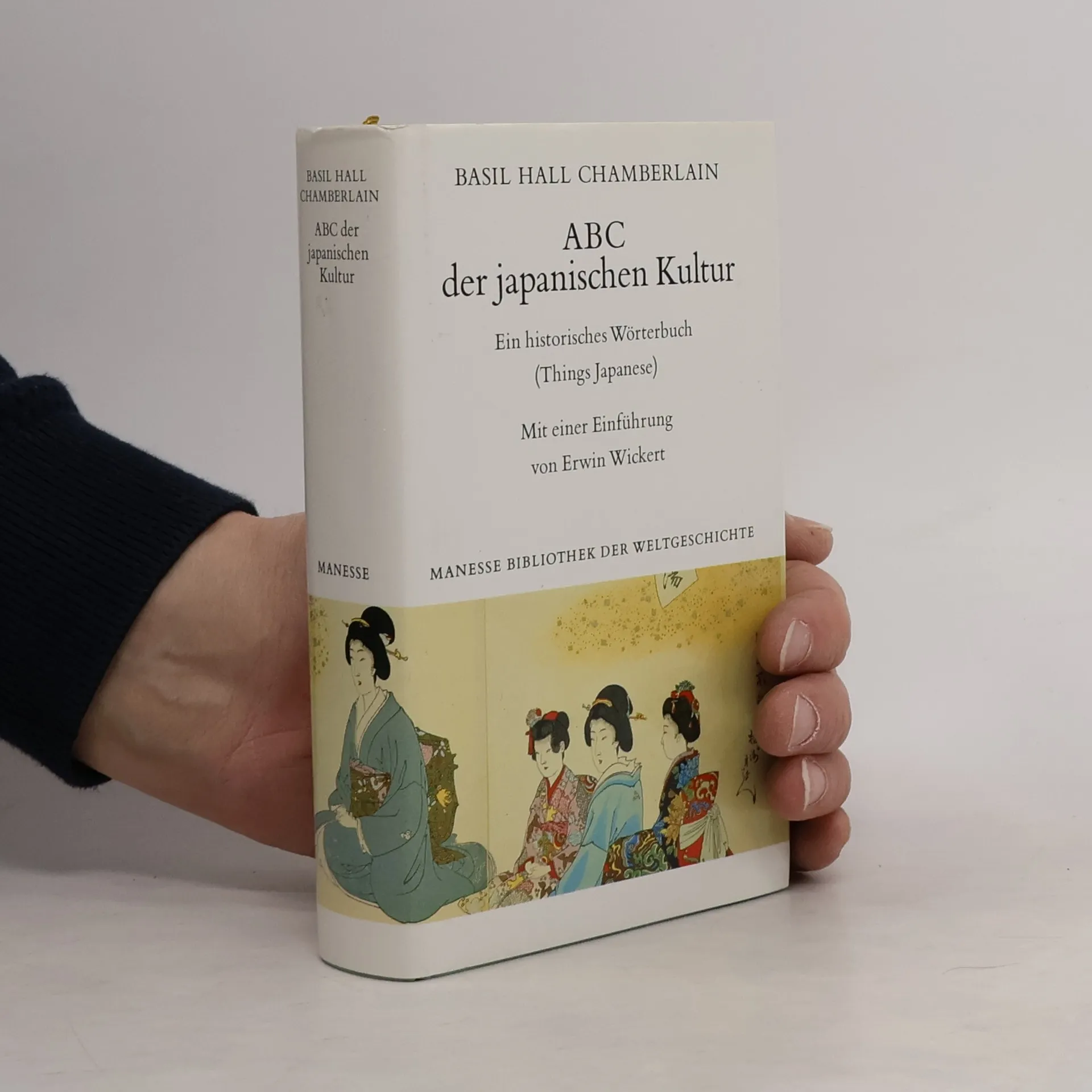
Manesse Bibliothek der Weltgeschichte: ABC der japanischen Kultur. Ein historisches Wörterbuch, Basil Hall Chamberlain, Erwin Wickert
- Język

- Rok wydania
- 1990
- Oprawa
- (twarda)
Metody płatności
Brakuje nam tutaj Twojej recenzji.
- Tytuł
- Manesse Bibliothek der Weltgeschichte: ABC der japanischen Kultur. Ein historisches Wörterbuch
- Język
- niemiecki
- Autorzy
- Basil Hall Chamberlain, Erwin Wickert
- Wydawca
- Manesse
- Rok wydania
- 1990
- Oprawa
- twarda
- Liczba stron
- 741
- ISBN10
- 3717581724
- ISBN13
- 9783717581727
- Seria
- Kategorie
- Ocena
- 5 z 5
- Opis
- One of the first westerners to write about Japan, Chamberlain lived there for over thirty five years, and was proficient in ancient and modern Japanese. Chamberlain's resided in Japan during a time of transition when, as he put it, old things passed away between a night and a morning. To record some things before they vanished, but also to show how old and new coexisted in Japan, he wrote this guide. Instead of places, like a travel guide, he writes about subjects, in alphabetical order beginning with abacus and ending with the zoology of Japan. In between he discusses, among other subjects, acupuncture, Japanese chess, music, fashionable crazes, foreign employees, tattooing, silk, the Japanese use of English, the navy, embroidery, and the traditional Japanese system of time.