


Parametry
- 656 stron
- 23 godziny czytania
Więcej o książce
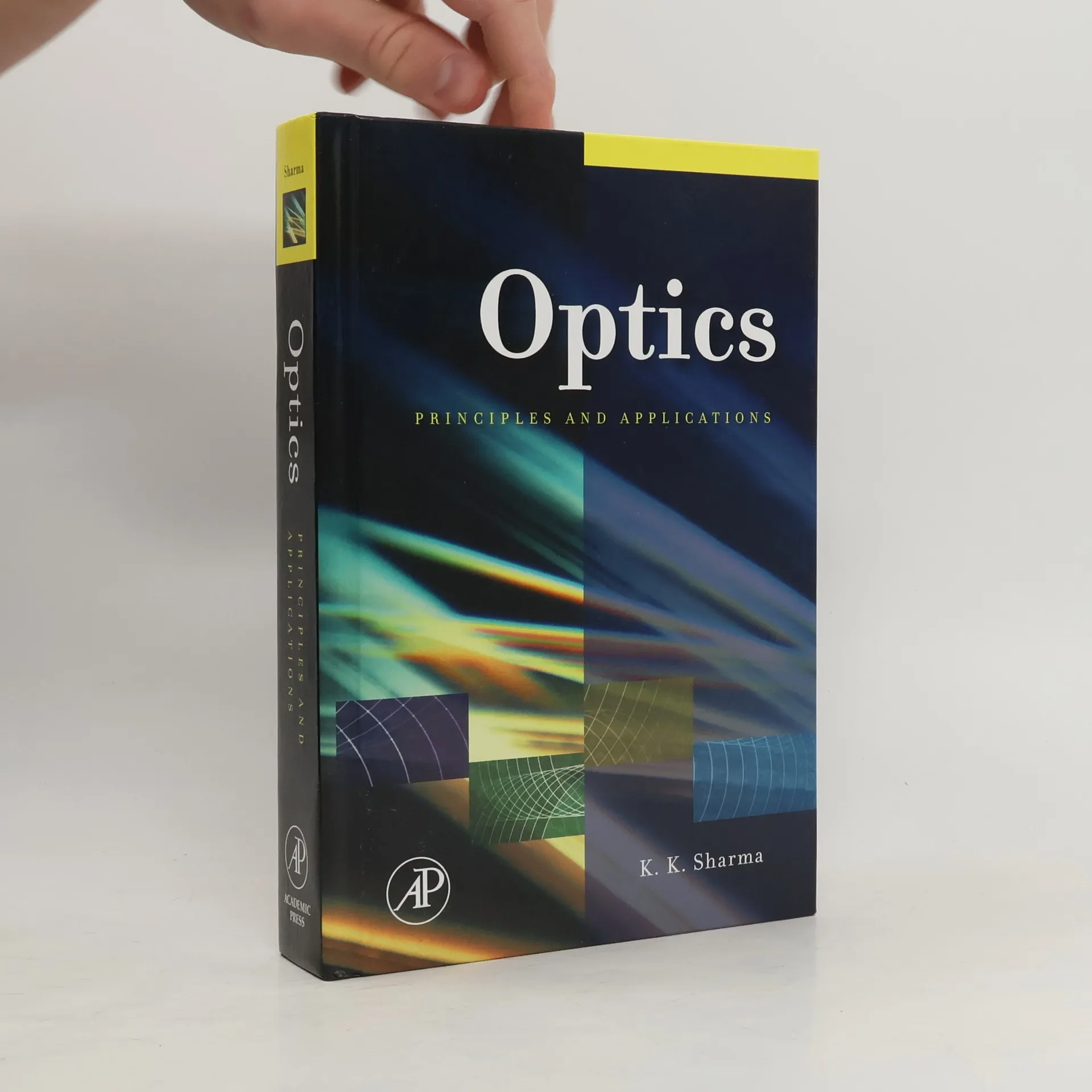
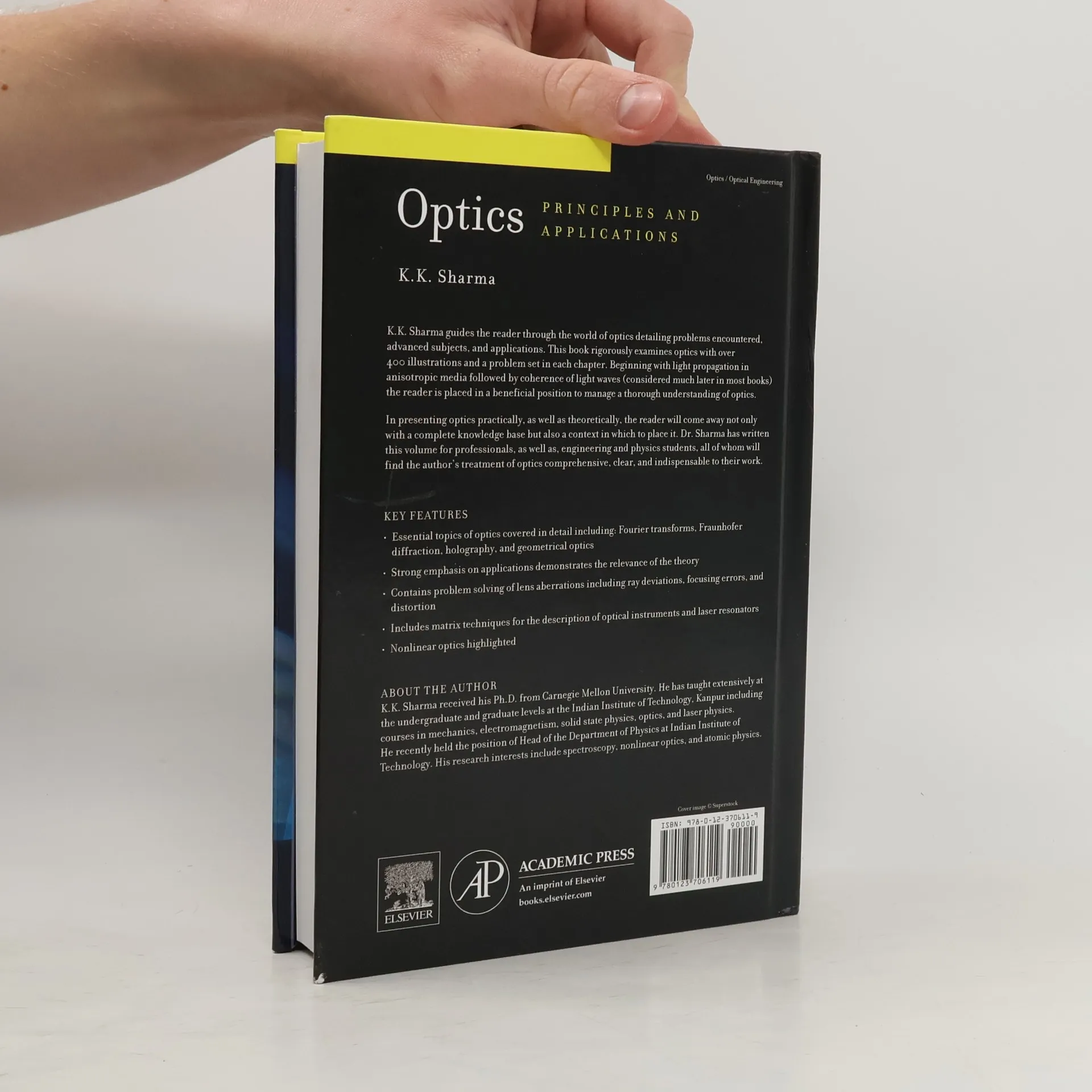
Optics clearly explains the principles of optics using excellent pedagogy to support student learning. Beginning with introductory ideas and equations, K.K. Sharma takes the reader through the world of optics by detailing problems encountered, advanced subjects, and actual applications. Elegantly written, this book rigorously examines optics with over 300 illustrations and several problems in each chapter. The book begins with light propagation in anisotropic media considered much later in most books. Nearly one third of the book deals with applications of optics. This simple idea of merging the sometimes overwhelming and dry subject of optics with real world applications will create better future engineers. It will make ‘optics’ jump off the page for readers and they will see it take shape in the world around them. In presenting optics practically, as well as theoretically, readers will come away not only with a complete knowledge base but a context in which to place it. This book is recommended for optical engineers, libraries, senior undergraduate students, graduate students, and professors.
Zakup książki
Optics, Kailash K. Sharma
- Język

- Rok wydania
- 2006
- Oprawa
- (twarda)
Metody płatności
Brakuje nam tutaj Twojej recenzji.
- Tytuł
- Optics
- Podtytuł
- Principles and Applications
- Język
- angielski
- Autorzy
- Kailash K. Sharma
- Wydawca
- Academic press
- Rok wydania
- 2006
- Oprawa
- twarda
- Liczba stron
- 656
- ISBN10
- 0123706114
- ISBN13
- 9780123706119
- Seria
- Kategorie
- Tagi
- Podręczniki, Nauki przyrodnicze, Podręczniki akademickie, Inne podręczniki, Podręczniki fizyki, Psychologia edukacyjna
- Ocena
- 4 z 5
- Opis
- Optics clearly explains the principles of optics using excellent pedagogy to support student learning. Beginning with introductory ideas and equations, K.K. Sharma takes the reader through the world of optics by detailing problems encountered, advanced subjects, and actual applications. Elegantly written, this book rigorously examines optics with over 300 illustrations and several problems in each chapter. The book begins with light propagation in anisotropic media considered much later in most books. Nearly one third of the book deals with applications of optics. This simple idea of merging the sometimes overwhelming and dry subject of optics with real world applications will create better future engineers. It will make ‘optics’ jump off the page for readers and they will see it take shape in the world around them. In presenting optics practically, as well as theoretically, readers will come away not only with a complete knowledge base but a context in which to place it. This book is recommended for optical engineers, libraries, senior undergraduate students, graduate students, and professors.