

Parametry
- 352 strony
- 13 godzin czytania
Więcej o książce
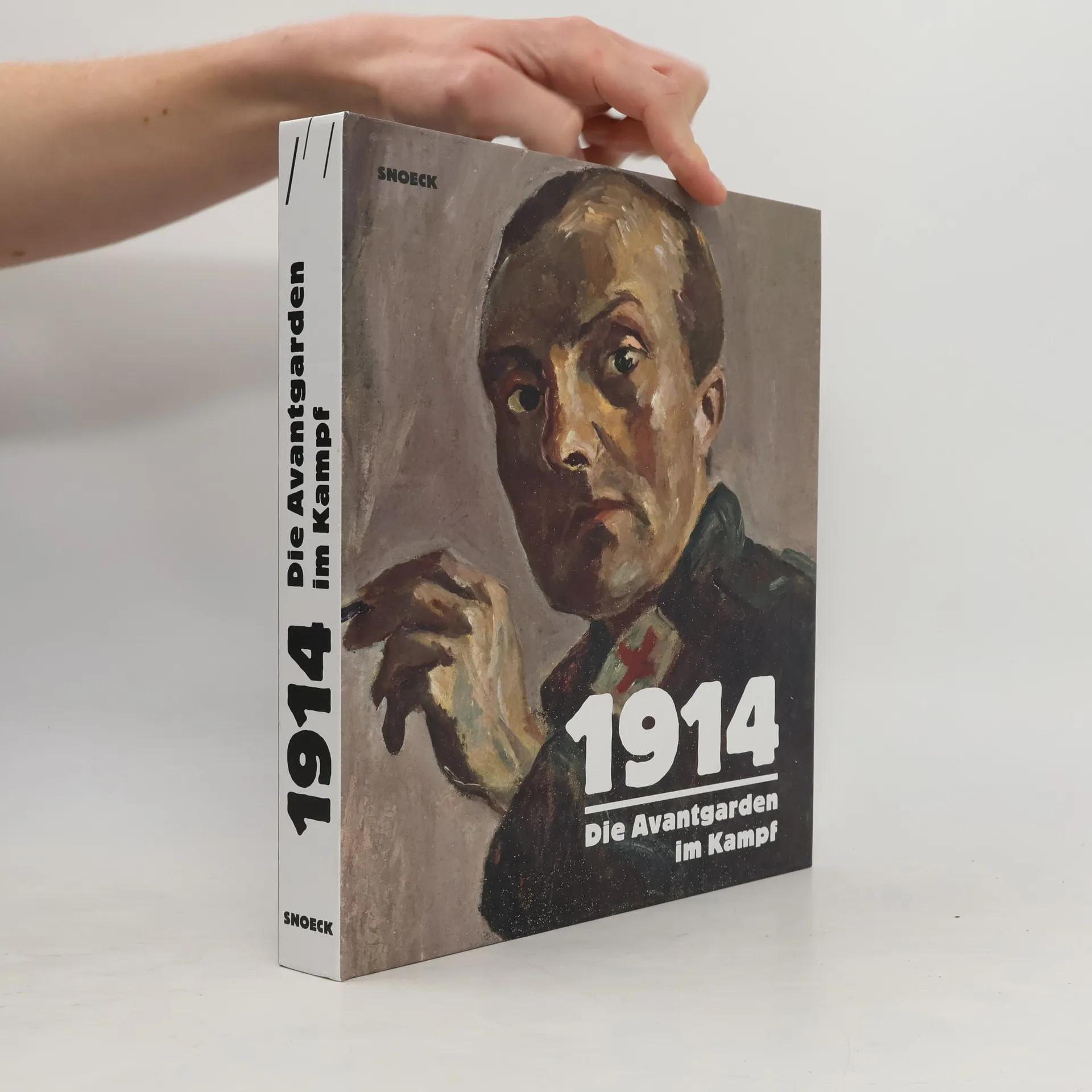
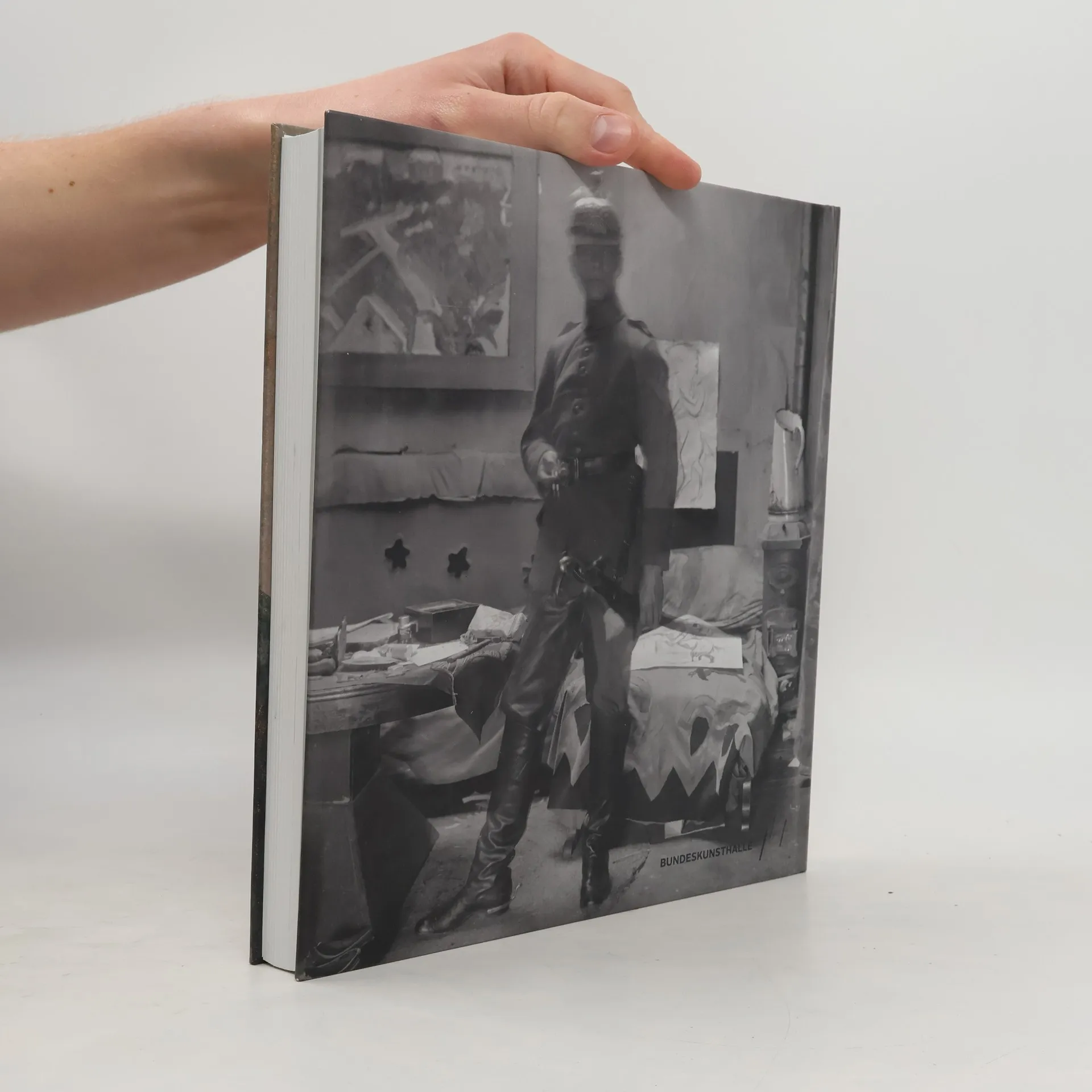
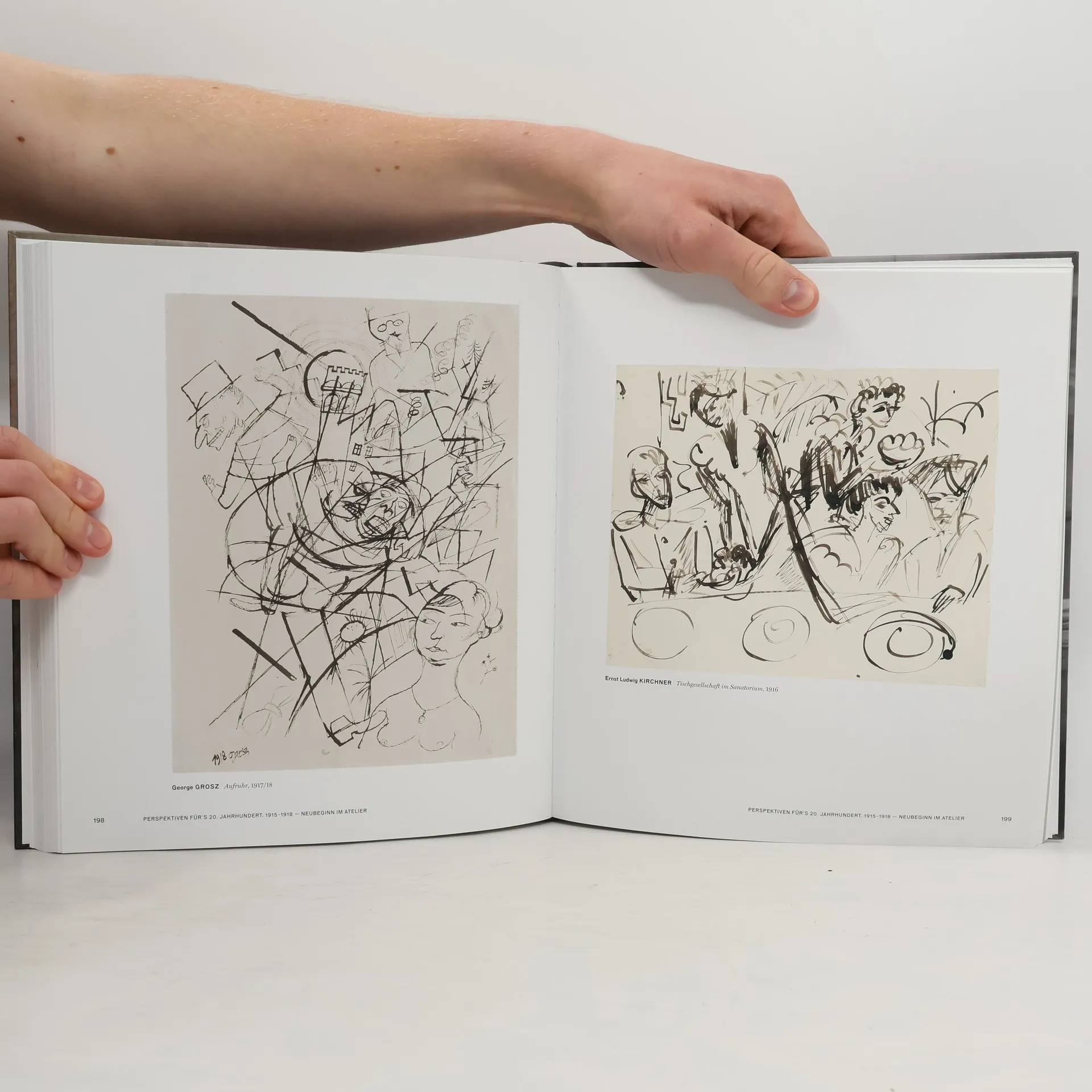
The First World War ranks as the seminal catastrophe of the twentieth century, a century which would reach its moral nadir in the Nazi’s political program of total war and extermination. Franz Marc, in keeping with countless statements by his contemporaries, summed up this spirit as “In our era of great struggle for new art, we do not fight as the organized, but as wild ones against an old, established power. The battle seems unequal, yet in spiritual matters, it is not the sheer number but the strength of ideas that prevails.” The exhibition in the Bundeskunsthalle in Bonn and the catalogue, go that decisive step further by examining the processes of transmission between the international art movements of the time. What are the historical preconditions for Expressionism, Cubism, Dadaism or other rival conceptions of art that competed with one another into the 1930s and how they relate to them?
Zakup książki
1914. Die Avantgarden im Kampf, Gertrud Held, Régine Bonnefoit, Uwe M. Schneede, Uwe Fleckner
- Język

- Rok wydania
- 2013
- Oprawa
- (twarda)
Metody płatności
Nikt jeszcze nie ocenił.
- Tytuł
- 1914. Die Avantgarden im Kampf
- Język
- niemiecki
- Wydawca
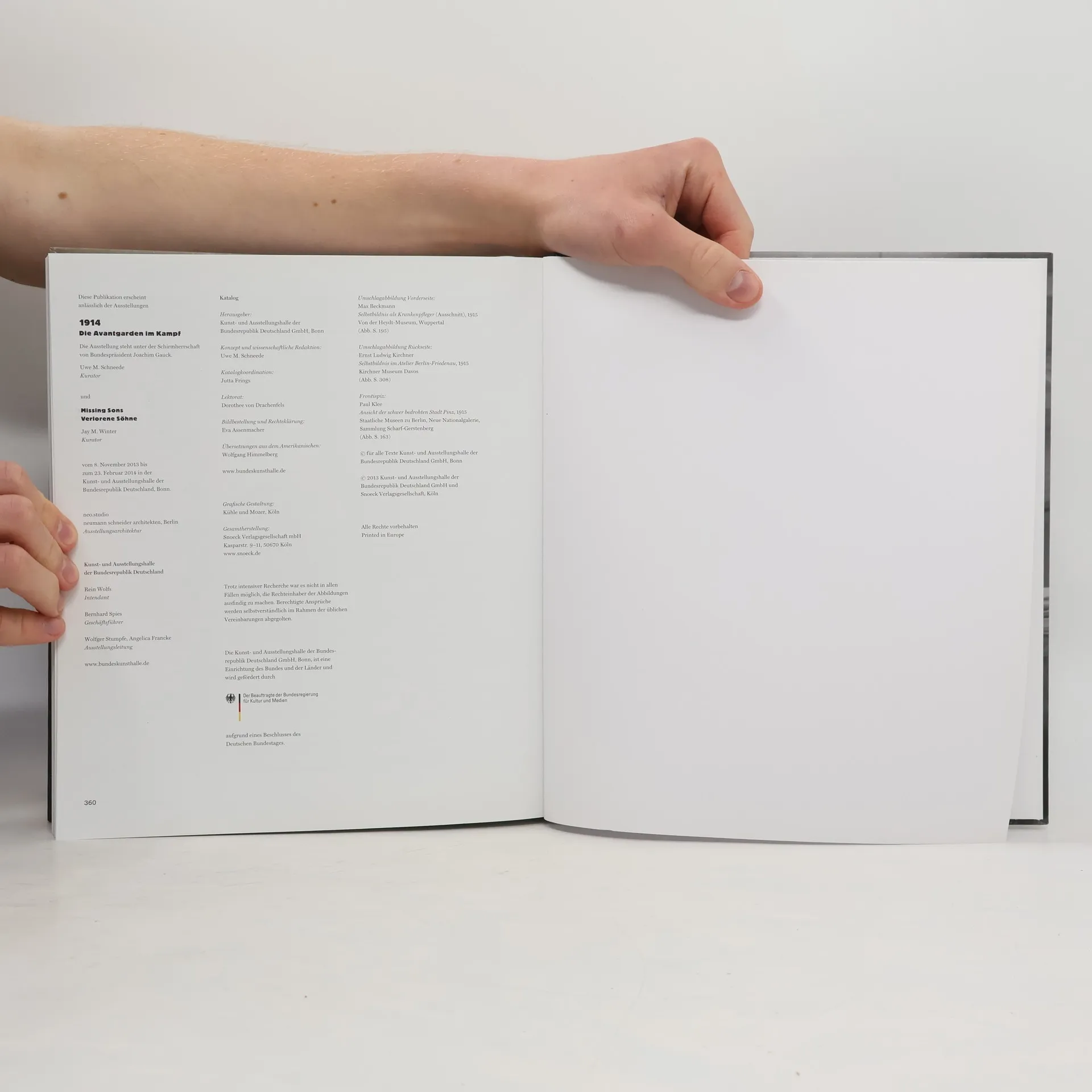
- Snoeck Publishing Company
- Rok wydania
- 2013
- Oprawa
- twarda
- Liczba stron
- 352
- Seria
- Opis
- The First World War ranks as the seminal catastrophe of the twentieth century, a century which would reach its moral nadir in the Nazi’s political program of total war and extermination. Franz Marc, in keeping with countless statements by his contemporaries, summed up this spirit as “In our era of great struggle for new art, we do not fight as the organized, but as wild ones against an old, established power. The battle seems unequal, yet in spiritual matters, it is not the sheer number but the strength of ideas that prevails.” The exhibition in the Bundeskunsthalle in Bonn and the catalogue, go that decisive step further by examining the processes of transmission between the international art movements of the time. What are the historical preconditions for Expressionism, Cubism, Dadaism or other rival conceptions of art that competed with one another into the 1930s and how they relate to them?