

Parametry
- 220 stron
- 8 godzin czytania
Więcej o książce
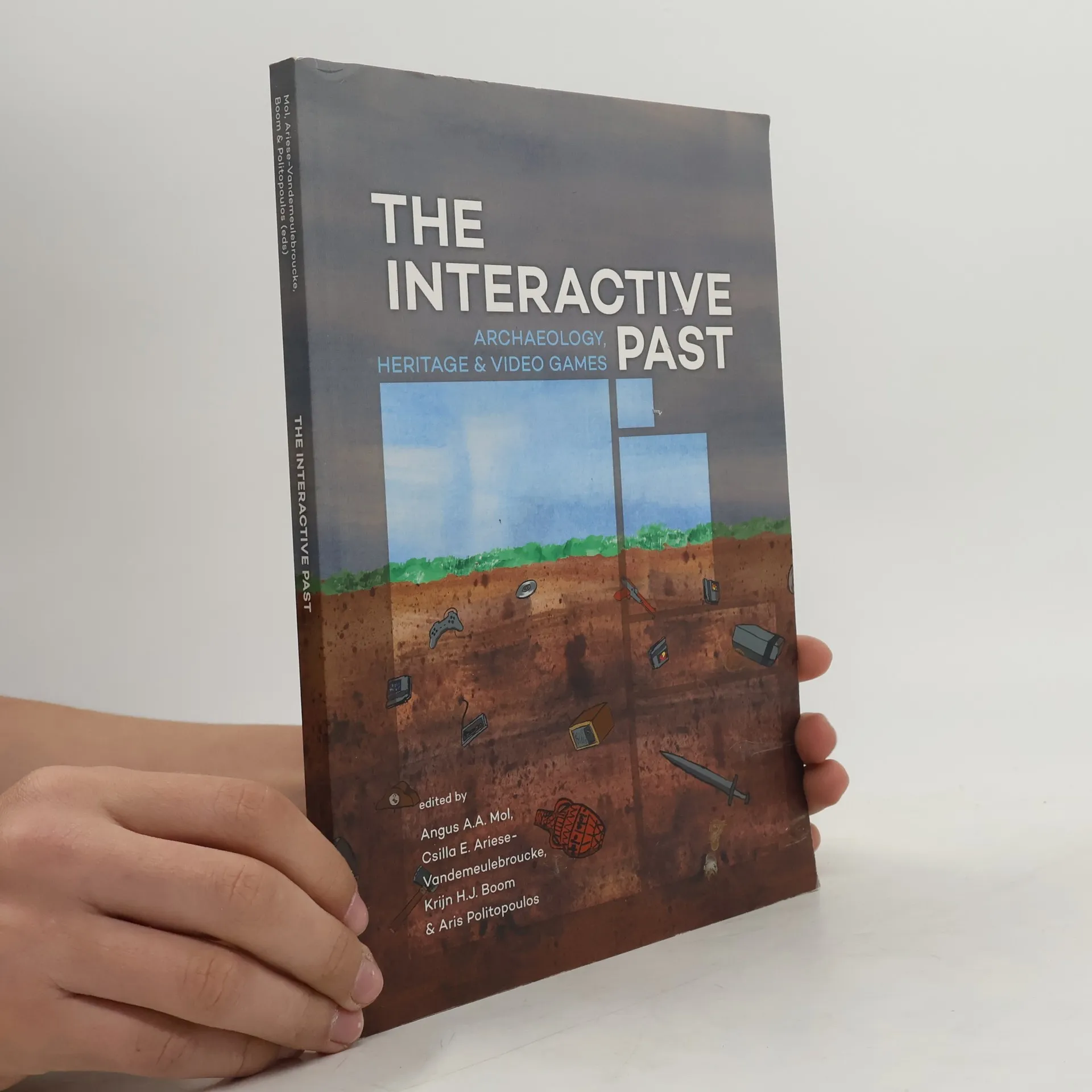
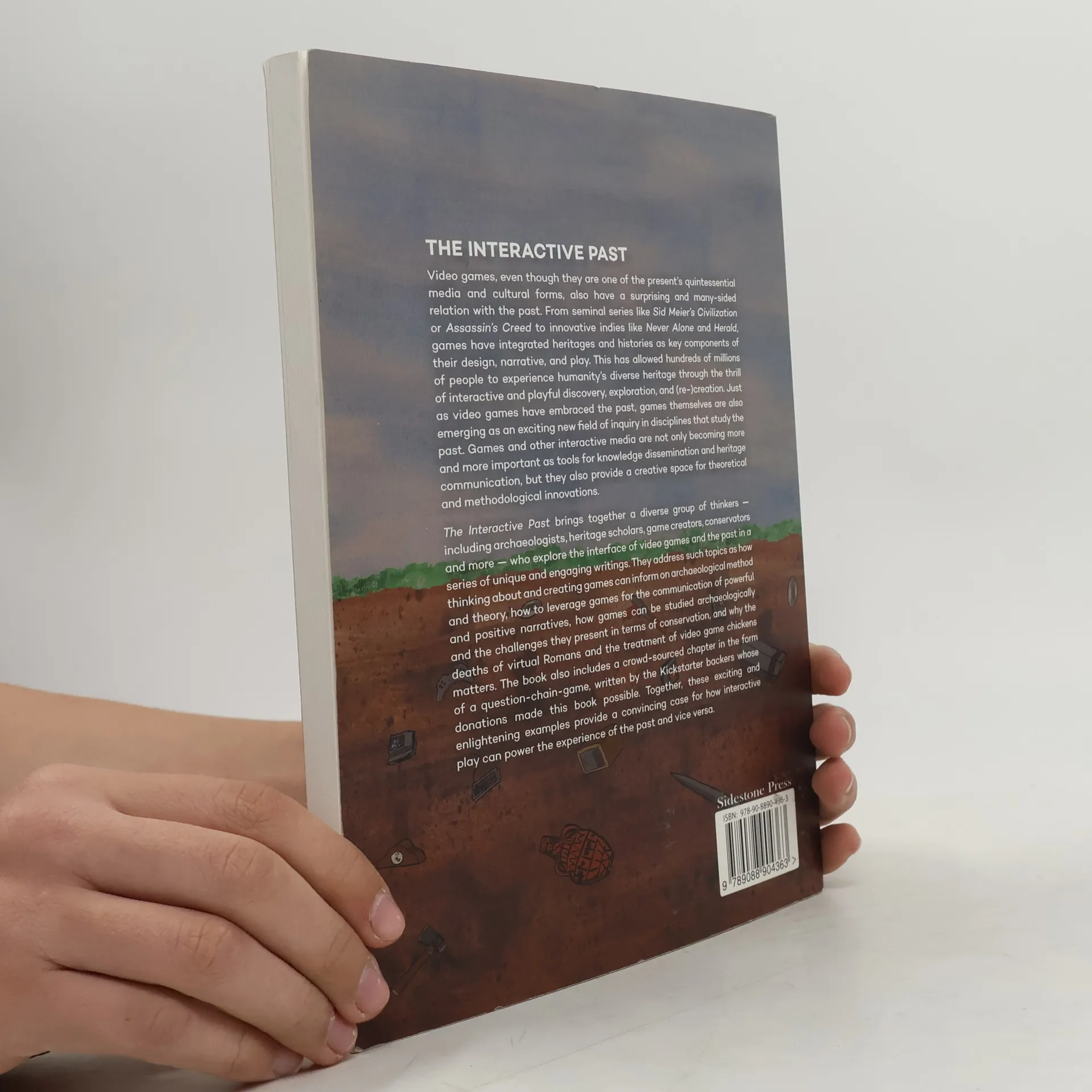
Video games, a prominent cultural form today, have a complex relationship with history. Titles like Sid Meier’s Civilization and Assassin’s Creed, alongside indie games such as Never Alone, weave heritage and historical narratives into their design and gameplay. This integration allows millions to engage with humanity’s diverse past through interactive exploration and recreation. As video games embrace historical themes, they also emerge as a valuable field of study for disciplines focused on the past. They serve as innovative tools for knowledge dissemination and heritage communication, fostering theoretical and methodological advancements. The book features a range of contributors, including archaeologists, heritage scholars, and game developers, who examine the intersection of video games and history through unique writings. Topics include how game design can inform archaeological methods, leveraging games for impactful storytelling, and the archaeological study of games, including conservation challenges. The text also highlights a crowd-sourced chapter from Kickstarter backers, showcasing the community's involvement in its creation. These diverse examples illustrate how interactive play enriches our understanding of the past, making a compelling case for the reciprocal relationship between gaming and heritage.
Zakup książki
The Interactive Past, Angus Arie Andries Mol, Csilla E. Ariese-Vandemeulebroucke, Krijn H. J. Boom, Aris Politopoulos
- Język

- Rok wydania
- 2017
- Oprawa
- (miękka)
Metody płatności
Nikt jeszcze nie ocenił.
- Tytuł
- The Interactive Past
- Podtytuł
- Archaeology, Heritage, and Video Games
- Język
- angielski
- Autorzy
- Angus Arie Andries Mol, Csilla E. Ariese-Vandemeulebroucke, Krijn H. J. Boom, Aris Politopoulos
- Wydawca
- Sidestone Press
- Rok wydania
- 2017
- Oprawa
- miękka
- Liczba stron
- 220
- ISBN10
- 9088904367
- ISBN13
- 9789088904363
- Seria
- Kategorie
- Opis
- Video games, a prominent cultural form today, have a complex relationship with history. Titles like Sid Meier’s Civilization and Assassin’s Creed, alongside indie games such as Never Alone, weave heritage and historical narratives into their design and gameplay. This integration allows millions to engage with humanity’s diverse past through interactive exploration and recreation. As video games embrace historical themes, they also emerge as a valuable field of study for disciplines focused on the past. They serve as innovative tools for knowledge dissemination and heritage communication, fostering theoretical and methodological advancements. The book features a range of contributors, including archaeologists, heritage scholars, and game developers, who examine the intersection of video games and history through unique writings. Topics include how game design can inform archaeological methods, leveraging games for impactful storytelling, and the archaeological study of games, including conservation challenges. The text also highlights a crowd-sourced chapter from Kickstarter backers, showcasing the community's involvement in its creation. These diverse examples illustrate how interactive play enriches our understanding of the past, making a compelling case for the reciprocal relationship between gaming and heritage.