



Ocena książki
Więcej o książce
Technology is transforming real estate design, operation, and valuation, democratizing access to capital and information while altering tenant space usage and diminishing regulatory power. Significant funding is flowing into innovative real estate technologies and operating models, shifting value from assets to those who can identify end-user needs and leverage technology for on-demand solutions. This evolution necessitates a resource that encourages industry professionals to rethink their investments, customers, and competition. The book addresses this need by analyzing technology's effects across various asset types, including retail, lodging, residential, office, and industrial properties. Drawing on the author’s two decades of global experience with top real estate investors and numerous discussions with start-up founders and venture capitalists, it offers vital insights, methodologies, and practical strategies. Readers will learn to identify risks, seize emerging opportunities, assess new competitors, and transform their organizations or careers. This resource is invaluable for investors, developers, operators, brokers, lenders, facility managers, designers, planners, and technology entrepreneurs, guiding them through the exciting changes ahead in the real estate landscape.
Zakup książki
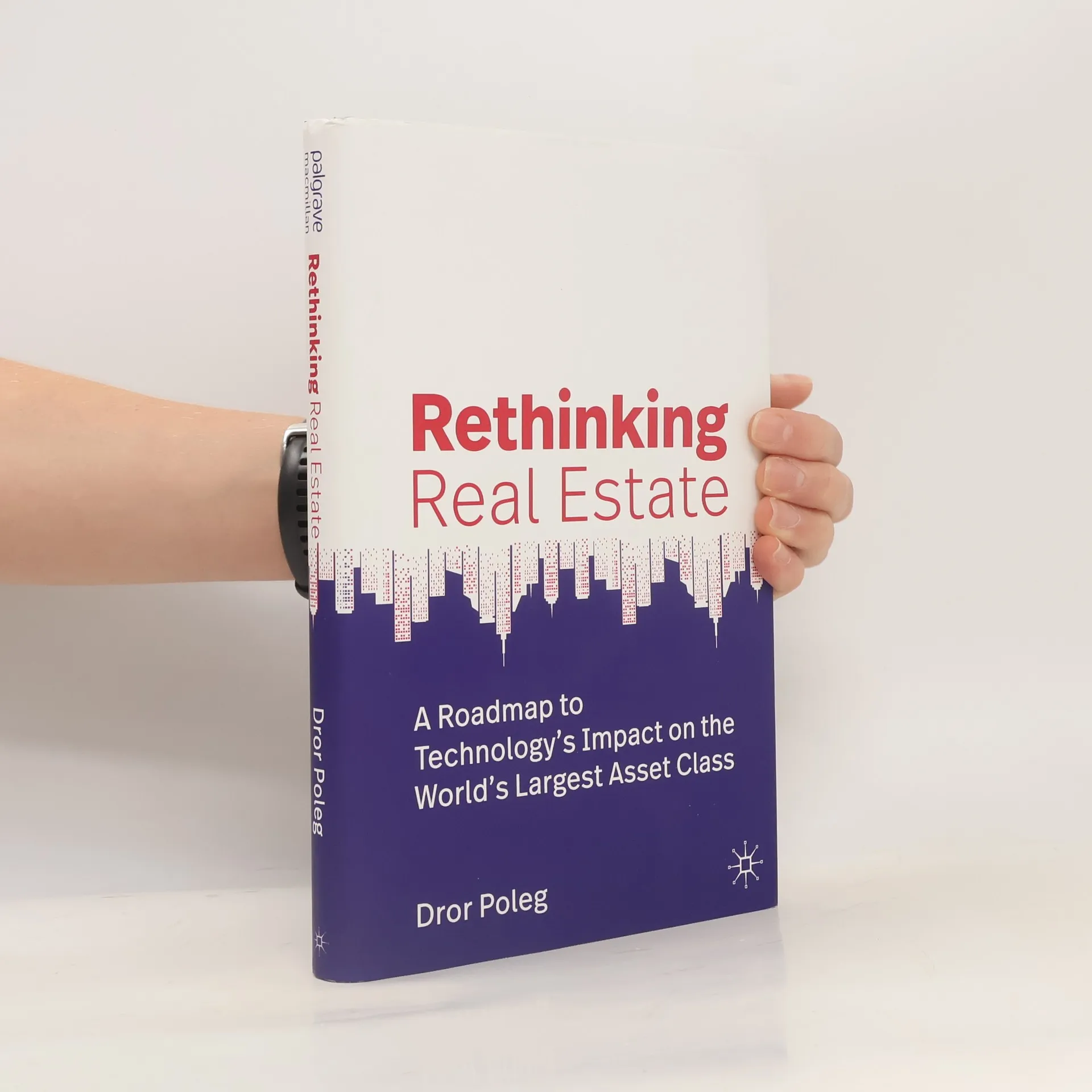
Rethinking Real Estate, Dror Poleg
- Język

- Rok wydania
- 2019
- Oprawa
- (twarda)
Metody płatności
Brakuje nam tutaj Twojej recenzji.
- Tytuł
- Rethinking Real Estate
- Podtytuł
- A Roadmap to Technology’s Impact on the World’s Largest Asset Class
- Język
- angielski
- Autorzy
- Dror Poleg
- Rok wydania
- 2019
- Oprawa
- twarda
- Liczba stron
- 306
- ISBN10
- 3030134458
- ISBN13
- 9783030134457
- Seria
- Tagi
- Biznes
- Ocena
- 4,1 z 5
- Opis
- Technology is transforming real estate design, operation, and valuation, democratizing access to capital and information while altering tenant space usage and diminishing regulatory power. Significant funding is flowing into innovative real estate technologies and operating models, shifting value from assets to those who can identify end-user needs and leverage technology for on-demand solutions. This evolution necessitates a resource that encourages industry professionals to rethink their investments, customers, and competition. The book addresses this need by analyzing technology's effects across various asset types, including retail, lodging, residential, office, and industrial properties. Drawing on the author’s two decades of global experience with top real estate investors and numerous discussions with start-up founders and venture capitalists, it offers vital insights, methodologies, and practical strategies. Readers will learn to identify risks, seize emerging opportunities, assess new competitors, and transform their organizations or careers. This resource is invaluable for investors, developers, operators, brokers, lenders, facility managers, designers, planners, and technology entrepreneurs, guiding them through the exciting changes ahead in the real estate landscape.