


Więcej o książce
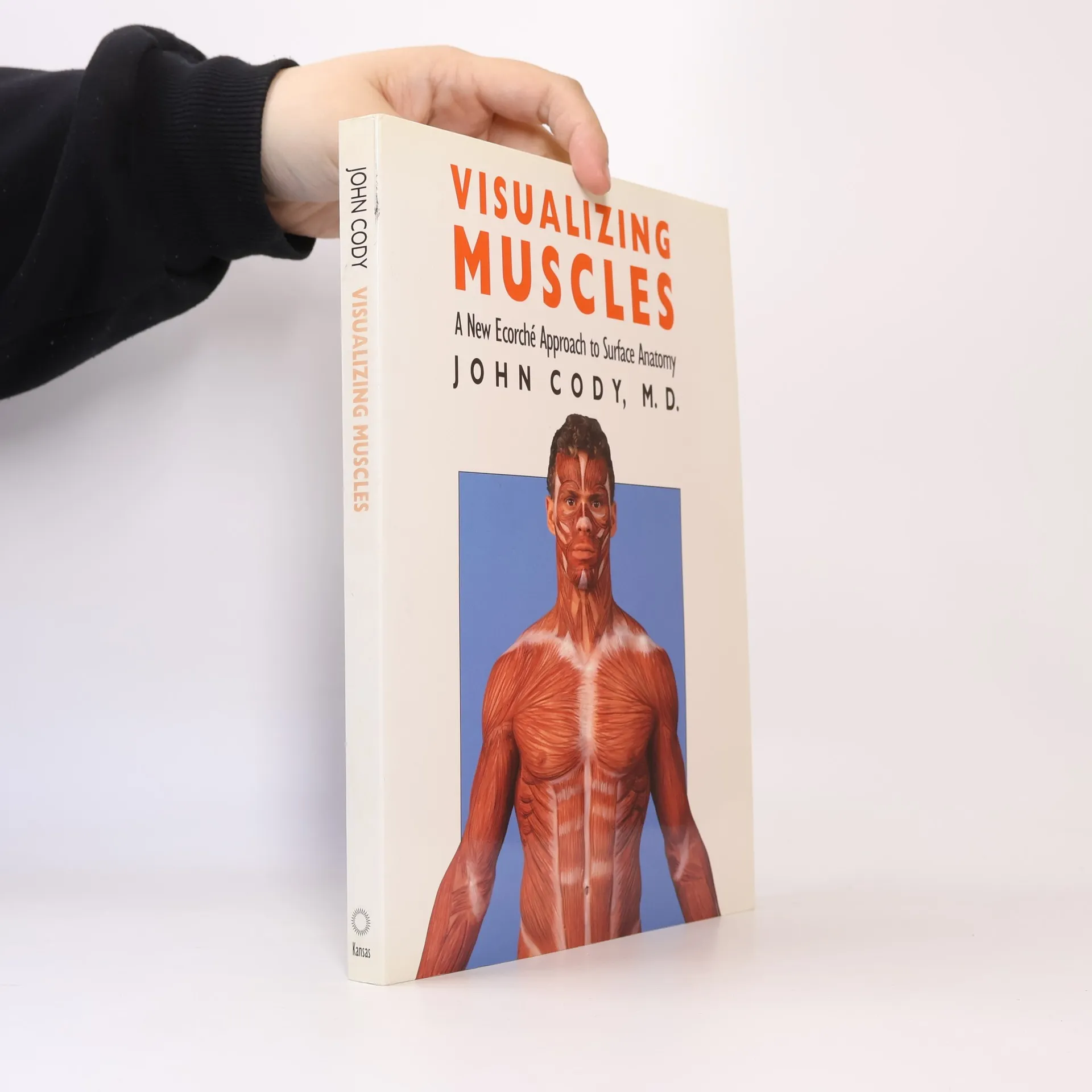
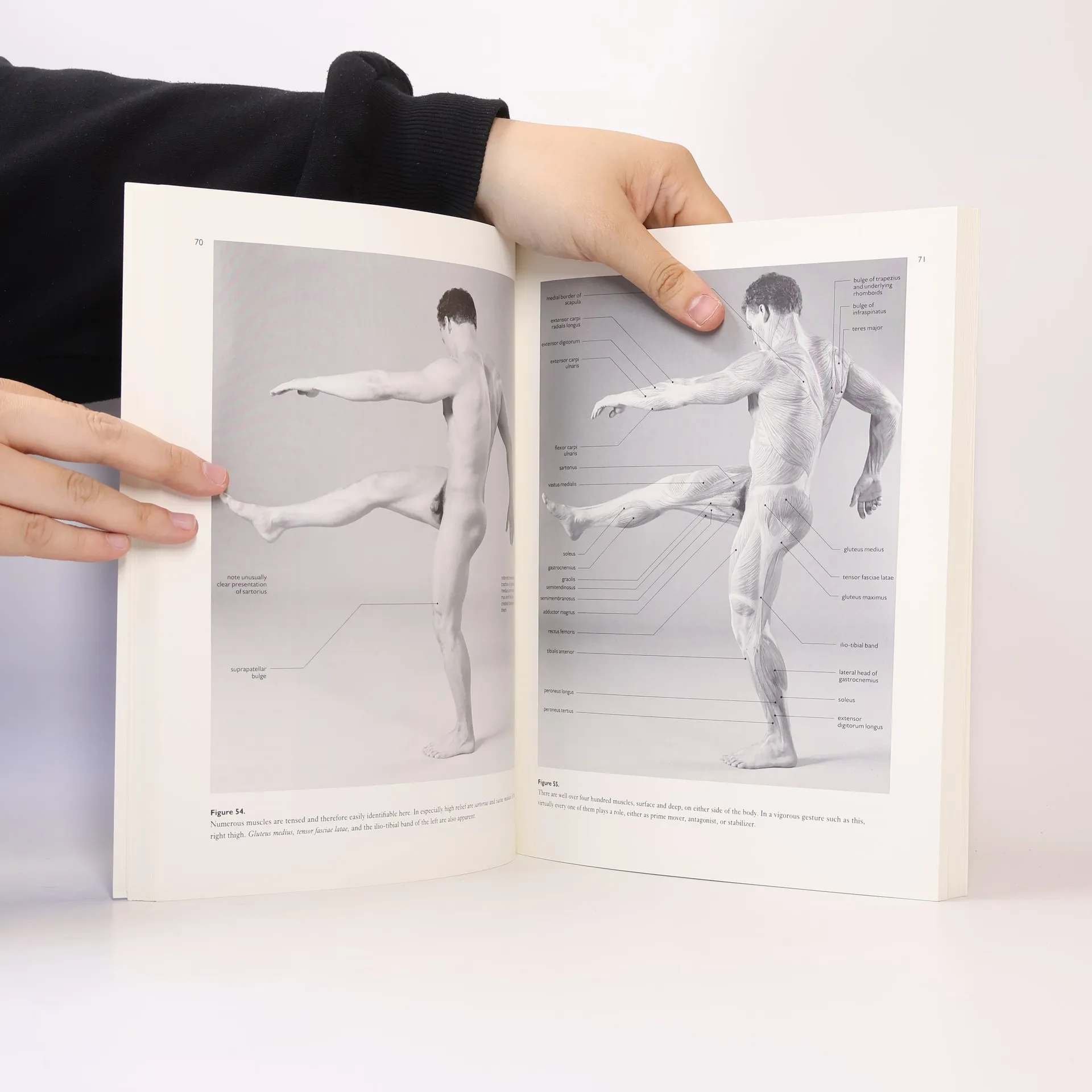
As the human body moves, muscles contract and relax, creating subtle changes in body contours and shifting patterns of light and shadow on the skin's surface. Visualizing exactly what happens beneath the skin to cause these changes on the surface is an essential skill for artists, physicians, physical therapists, and body builders-for anyone who needs to understand the body in motion.But how do you teach this skill?Why not paint a live model to look as though his skin had been stripped off and then photograph him in multiple poses? From that idea comes Visualizing Muscles , an innovative aid to drawing, sculpting, and learning surface anatomy.More than one hundred static and active poses are included in Visualizing Muscles . Paired photographs—one painted and labelled, one not—show how the simulated muscles produce the subtle lights and darks, hills and valleys, on the model's unpainted skin. Captions highlight the muscles called into play by a given pose.Dr. Cody, who experimented with techniques for two years, pioneers the use of a model on whose skin muscles, tendons, and fascial sheaths are painted with scientific accuracy. Because of the elasticity of the skin and paint, the painted musculature expands and contracts along with the underlying muscles. Thus Cody's technique enables students of anatomy to visualize the muscles beneath the skin and the changes brought about by movement.
Zakup książki
Visualizing Muscles, John Cody
- Język

- Rok wydania
- 1990
- Oprawa
- (miękka)
Metody płatności
Brakuje nam tutaj Twojej recenzji.
- Tytuł
- Visualizing Muscles
- Podtytuł
- A New Ecorché Approach to Surface Anatomy
- Język
- angielski
- Autorzy
- John Cody
- Wydawca
- University Press of Kansas
- Rok wydania
- 1990
- Oprawa
- miękka
- Liczba stron
- 256
- ISBN10
- 070060426X
- ISBN13
- 9780700604265
- Seria
- Ocena
- 4,45 z 5
- Opis
- As the human body moves, muscles contract and relax, creating subtle changes in body contours and shifting patterns of light and shadow on the skin's surface. Visualizing exactly what happens beneath the skin to cause these changes on the surface is an essential skill for artists, physicians, physical therapists, and body builders-for anyone who needs to understand the body in motion.But how do you teach this skill?Why not paint a live model to look as though his skin had been stripped off and then photograph him in multiple poses? From that idea comes Visualizing Muscles , an innovative aid to drawing, sculpting, and learning surface anatomy.More than one hundred static and active poses are included in Visualizing Muscles . Paired photographs—one painted and labelled, one not—show how the simulated muscles produce the subtle lights and darks, hills and valleys, on the model's unpainted skin. Captions highlight the muscles called into play by a given pose.Dr. Cody, who experimented with techniques for two years, pioneers the use of a model on whose skin muscles, tendons, and fascial sheaths are painted with scientific accuracy. Because of the elasticity of the skin and paint, the painted musculature expands and contracts along with the underlying muscles. Thus Cody's technique enables students of anatomy to visualize the muscles beneath the skin and the changes brought about by movement.