

Więcej o książce
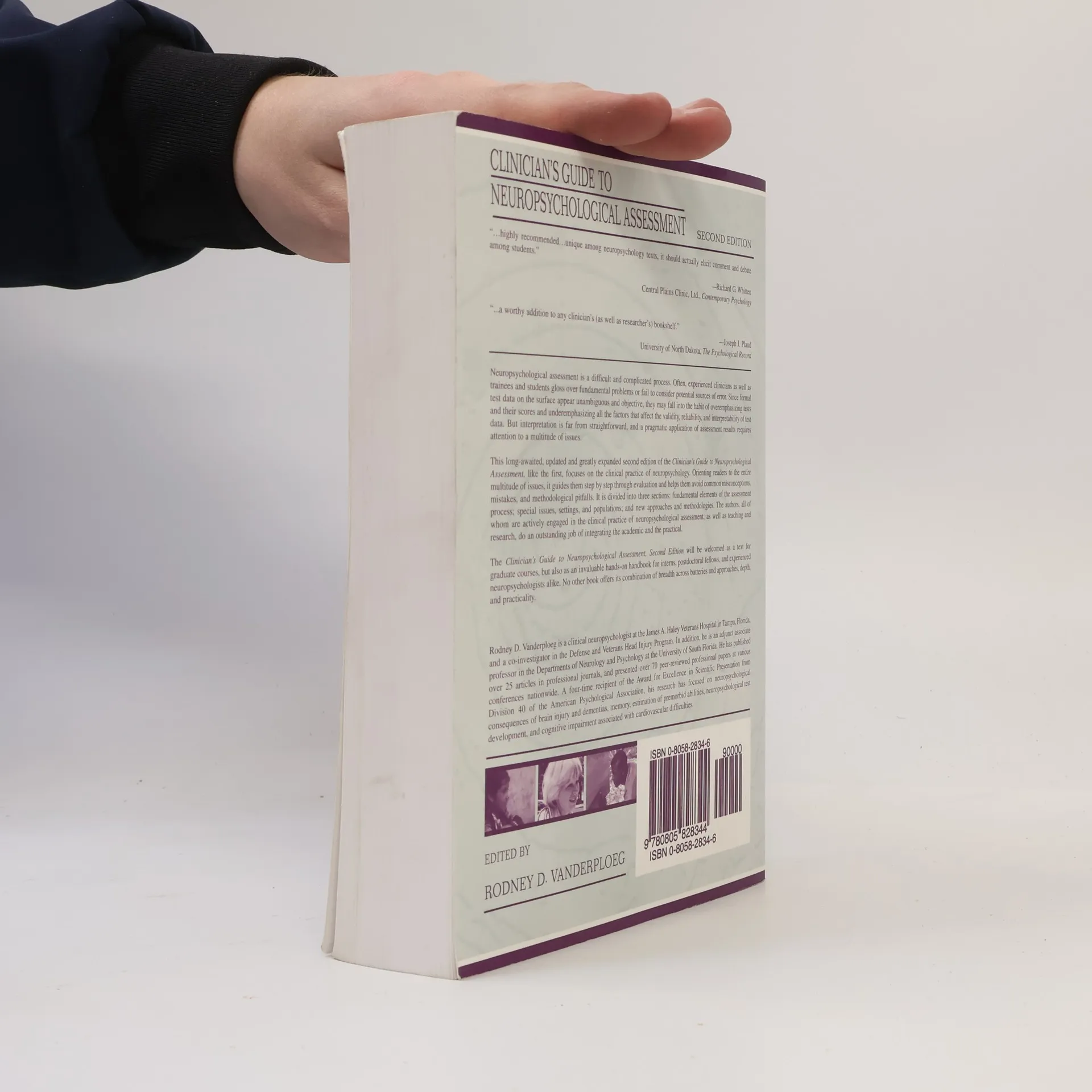
Neuropsychological assessment is a complex process that can lead clinicians, trainees, and students to overlook fundamental issues or potential sources of error. The apparent objectivity of formal test data may lead to an overemphasis on scores while neglecting the various factors influencing the validity, reliability, and interpretability of these results. Interpretation is nuanced, requiring attention to numerous issues for effective application of assessment outcomes. This updated and expanded second edition of a comprehensive guide focuses on the clinical practice of neuropsychology. It systematically addresses the multitude of issues involved in evaluations, helping readers avoid common misconceptions and methodological pitfalls. The book is organized into three key components: the assessment process, special issues and settings, and new methodologies. The authors, who are actively involved in clinical practice, teaching, and research, effectively bridge the gap between academic knowledge and practical application. This guide serves as a valuable resource for graduate courses and as a practical handbook for interns, postdoctoral fellows, and seasoned neuropsychologists. It stands out for its extensive coverage of assessment batteries and methodologies, offering both depth and practicality in the field.
Zakup książki
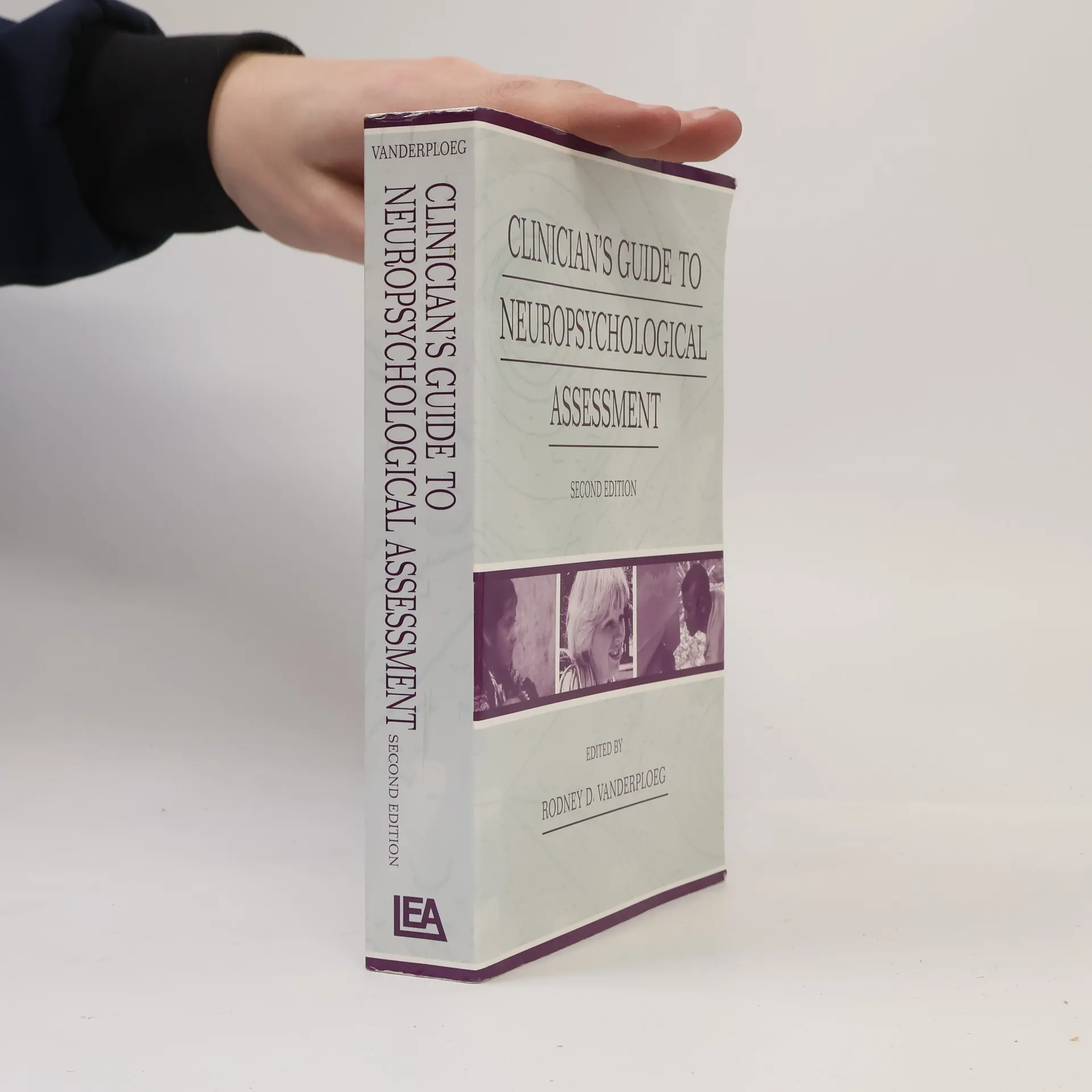
Clinician's Guide to Neuropsychological Assessment, Rodney D. Vanderploeg
- Język

- Rok wydania
- 1999
- Oprawa
- (miękka)
Metody płatności
Brakuje nam tutaj Twojej recenzji.
- Tytuł
- Clinician's Guide to Neuropsychological Assessment
- Podtytuł
- Second Edition
- Język
- angielski
- Autorzy
- Rodney D. Vanderploeg
- Wydawca
- Psychology Press
- Rok wydania
- 1999
- Oprawa
- miękka
- Liczba stron
- 551
- ISBN10
- 0805828346
- ISBN13
- 9780805828344
- Seria
- Tagi
- Podręczniki, Zdrowie & Medycyna, Tematyka psychologiczna, Studia medyczne, Psychologia kliniczna
- Ocena
- 4,3 z 5
- Opis
- Neuropsychological assessment is a complex process that can lead clinicians, trainees, and students to overlook fundamental issues or potential sources of error. The apparent objectivity of formal test data may lead to an overemphasis on scores while neglecting the various factors influencing the validity, reliability, and interpretability of these results. Interpretation is nuanced, requiring attention to numerous issues for effective application of assessment outcomes. This updated and expanded second edition of a comprehensive guide focuses on the clinical practice of neuropsychology. It systematically addresses the multitude of issues involved in evaluations, helping readers avoid common misconceptions and methodological pitfalls. The book is organized into three key components: the assessment process, special issues and settings, and new methodologies. The authors, who are actively involved in clinical practice, teaching, and research, effectively bridge the gap between academic knowledge and practical application. This guide serves as a valuable resource for graduate courses and as a practical handbook for interns, postdoctoral fellows, and seasoned neuropsychologists. It stands out for its extensive coverage of assessment batteries and methodologies, offering both depth and practicality in the field.