

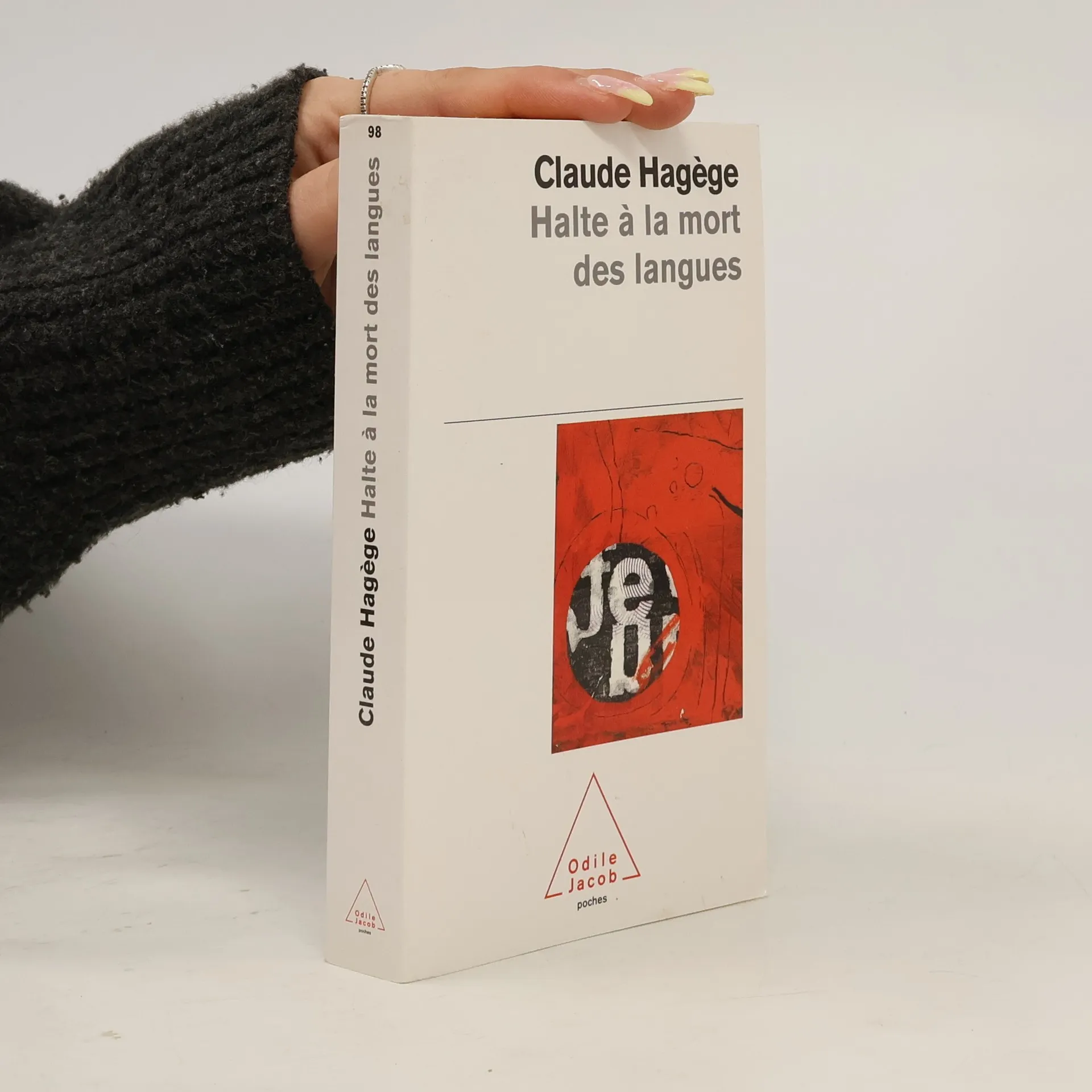
Więcej o książce
Twenty-five languages die each year; at this pace, half the world’s five thousand languages will disappear within the next century. In this timely book, Claude Hagège seeks to make clear the magnitude of the cultural loss represented by the crisis of language death. By focusing on the relationship of language to culture and the world of ideas, Hagège shows how languages are themselves crucial repositories of culture; the traditions, proverbs, and knowledge of our ancestors reside in the language we use. His wide-ranging examination covers all continents and language families to uncover not only how languages die, but also how they can be revitalized—for example in the remarkable case of Hebrew. In a striking metaphor, Hagège likens languages to bonfires of social behavior that leave behind sparks even after they die; from these sparks languages can be rekindled and made to live again.
Zakup książki
poches - 98: Halte à la mort des langues, Claude Hagene
- Język

- Rok wydania
- 2002
- Oprawa
- (miękka)
Metody płatności
Nikt jeszcze nie ocenił.
- Tytuł
- poches - 98: Halte à la mort des langues
- Język
- francuski
- Autorzy
- Claude Hagene
- Wydawca
- Odile Jacob
- Rok wydania
- 2002
- Oprawa
- miękka
- Liczba stron
- 381
- ISBN10
- 2738111823
- ISBN13
- 9782738111821
- Seria
- Kategorie
- Tagi
- Francja, Lingwistyka
- Opis
- Twenty-five languages die each year; at this pace, half the world’s five thousand languages will disappear within the next century. In this timely book, Claude Hagège seeks to make clear the magnitude of the cultural loss represented by the crisis of language death. By focusing on the relationship of language to culture and the world of ideas, Hagège shows how languages are themselves crucial repositories of culture; the traditions, proverbs, and knowledge of our ancestors reside in the language we use. His wide-ranging examination covers all continents and language families to uncover not only how languages die, but also how they can be revitalized—for example in the remarkable case of Hebrew. In a striking metaphor, Hagège likens languages to bonfires of social behavior that leave behind sparks even after they die; from these sparks languages can be rekindled and made to live again.