

Parametry
- 254 strony
- 9 godzin czytania
Więcej o książce
Discover how enzymes can enhance safety in textile processing. This book delves into recent trends and techniques in finishing and processing natural fibers, showcasing research from leading experts in textile biotechnology, bio-treatment, and wastewater management. It emphasizes environmentally friendly production technologies utilizing enzymatic processes that conserve chemicals and energy while improving product quality. The text serves as a comprehensive guide for scientists, researchers, consultants, and academics involved in research and development within agriculture and textile universities. Key topics include developing quality standards for assessing flax fiber through various techniques, evaluating enzyme activities on textile fibers, and understanding the structure-function relationships of these fibers. Specific areas of focus include enzyme-retted flax, enzymatic scouring for enhanced textile properties, bioscouring and bleaching of cotton fibers, and the design of wood fiber morphology. The book also covers laccase-catalyzed transformations, integrated enzymatic pre-treatment of cotton, production of cellulase-free pectinases, and the effects of ultrasound on industrial enzymes used in cotton bio-preparation. This essential resource is valuable for R&D professionals, textile engineers, and students, providing insights into enzymology, biotechnology, and environmental protection in textile processing.
Zakup książki
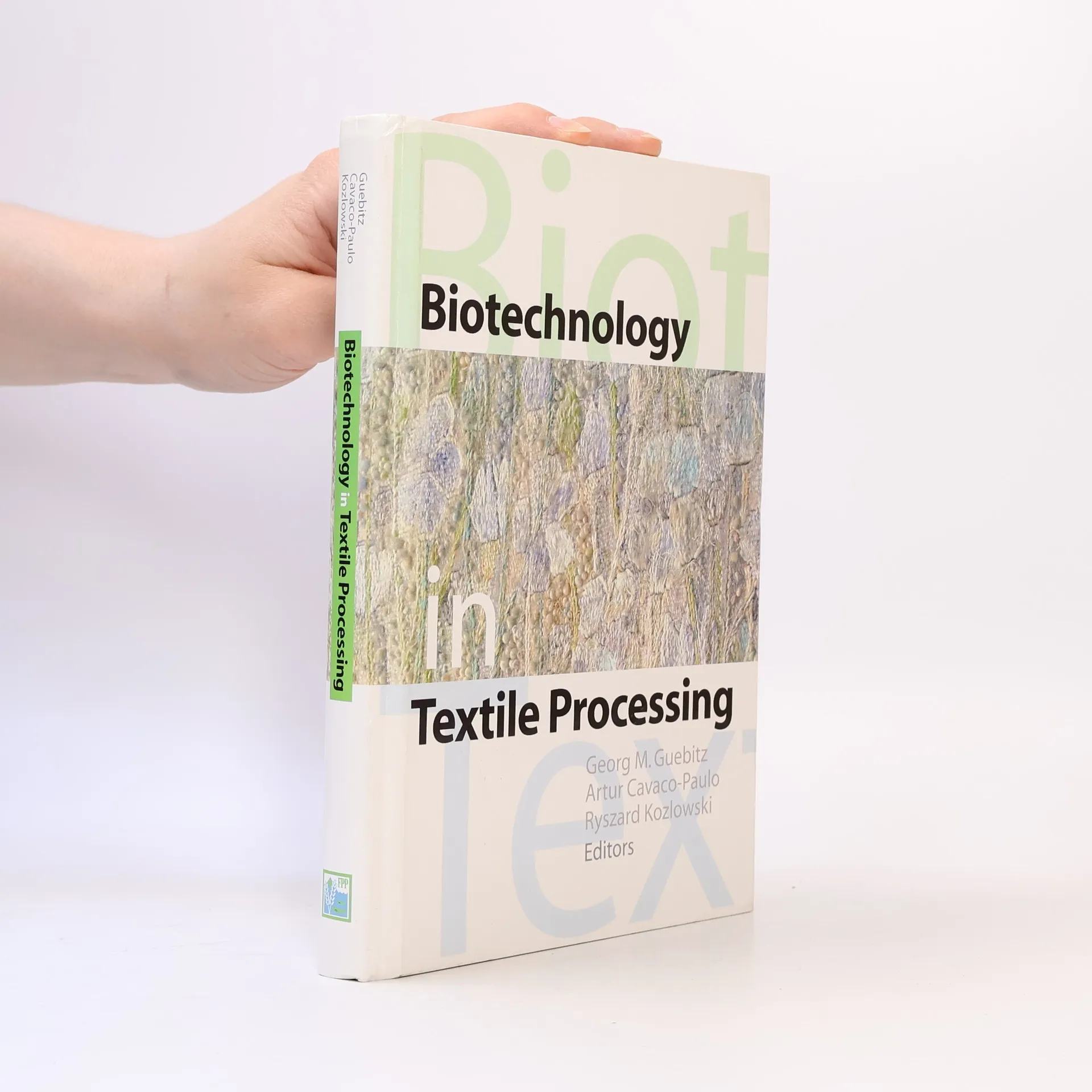
Biotechnology in Textile Processing, Kozłowski Ryszard, Artur Cavaco-Paulo, Georg M. Guebitz
- Język

- Rok wydania
- 2006
- Oprawa
- (twarda)
Metody płatności
Nikt jeszcze nie ocenił.
- Tytuł
- Biotechnology in Textile Processing
- Język
- angielski
- Wydawca
- CRC Press
- Rok wydania
- 2006
- Oprawa
- twarda
- Liczba stron
- 254
- ISBN10
- 1560221429
- ISBN13
- 9781560221425
- Seria
- Opis
- Discover how enzymes can enhance safety in textile processing. This book delves into recent trends and techniques in finishing and processing natural fibers, showcasing research from leading experts in textile biotechnology, bio-treatment, and wastewater management. It emphasizes environmentally friendly production technologies utilizing enzymatic processes that conserve chemicals and energy while improving product quality. The text serves as a comprehensive guide for scientists, researchers, consultants, and academics involved in research and development within agriculture and textile universities. Key topics include developing quality standards for assessing flax fiber through various techniques, evaluating enzyme activities on textile fibers, and understanding the structure-function relationships of these fibers. Specific areas of focus include enzyme-retted flax, enzymatic scouring for enhanced textile properties, bioscouring and bleaching of cotton fibers, and the design of wood fiber morphology. The book also covers laccase-catalyzed transformations, integrated enzymatic pre-treatment of cotton, production of cellulase-free pectinases, and the effects of ultrasound on industrial enzymes used in cotton bio-preparation. This essential resource is valuable for R&D professionals, textile engineers, and students, providing insights into enzymology, biotechnology, and environmental protection in textile processing.