



Więcej o książce
Buddhism encompasses various perspectives with distinct theories, practices, and commitments, commonly divided into three vehicles. The Small Vehicle (Hinayana) focuses on individual liberation from samsara, with vows related to monks, nuns, and lay practitioners. The Great Vehicle (Mahayana) aims for full Awakening, not for personal happiness but to develop the skills to help all beings end suffering, encapsulated in the Bodhisattva vow. The Diamond Vehicle (Vajrayana), a branch of Mahayana, shares this goal but employs rapid methods and includes sacred commitments known as samayas. This work aims to clarify the Mahayana vow, particularly the Bodhisattva vow, addressing common uncertainties about its nature and implications. It answers questions about the Bodhisattva, Bodhicitta, the commitments involved, eligibility for taking the vow, the ceremony, following precepts, and purifying transgressions. The teachings, delivered by Bokar Rinpoche in Bodhgaya in November 1995 during a seminar for Westerners, include insights from a long ceremony under the Bodhi Tree and private interviews, referencing key texts such as Gampopa's "The Jewel Ornament of Liberation" and Shantideva's "A Guide to the Bodhisattva's Way of Life." Bokar Rinpoche, recognized as a tulku at a young age, became a leading figure in the Kagyupa school after fleeing Tibet due to the Chinese invasion. He trained under Kalu Rinpoche and directed several retreat c
Zakup książki
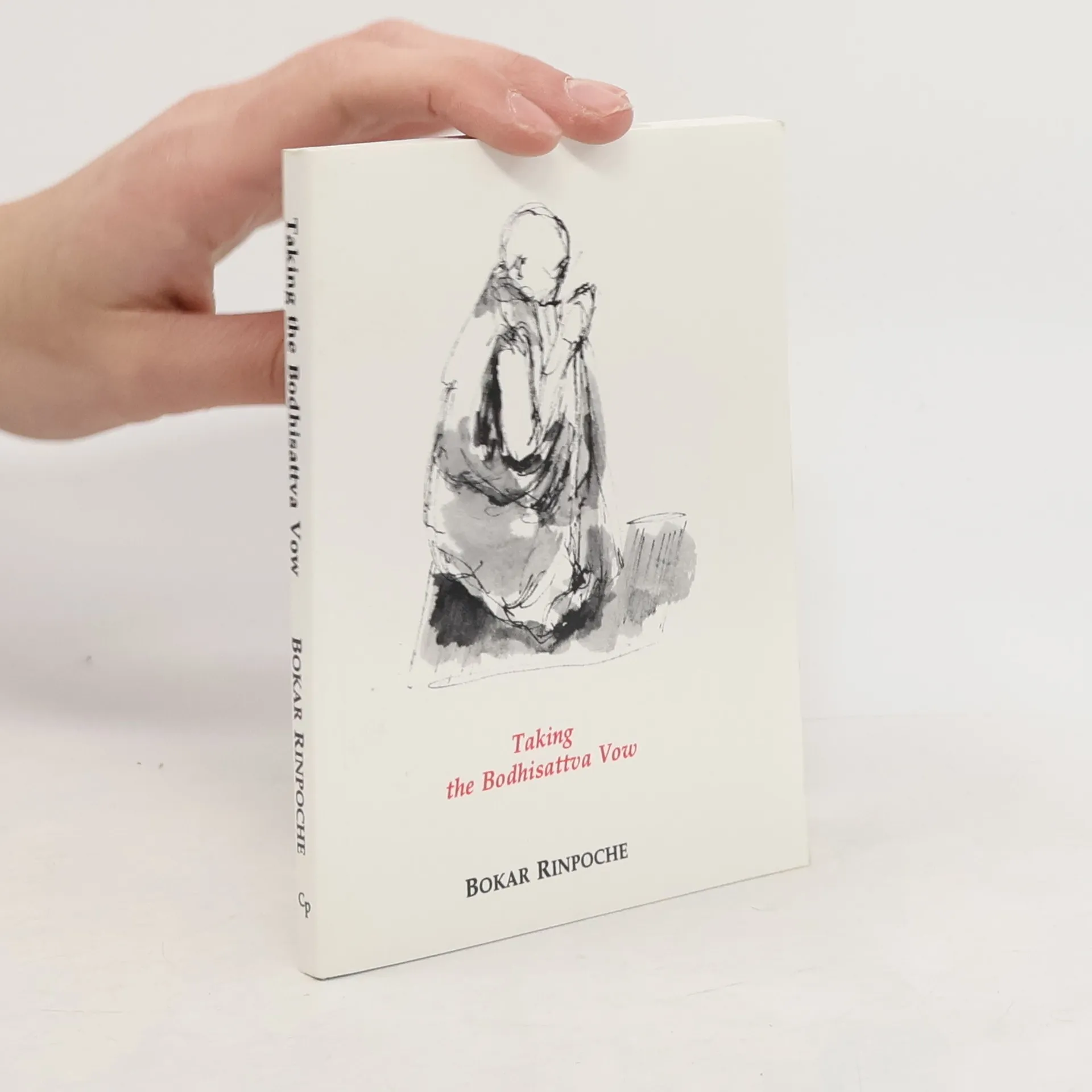
Taking the Bodhisattva Vow, Bokar Rinpoche
- Język

- Rok wydania
- 1997
- Oprawa
- (miękka)
Metody płatności
Brakuje nam tutaj Twojej recenzji.
- Tytuł
- Taking the Bodhisattva Vow
- Język
- angielski
- Autorzy
- Bokar Rinpoche
- Wydawca
- Clearpoint Press,U.S.
- Rok wydania
- 1997
- Oprawa
- miękka
- Liczba stron
- 128
- ISBN10
- 0963037188
- ISBN13
- 9780963037183
- Seria
- Kategorie
- Tagi
- Ocena
- 4,35 z 5
- Opis
- Buddhism encompasses various perspectives with distinct theories, practices, and commitments, commonly divided into three vehicles. The Small Vehicle (Hinayana) focuses on individual liberation from samsara, with vows related to monks, nuns, and lay practitioners. The Great Vehicle (Mahayana) aims for full Awakening, not for personal happiness but to develop the skills to help all beings end suffering, encapsulated in the Bodhisattva vow. The Diamond Vehicle (Vajrayana), a branch of Mahayana, shares this goal but employs rapid methods and includes sacred commitments known as samayas. This work aims to clarify the Mahayana vow, particularly the Bodhisattva vow, addressing common uncertainties about its nature and implications. It answers questions about the Bodhisattva, Bodhicitta, the commitments involved, eligibility for taking the vow, the ceremony, following precepts, and purifying transgressions. The teachings, delivered by Bokar Rinpoche in Bodhgaya in November 1995 during a seminar for Westerners, include insights from a long ceremony under the Bodhi Tree and private interviews, referencing key texts such as Gampopa's "The Jewel Ornament of Liberation" and Shantideva's "A Guide to the Bodhisattva's Way of Life." Bokar Rinpoche, recognized as a tulku at a young age, became a leading figure in the Kagyupa school after fleeing Tibet due to the Chinese invasion. He trained under Kalu Rinpoche and directed several retreat c