

Więcej o książce
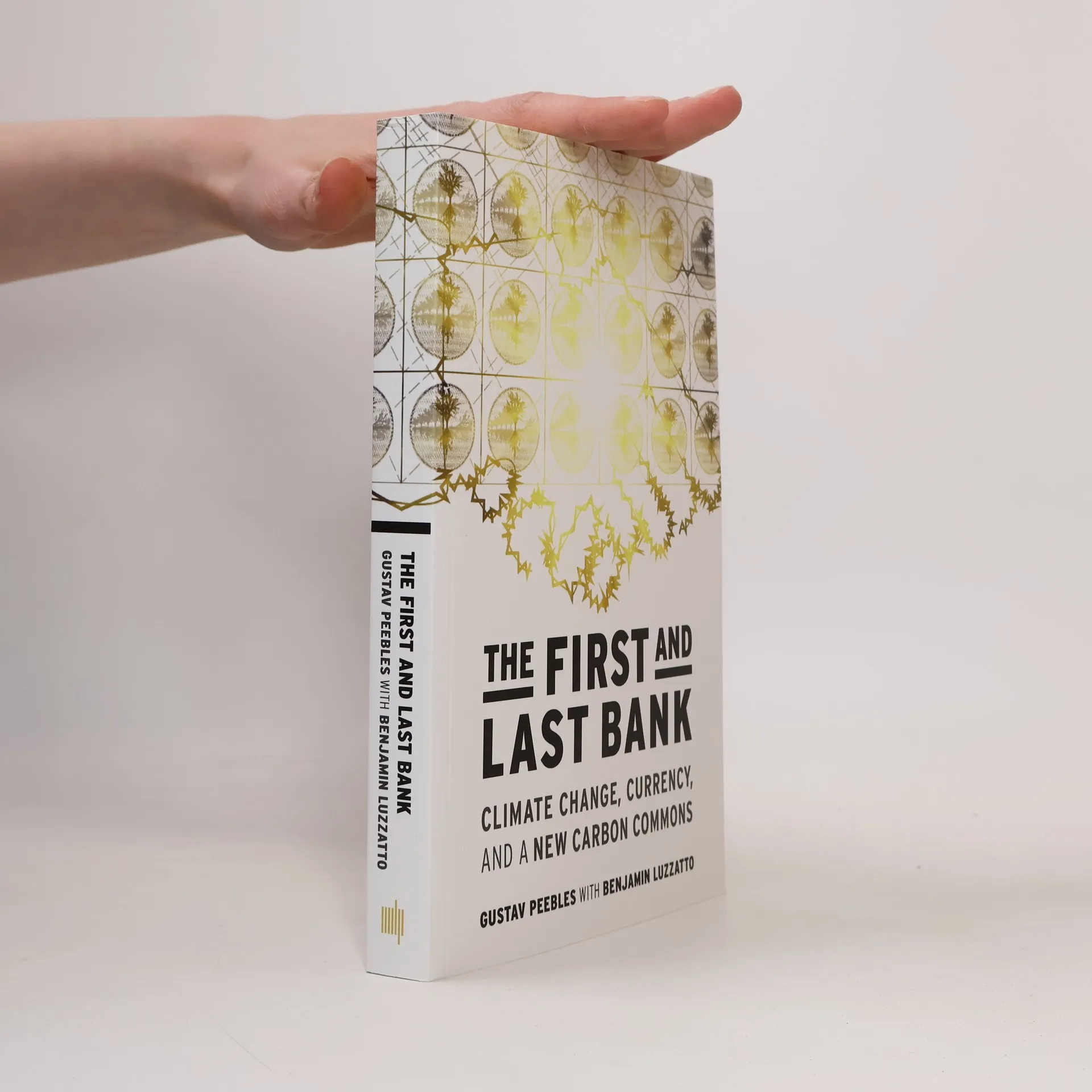
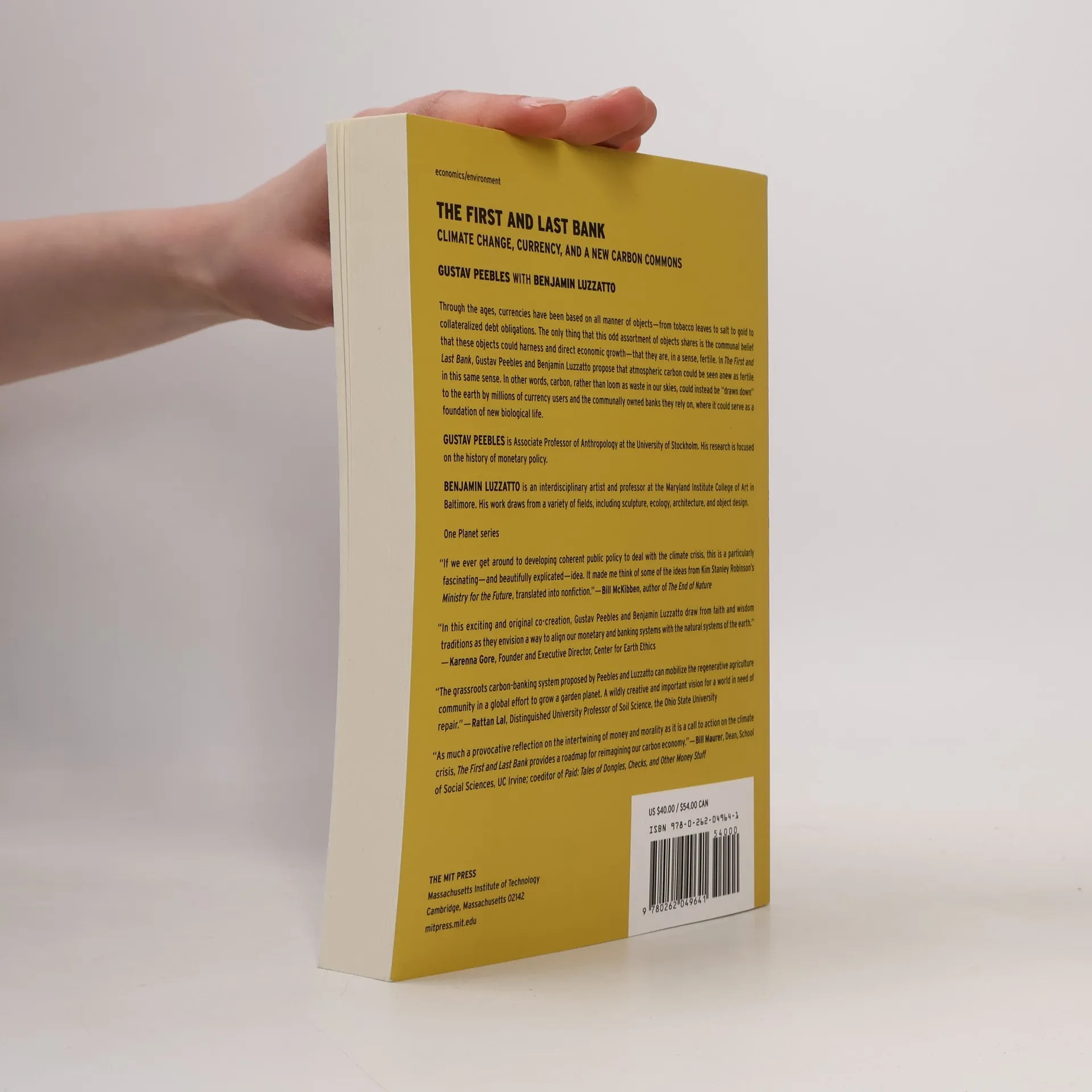
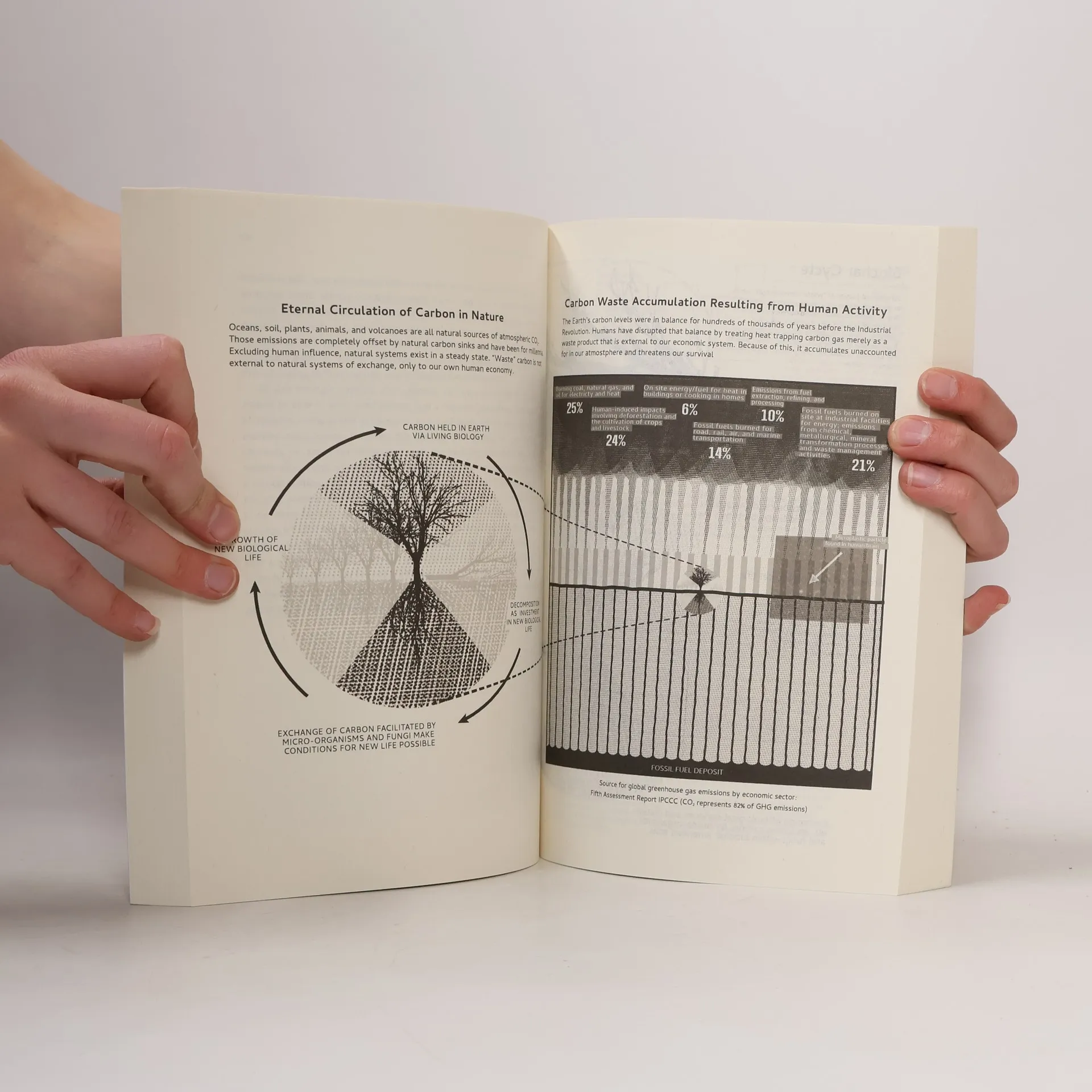
This innovative approach to currency and community presents a potential method for capturing atmospheric carbon and enhancing efforts against climate change. Historically, currencies have been based on various objects, all linked by a shared belief in their ability to drive economic growth. The authors propose viewing atmospheric carbon as a similarly fertile resource. Instead of being considered waste, carbon could be “drawn down” by currency users and their community banks, serving as a foundation for new biological life. They argue that the intersection of digital currencies and carbon biosequestration enables a radical intervention: a nonproprietary currency backed by sequestered carbon. This currency would be managed through open-source policies that prioritize sustainability and equity over relentless growth and pollution. By being backed by sequestered carbon, its use would help remove carbon from the atmosphere and return it to the ground, mirroring the historical function of gold during the gold standard era. While not a standalone solution, this currency could complement broader mitigation efforts and actively involve citizens in reducing atmospheric carbon levels.
Zakup książki
The First and Last Bank, Gustav Peebles, Benjamin Luzzatto
- Język

- Rok wydania
- 2025
Metody płatności
Nikt jeszcze nie ocenił.
- Tytuł
- The First and Last Bank
- Podtytuł
- Climate Change, Currency, and a New Carbon Commons
- Język
- angielski
- Autorzy
- Gustav Peebles, Benjamin Luzzatto
- Wydawca
- MIT Press
- Rok wydania
- 2025
- Liczba stron
- 319
- ISBN10
- 0262049643
- ISBN13
- 9780262049641
- Seria
- Tagi
- Biznes
- Opis
- This innovative approach to currency and community presents a potential method for capturing atmospheric carbon and enhancing efforts against climate change. Historically, currencies have been based on various objects, all linked by a shared belief in their ability to drive economic growth. The authors propose viewing atmospheric carbon as a similarly fertile resource. Instead of being considered waste, carbon could be “drawn down” by currency users and their community banks, serving as a foundation for new biological life. They argue that the intersection of digital currencies and carbon biosequestration enables a radical intervention: a nonproprietary currency backed by sequestered carbon. This currency would be managed through open-source policies that prioritize sustainability and equity over relentless growth and pollution. By being backed by sequestered carbon, its use would help remove carbon from the atmosphere and return it to the ground, mirroring the historical function of gold during the gold standard era. While not a standalone solution, this currency could complement broader mitigation efforts and actively involve citizens in reducing atmospheric carbon levels.