

Parametry
- 448 stron
- 16 godzin czytania
Więcej o książce
In a world marked by extreme divisions, public figures grapple with articulating humanity's tendency to fracture itself. History is rife with horrors such as slavery, colonialism, and state brutality, all stemming from a belief in an irreconcilable "other." There is a pressing need for language that encompasses various forms of oppression related to religion, ethnicity, sexual orientation, and more. While terms like tribalism and prejudice have been used to drive change, they often fall short. This exploration argues that the struggles of marginalized groups can only be understood through the concepts of othering and belonging. Scholars john a. powell and Stephen Menendian delve into the mechanisms of othering, using global and historical examples. In a climate where diversity and inclusion initiatives face scrutiny, and activists focus on specific communities, the authors advocate for a collective approach that encourages unity, even when it challenges seemingly benign forms of othering. They assert that the notion of an "other" is neither inherent nor inevitable. The authors propose a "belongingness paradigm" that liberates us from rigid identities and celebrates diversity. This paradigm emphasizes the transition from narrow to expansive identities, fostering unprecedented connections. As authoritarianism rises, powell and Menendian argue that belonging without othering is a crucial step toward achieving equitable democracie
Zakup książki
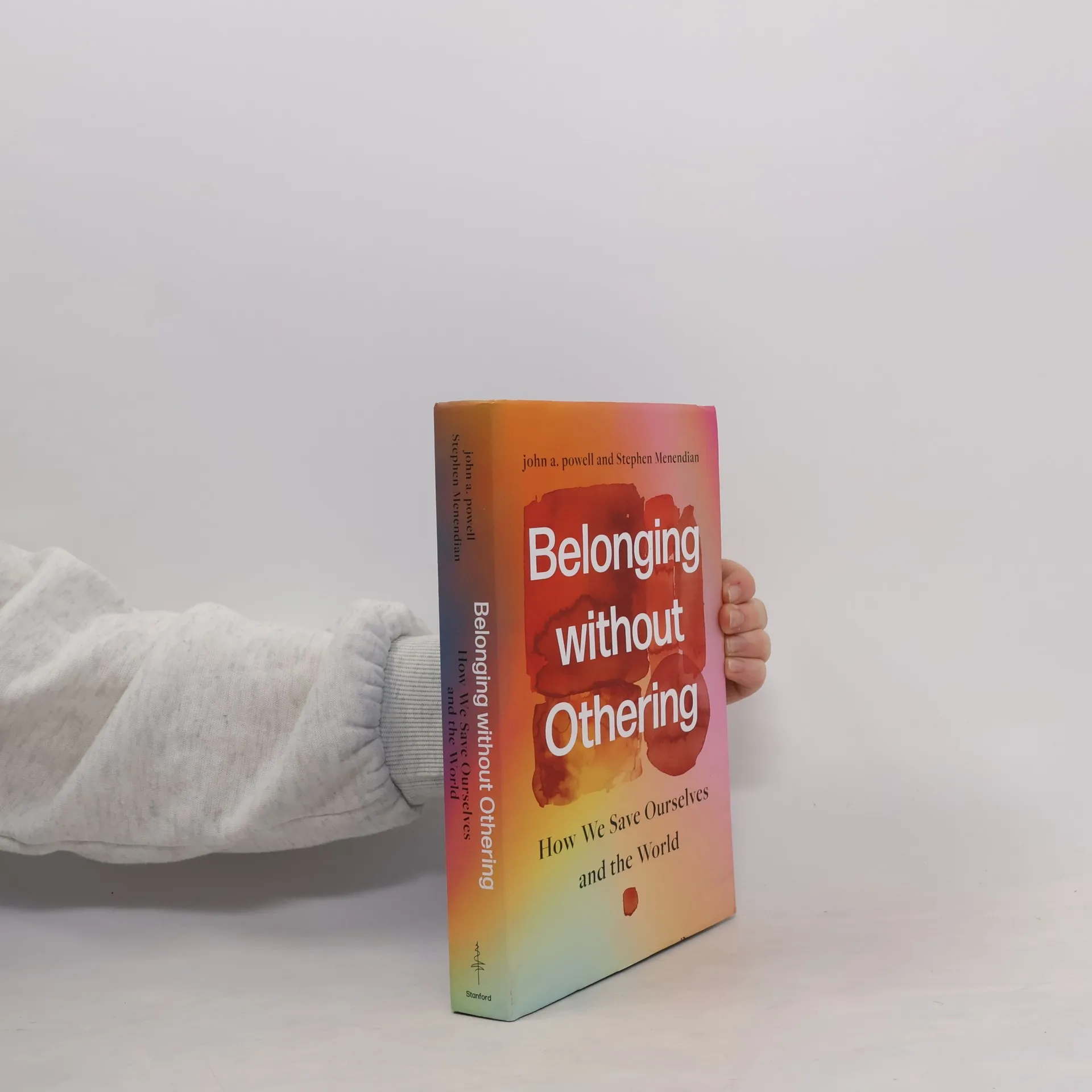
Belonging Without Othering, John A. Powell, Stephen Menendian
- Język

- Rok wydania
- 2024
- Oprawa
- (twarda)
Metody płatności
Brakuje nam tutaj Twojej recenzji.
- Tytuł
- Belonging Without Othering
- Podtytuł
- How We Save Ourselves and the World
- Język
- angielski
- Autorzy
- John A. Powell, Stephen Menendian
- Wydawca
- Stanford University Press
- Rok wydania
- 2024
- Oprawa
- twarda
- Liczba stron
- 448
- ISBN10
- 1503638847
- ISBN13
- 9781503638846
- Seria
- Kategorie
- Ocena
- 3,95 z 5
- Opis
- In a world marked by extreme divisions, public figures grapple with articulating humanity's tendency to fracture itself. History is rife with horrors such as slavery, colonialism, and state brutality, all stemming from a belief in an irreconcilable "other." There is a pressing need for language that encompasses various forms of oppression related to religion, ethnicity, sexual orientation, and more. While terms like tribalism and prejudice have been used to drive change, they often fall short. This exploration argues that the struggles of marginalized groups can only be understood through the concepts of othering and belonging. Scholars john a. powell and Stephen Menendian delve into the mechanisms of othering, using global and historical examples. In a climate where diversity and inclusion initiatives face scrutiny, and activists focus on specific communities, the authors advocate for a collective approach that encourages unity, even when it challenges seemingly benign forms of othering. They assert that the notion of an "other" is neither inherent nor inevitable. The authors propose a "belongingness paradigm" that liberates us from rigid identities and celebrates diversity. This paradigm emphasizes the transition from narrow to expansive identities, fostering unprecedented connections. As authoritarianism rises, powell and Menendian argue that belonging without othering is a crucial step toward achieving equitable democracie