

Więcej o książce
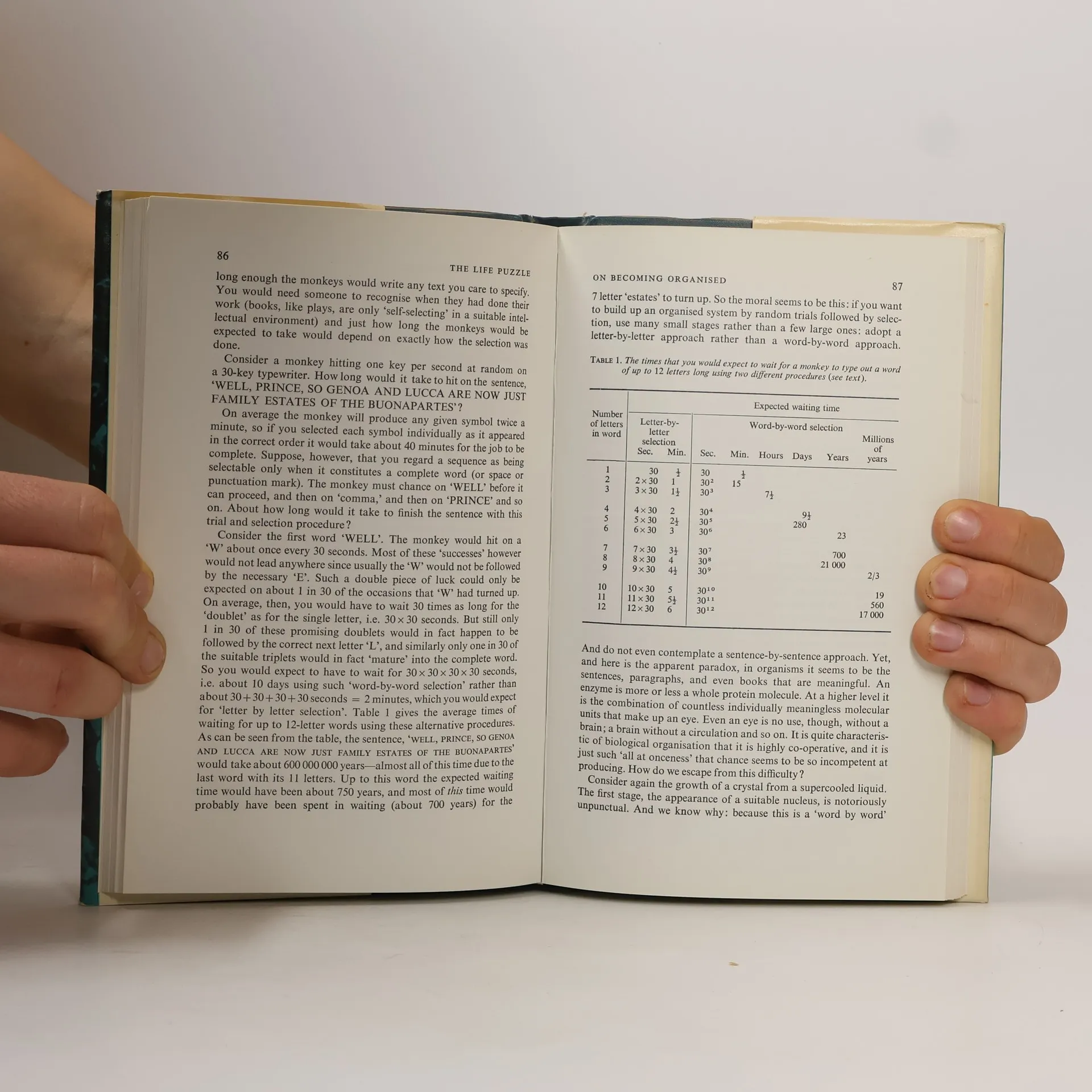
What is the origin of life? Molecular biology shows us one kind, but in thinking about it we must consider those generalised aspects of living organisation that are common to all conceivable forms of life. The author believes that only a combination of general biological theory and particular chemical knowledge can solve the problems of the origin and re-creation of life. This book does not fall into either the classical Haldane or Oparin schools of thought on the origin of life, but advances a thesis of its own, which, according to Professor C.H. Waddington, is one of the most important recent intellectual developments in this field. Part I considers the role of molecular biology in formulating a view of life as it exists now. Part II turns to more general aspects of the organisation of matter. In Part III the author advances his own theories on the origin of life—theories which are both revolutionary and reactionary. As he remarks, 'If my conclusions are correct it may be difficult to find the right system, but it would be easy to make a very simple organism once we have.'
Zakup książki
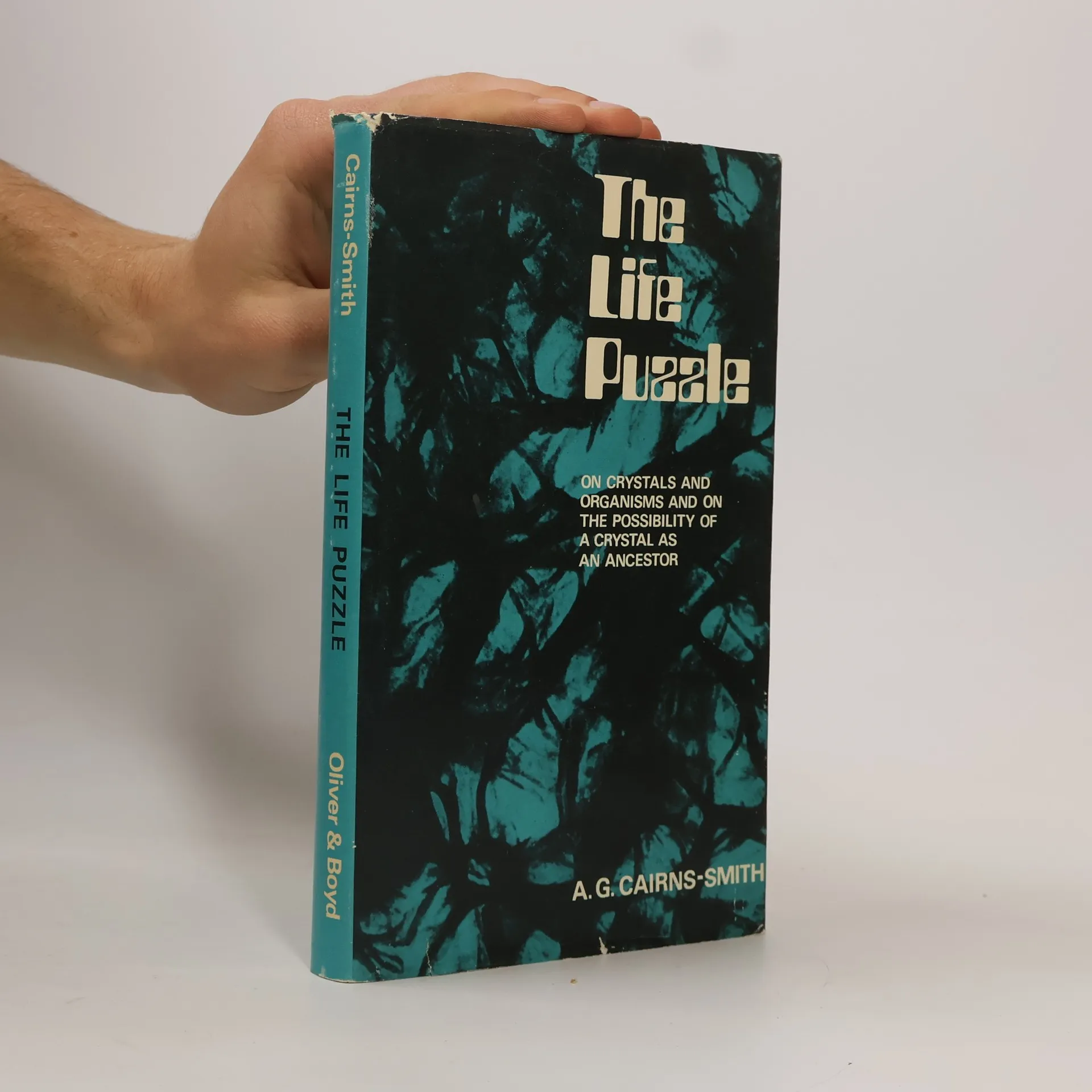
The Life Puzzle, Alexander Graham Cairns-Smith
- Język

- Rok wydania
- 1971
- Oprawa
- (twarda)
Metody płatności
Nikt jeszcze nie ocenił.
- Tytuł
- The Life Puzzle
- Podtytuł
- On Crystals And Organisms And On The Possibility Of A Crystal As An Ancestor
- Język
- angielski
- Wydawca
- Oliver and Boyd
- Rok wydania
- 1971
- Oprawa
- twarda
- Liczba stron
- 165
- ISBN10
- 0050022970
- ISBN13
- 9780050022979
- Seria
- Opis
- What is the origin of life? Molecular biology shows us one kind, but in thinking about it we must consider those generalised aspects of living organisation that are common to all conceivable forms of life. The author believes that only a combination of general biological theory and particular chemical knowledge can solve the problems of the origin and re-creation of life. This book does not fall into either the classical Haldane or Oparin schools of thought on the origin of life, but advances a thesis of its own, which, according to Professor C.H. Waddington, is one of the most important recent intellectual developments in this field. Part I considers the role of molecular biology in formulating a view of life as it exists now. Part II turns to more general aspects of the organisation of matter. In Part III the author advances his own theories on the origin of life—theories which are both revolutionary and reactionary. As he remarks, 'If my conclusions are correct it may be difficult to find the right system, but it would be easy to make a very simple organism once we have.'