

Więcej o książce
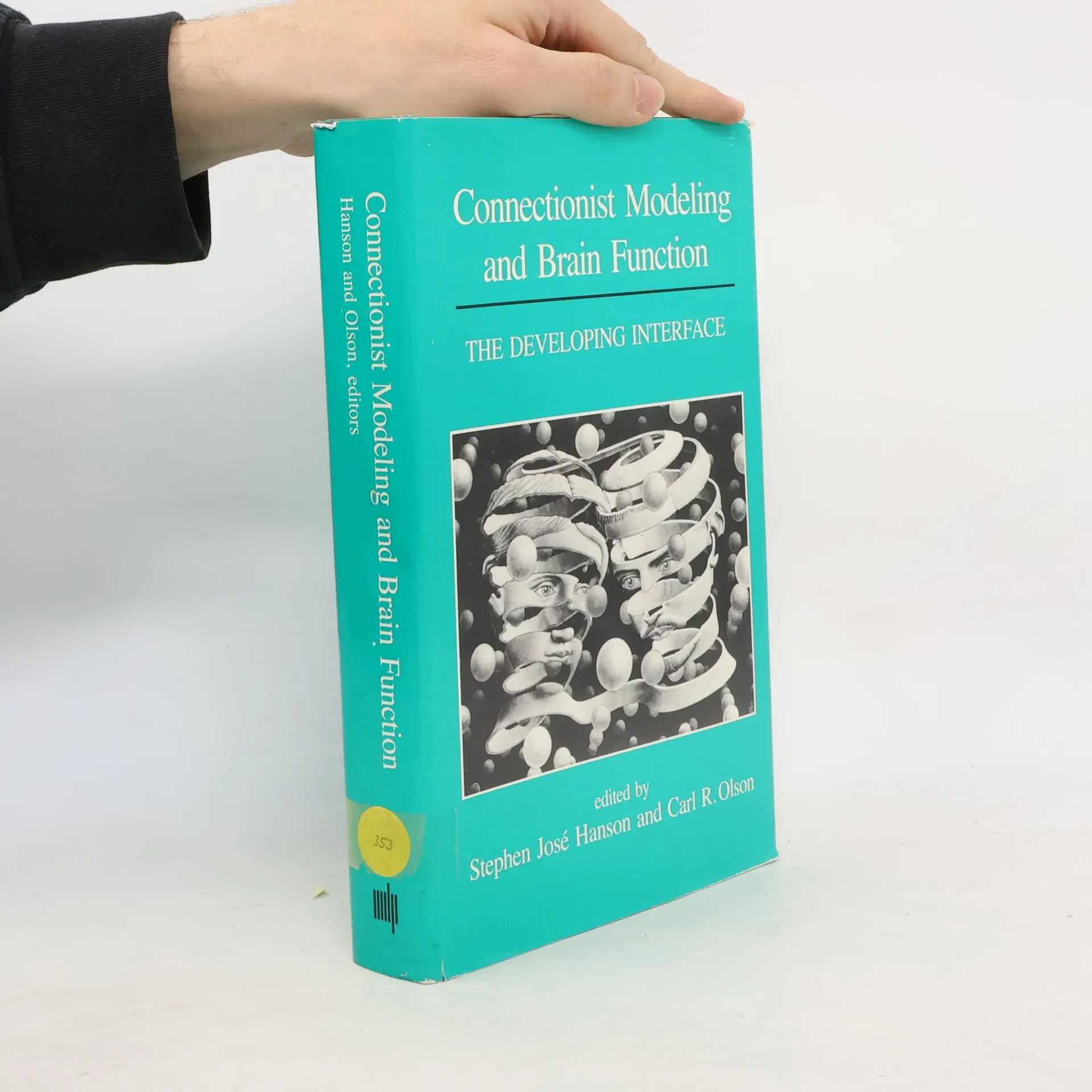
This book compiles insights from biology, neuroscience, computer science, physics, and psychology, presenting a comprehensive tutorial on connectionist-inspired biology-based modeling. It details specific experimental methods while addressing broader issues related to associative memory and sensorimotor development. Introductory chapters by editors Hanson and Olson, along with contributions from Sejnowski, Koch, and Churchland, outline computational neuroscience, distinguishing between "realistic" and "simplified" brain models, providing examples, and discussing the appropriateness of each approach in different contexts. Subsequent chapters are structured to present the anatomy and physiology of specific brain regions before delving into modeling studies. The modeling ranges from simplified to more realistic approaches, highlighting constraints from known brain details and the decisions modelers face regarding these constraints. The book is organized into three sections, each focusing on a critical area where biology and modeling intersect. Stephen Jose Hanson is affiliated with Bellcore and Princeton University, while Carl R. Olson is an Assistant Professor at Princeton's Department of Psychology. This work is part of the Network Modeling and Connectionism series, edited by Jeffrey Elman.
Zakup książki
Connectionist Modeling and Brain Function, Stephen José Hanson, Carl R. Olson
- Język

- Rok wydania
- 1990
- Oprawa
- (twarda)
Metody płatności
Nikt jeszcze nie ocenił.
- Tytuł
- Connectionist Modeling and Brain Function
- Podtytuł
- The Developing Interface
- Język
- angielski
- Autorzy
- Stephen José Hanson, Carl R. Olson
- Wydawca
- MIT Press
- Rok wydania
- 1990
- Oprawa
- twarda
- Liczba stron
- 440
- ISBN10
- 0262081938
- ISBN13
- 9780262081931
- Seria
- Tagi
- Opis
- This book compiles insights from biology, neuroscience, computer science, physics, and psychology, presenting a comprehensive tutorial on connectionist-inspired biology-based modeling. It details specific experimental methods while addressing broader issues related to associative memory and sensorimotor development. Introductory chapters by editors Hanson and Olson, along with contributions from Sejnowski, Koch, and Churchland, outline computational neuroscience, distinguishing between "realistic" and "simplified" brain models, providing examples, and discussing the appropriateness of each approach in different contexts. Subsequent chapters are structured to present the anatomy and physiology of specific brain regions before delving into modeling studies. The modeling ranges from simplified to more realistic approaches, highlighting constraints from known brain details and the decisions modelers face regarding these constraints. The book is organized into three sections, each focusing on a critical area where biology and modeling intersect. Stephen Jose Hanson is affiliated with Bellcore and Princeton University, while Carl R. Olson is an Assistant Professor at Princeton's Department of Psychology. This work is part of the Network Modeling and Connectionism series, edited by Jeffrey Elman.