

Więcej o książce
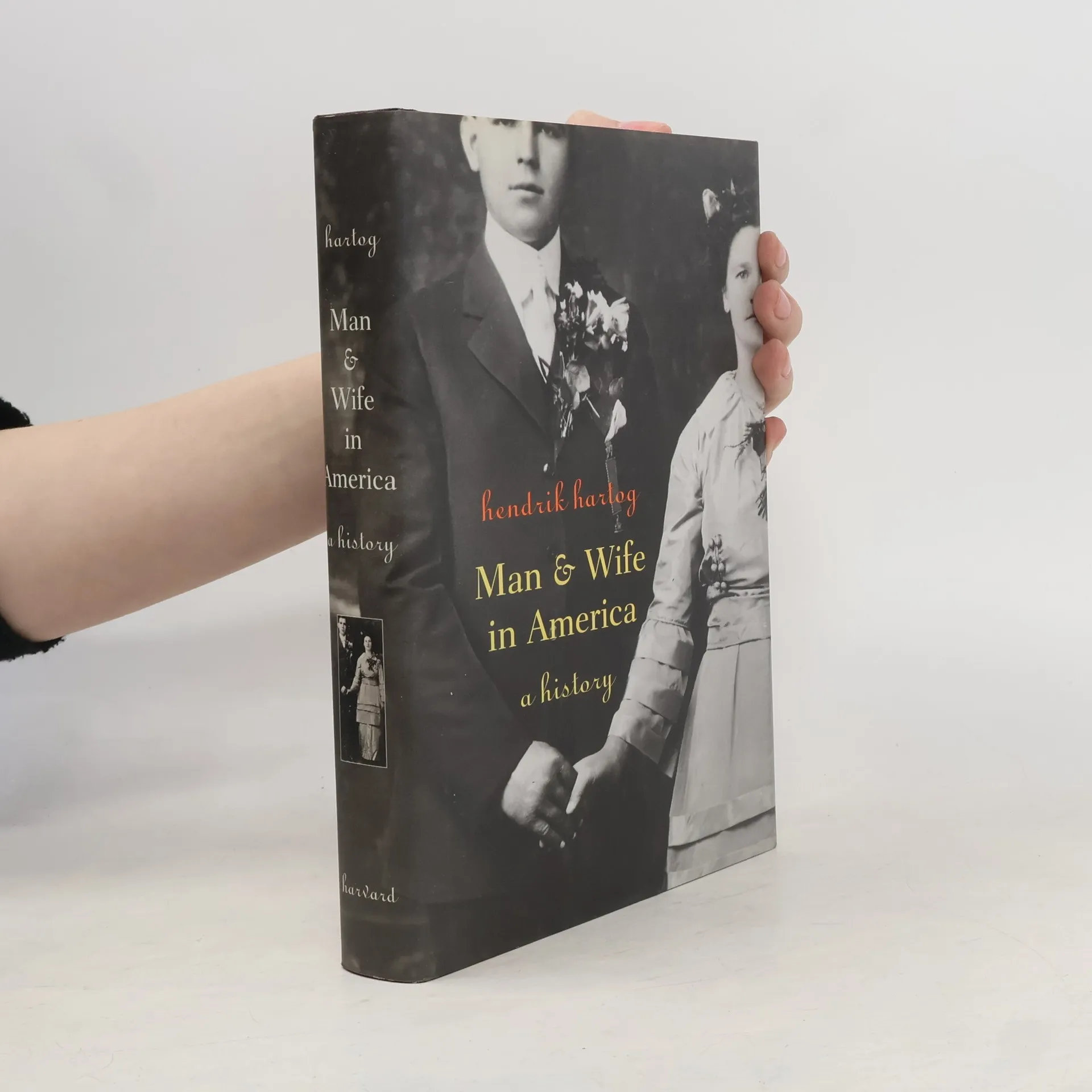
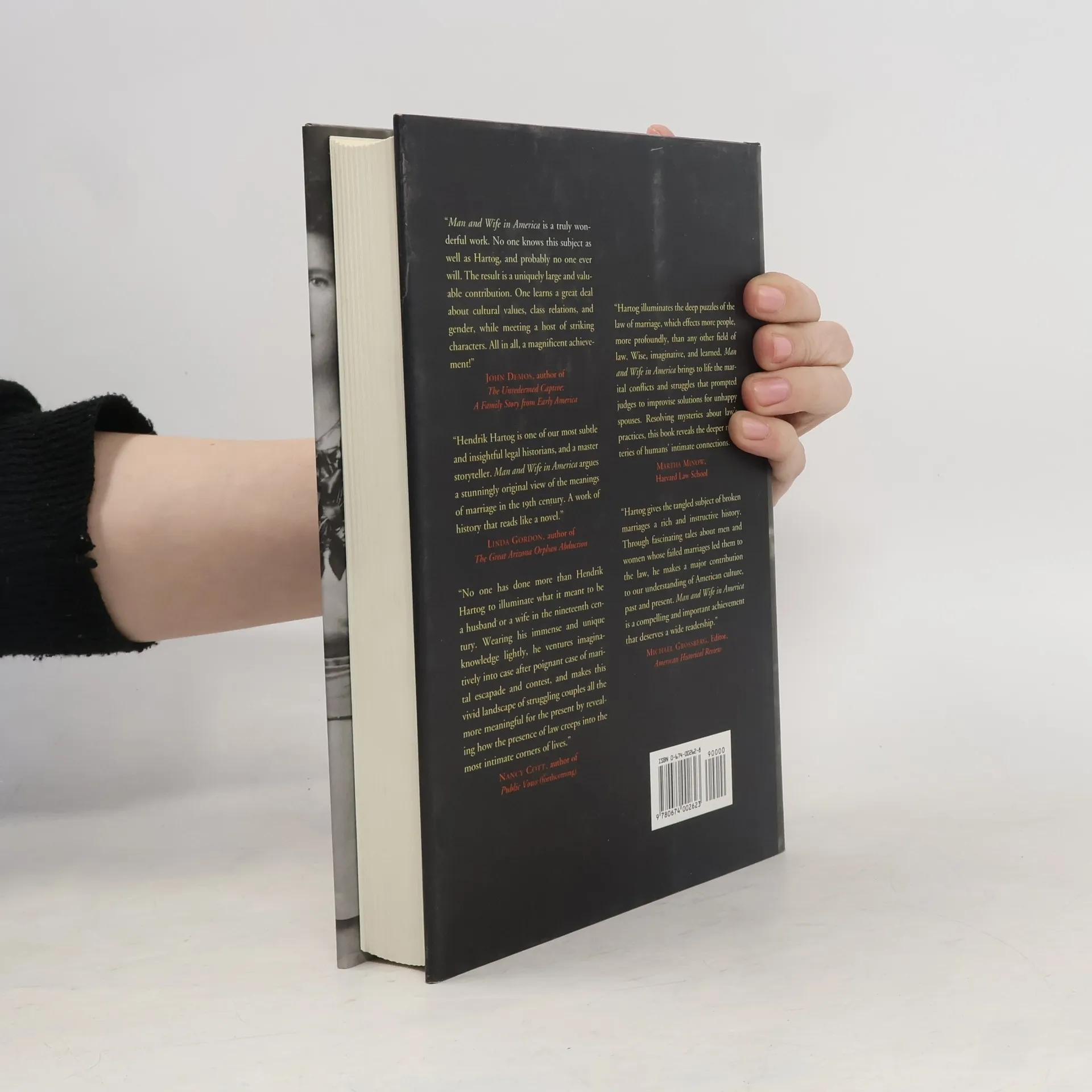
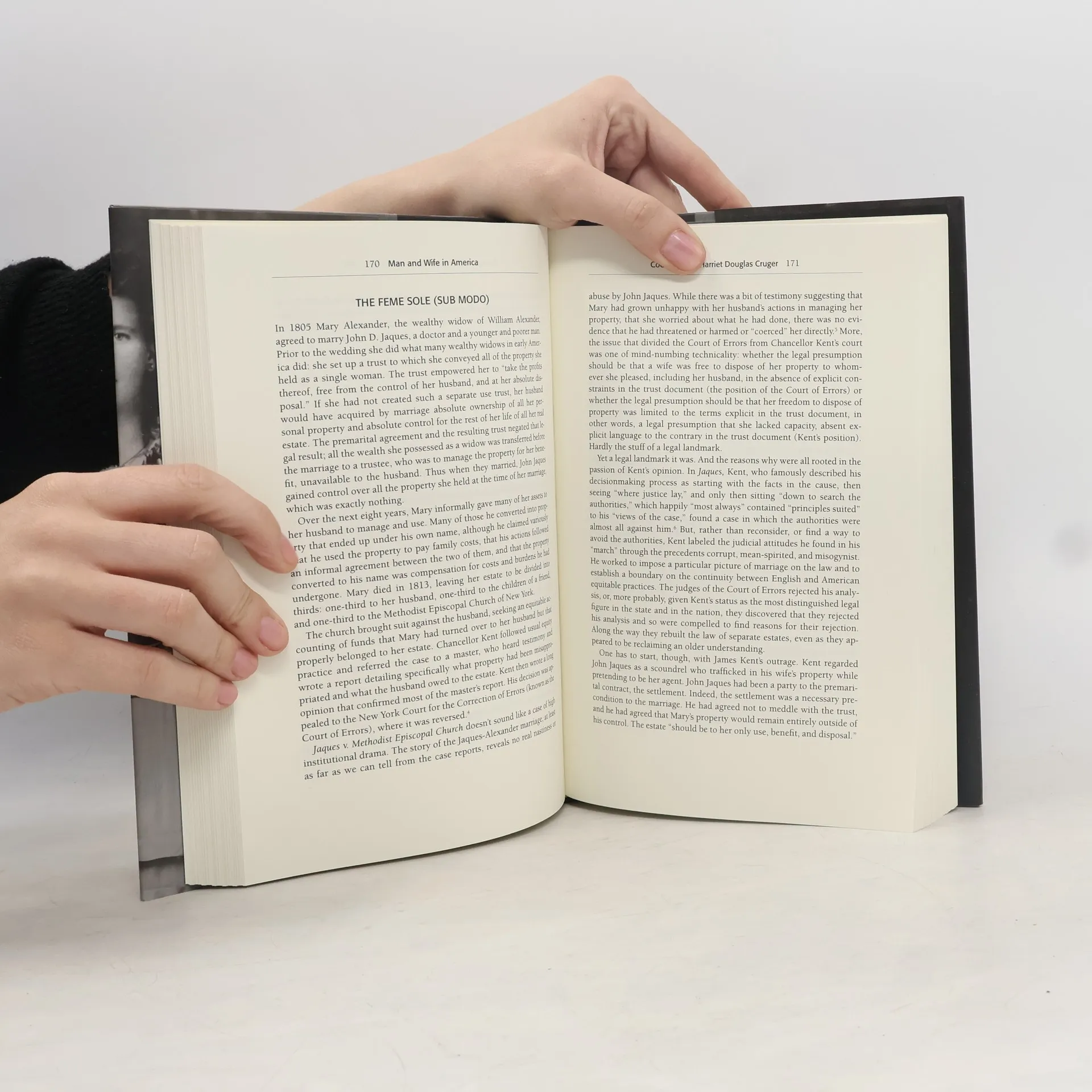
In nineteenth-century America, marriage was legally defined as a permanent bond characterized by the husband's authority and the wife's dependence. However, the law also provided avenues for individuals to escape this relationship. Hendrik Hartog explores these complexities, examining how husbands and wives navigated marriage within this legal framework. Through case records, he reveals the struggles and conflicts that challenge the notion of a stable marital golden age. Hartog illustrates how the law shaped marital relations and spousal identities, while individuals manipulated legal rules to meet their needs. The narrative features a diverse cast: wives seeking to leave abusive husbands, women leveraging their marital status for personal gain, accidental and intentional bigamists, men confronting their wives' lovers, and couples fighting for divorce in a culture that often denied them that option. As we engage with these stories, we see reflections of our own experiences and anxieties regarding marriage. Hartog connects our contemporary conflicts about marital roles and identities to the historical legal struggles that have defined and transformed marriage.
Zakup książki
Man and Wife in America, Hendrik Hartog
- Język

- Rok wydania
- 2000
- Oprawa
- (twarda)
Metody płatności
Brakuje nam tutaj Twojej recenzji.
- Tytuł
- Man and Wife in America
- Podtytuł
- A History
- Język
- angielski
- Autorzy
- Hendrik Hartog
- Wydawca
- Harvard University Press
- Rok wydania
- 2000
- Oprawa
- twarda
- Liczba stron
- 416
- ISBN10
- 0674002628
- ISBN13
- 9780674002623
- Seria
- Kategorie
- Ocena
- 3 z 5
- Opis
- In nineteenth-century America, marriage was legally defined as a permanent bond characterized by the husband's authority and the wife's dependence. However, the law also provided avenues for individuals to escape this relationship. Hendrik Hartog explores these complexities, examining how husbands and wives navigated marriage within this legal framework. Through case records, he reveals the struggles and conflicts that challenge the notion of a stable marital golden age. Hartog illustrates how the law shaped marital relations and spousal identities, while individuals manipulated legal rules to meet their needs. The narrative features a diverse cast: wives seeking to leave abusive husbands, women leveraging their marital status for personal gain, accidental and intentional bigamists, men confronting their wives' lovers, and couples fighting for divorce in a culture that often denied them that option. As we engage with these stories, we see reflections of our own experiences and anxieties regarding marriage. Hartog connects our contemporary conflicts about marital roles and identities to the historical legal struggles that have defined and transformed marriage.