

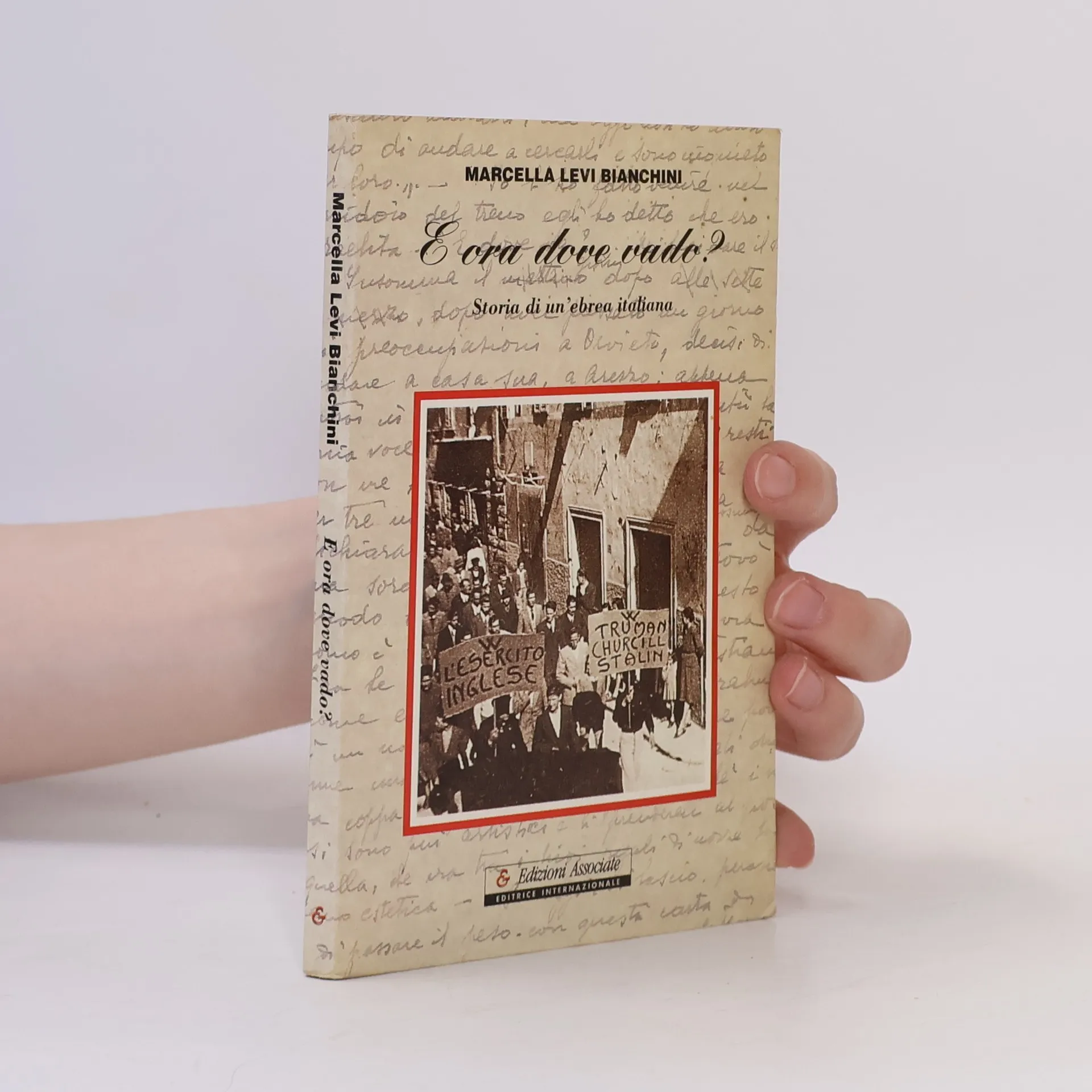
E ora dove vado?
Storia di un'ebrea italiana
Autorzy
Więcej o książce
Memoirs of an Jew, the widow of the naval commander Angelo Levi Bianchini. Her daughters (the editors) left Italy after the promulgation of the racial laws in 1938. Begins with the period preceding the armistice (September 1943) and the Nazi invasion. During the raid of 16 October 1943 the author was saved by her portress. She found a hiding place for her sick mother but could not find one for herself. She then left Rome and went to Arezzo where she was hidden by a railworker, Luigi Gori. From there, she went to Chiusi where she was aided by other members of the Gori family. Describes her anxiety while in hiding and the many difficulties and dangers of living with a false identity. After nine months the region was freed by the Allies. These memoirs were written immediately after the liberation, before she had any news from the rest of her family hiding in Tuscany.
Zakup książki
E ora dove vado?, Marcella Levi Bianchini
- Język

- Rok wydania
- 1994
- Oprawa
- (miękka)
Metody płatności
Nikt jeszcze nie ocenił.
- Tytuł
- E ora dove vado?
- Podtytuł
- Storia di un'ebrea italiana
- Język
- włoski
- Autorzy
- Marcella Levi Bianchini
- Rok wydania
- 1994
- Oprawa
- miękka
- Liczba stron
- 108
- ISBN10
- 8826702284
- ISBN13
- 9788826702285
- Seria
- Kategorie
- Opis
- Memoirs of an Jew, the widow of the naval commander Angelo Levi Bianchini. Her daughters (the editors) left Italy after the promulgation of the racial laws in 1938. Begins with the period preceding the armistice (September 1943) and the Nazi invasion. During the raid of 16 October 1943 the author was saved by her portress. She found a hiding place for her sick mother but could not find one for herself. She then left Rome and went to Arezzo where she was hidden by a railworker, Luigi Gori. From there, she went to Chiusi where she was aided by other members of the Gori family. Describes her anxiety while in hiding and the many difficulties and dangers of living with a false identity. After nine months the region was freed by the Allies. These memoirs were written immediately after the liberation, before she had any news from the rest of her family hiding in Tuscany.