

Więcej o książce
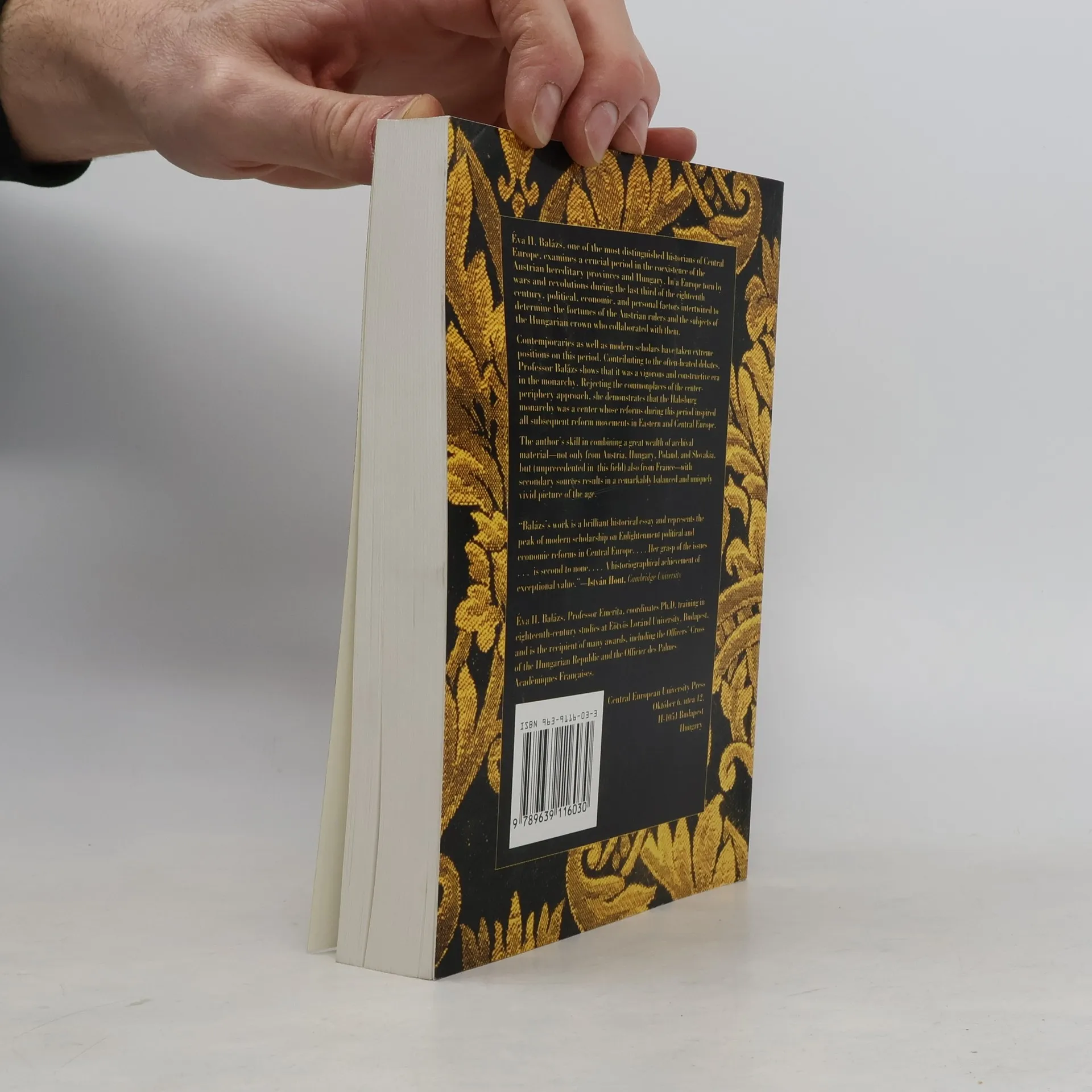
Eva H. Balazs, one of the foremost living authorities on eighteenth century Central Europe, examines a crucial period in the co-existence of the Austrian hereditary provinces and Hungary. In a Europe torn by wars and revolutions, in the last third of the eighteenth century, political, economic and personal factors interwined to determine the fortunes of the Austrian rulers and the subjects of the Hungarian crown who collaborated with them in a subordinated status. Rejecting commonplaces of the centre-periphery approach, the author argues that the Habsburg monarchy was a 'centre' whose reforms in this period inspired all subsequent movements for reform in Eastern and Central Europe.Professor Balazs's skill in combining great wealth of archival material -- not only from Austria, Hungary, Poland and Slovakia, but (unprecedented in this field) also from France, gives the reader a near-contemporary proximity to the figures and developments discussed.
Zakup książki
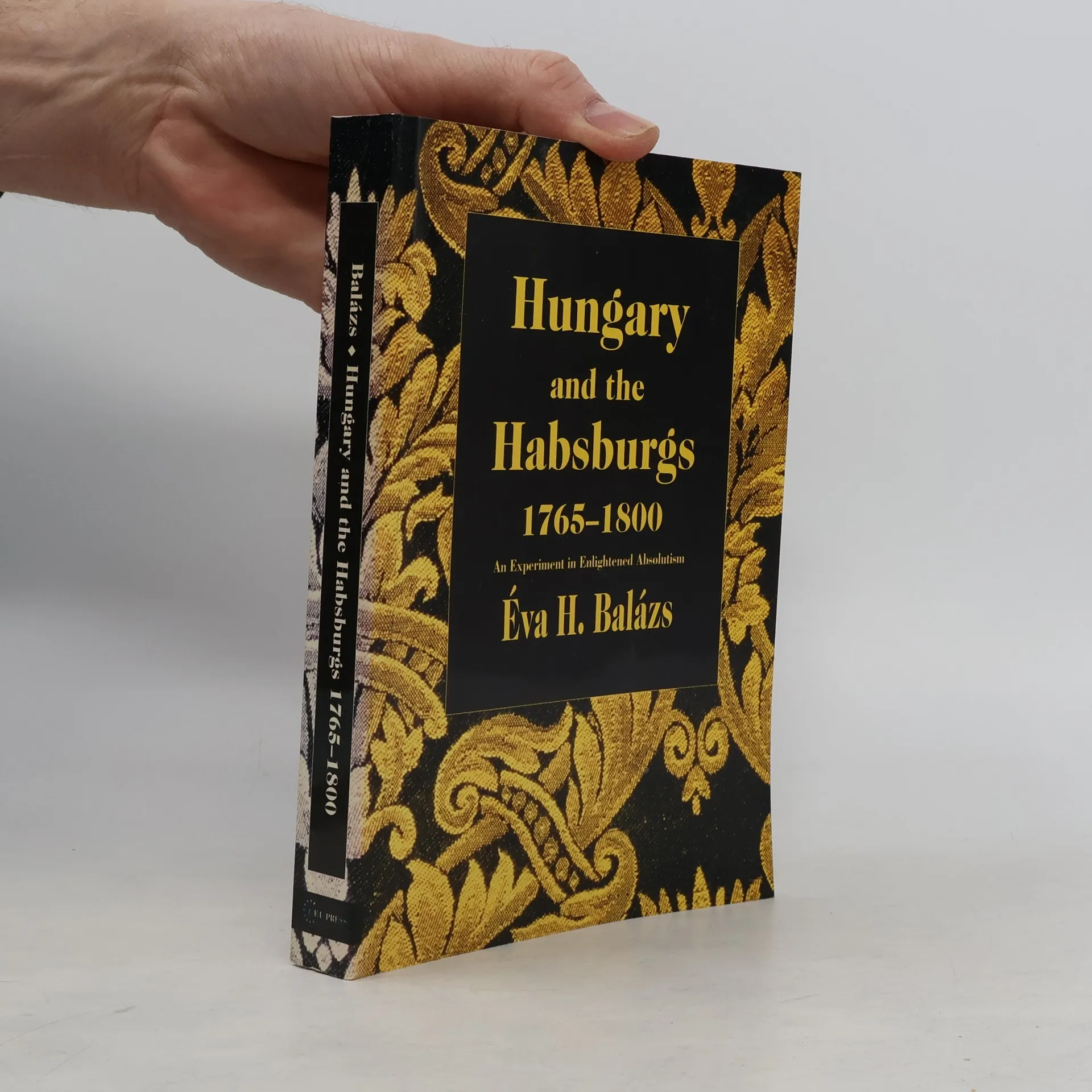
Hungary and the Habsburgs, 1765-1800, Éva H. Balázs
- Język

- Rok wydania
- 1997
- Oprawa
- (twarda),
- Stan książki
- Dobry
- Cena
- 26,58 zł
Metody płatności
Nikt jeszcze nie ocenił.
- Tytuł
- Hungary and the Habsburgs, 1765-1800
- Podtytuł
- An Experiment in Enlightened Absolutism
- Język
- angielski
- Autorzy
- Éva H. Balázs
- Rok wydania
- 1997
- Oprawa
- twarda
- Liczba stron
- 304
- ISBN10
- 9639116033
- ISBN13
- 9789639116030
- Seria
- Opis
- Eva H. Balazs, one of the foremost living authorities on eighteenth century Central Europe, examines a crucial period in the co-existence of the Austrian hereditary provinces and Hungary. In a Europe torn by wars and revolutions, in the last third of the eighteenth century, political, economic and personal factors interwined to determine the fortunes of the Austrian rulers and the subjects of the Hungarian crown who collaborated with them in a subordinated status. Rejecting commonplaces of the centre-periphery approach, the author argues that the Habsburg monarchy was a 'centre' whose reforms in this period inspired all subsequent movements for reform in Eastern and Central Europe.Professor Balazs's skill in combining great wealth of archival material -- not only from Austria, Hungary, Poland and Slovakia, but (unprecedented in this field) also from France, gives the reader a near-contemporary proximity to the figures and developments discussed.