

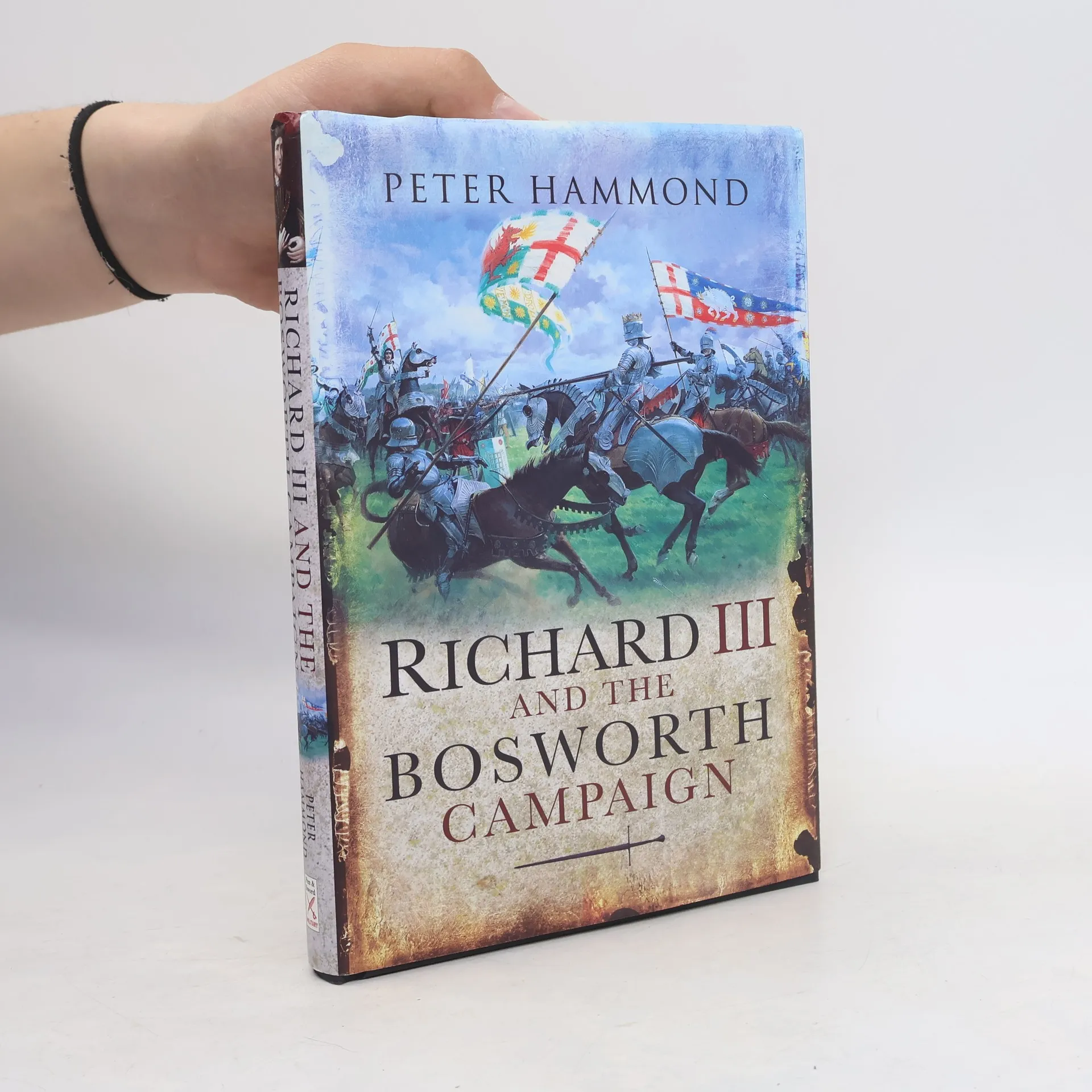
Więcej o książce
On 22 August 1485 the forces of the Yorkist king Richard III and his Lancastrian opponent Henry Tudor, Earl of Richmond clashed at Bosworth Field in Leicestershire in one of the decisive battles of English history. Richard was defeated and killed. Henry took the crown as Henry VII, established the Tudor dynasty and set English history on a new course. For the last 500 years this, the most famous battle of the Wars of the Roses, has excited passionate interest and continuing controversy. Peter Hammond, in a vivid and perceptive account of the battle, retells the story of the tangled dynastic and personal rivalries that provoked the conflict, describes the preparations of the two converging armies and offers a gripping analysis of the contest itself. The latest documentary and archaeological evidence is considered, and the author weighs up the merits of conflicting interpretations of the battle and the battlefield. He also pays particular attention to the contrasting characters of
Zakup książki
Richard III and the Bosworth Campaign, Peter J. Hammond
- Język

- Rok wydania
- 2010
- Oprawa
- (twarda)
Metody płatności
Brakuje nam tutaj Twojej recenzji.
- Tytuł
- Richard III and the Bosworth Campaign
- Język
- angielski
- Autorzy
- Peter J. Hammond
- Wydawca
- Pen and Sword Military
- Rok wydania
- 2010
- Oprawa
- twarda
- Liczba stron
- 192
- ISBN10
- 1844152596
- ISBN13
- 9781844152599
- Seria
- Ocena
- 3,45 z 5
- Opis
- On 22 August 1485 the forces of the Yorkist king Richard III and his Lancastrian opponent Henry Tudor, Earl of Richmond clashed at Bosworth Field in Leicestershire in one of the decisive battles of English history. Richard was defeated and killed. Henry took the crown as Henry VII, established the Tudor dynasty and set English history on a new course. For the last 500 years this, the most famous battle of the Wars of the Roses, has excited passionate interest and continuing controversy. Peter Hammond, in a vivid and perceptive account of the battle, retells the story of the tangled dynastic and personal rivalries that provoked the conflict, describes the preparations of the two converging armies and offers a gripping analysis of the contest itself. The latest documentary and archaeological evidence is considered, and the author weighs up the merits of conflicting interpretations of the battle and the battlefield. He also pays particular attention to the contrasting characters of