




Więcej o książce
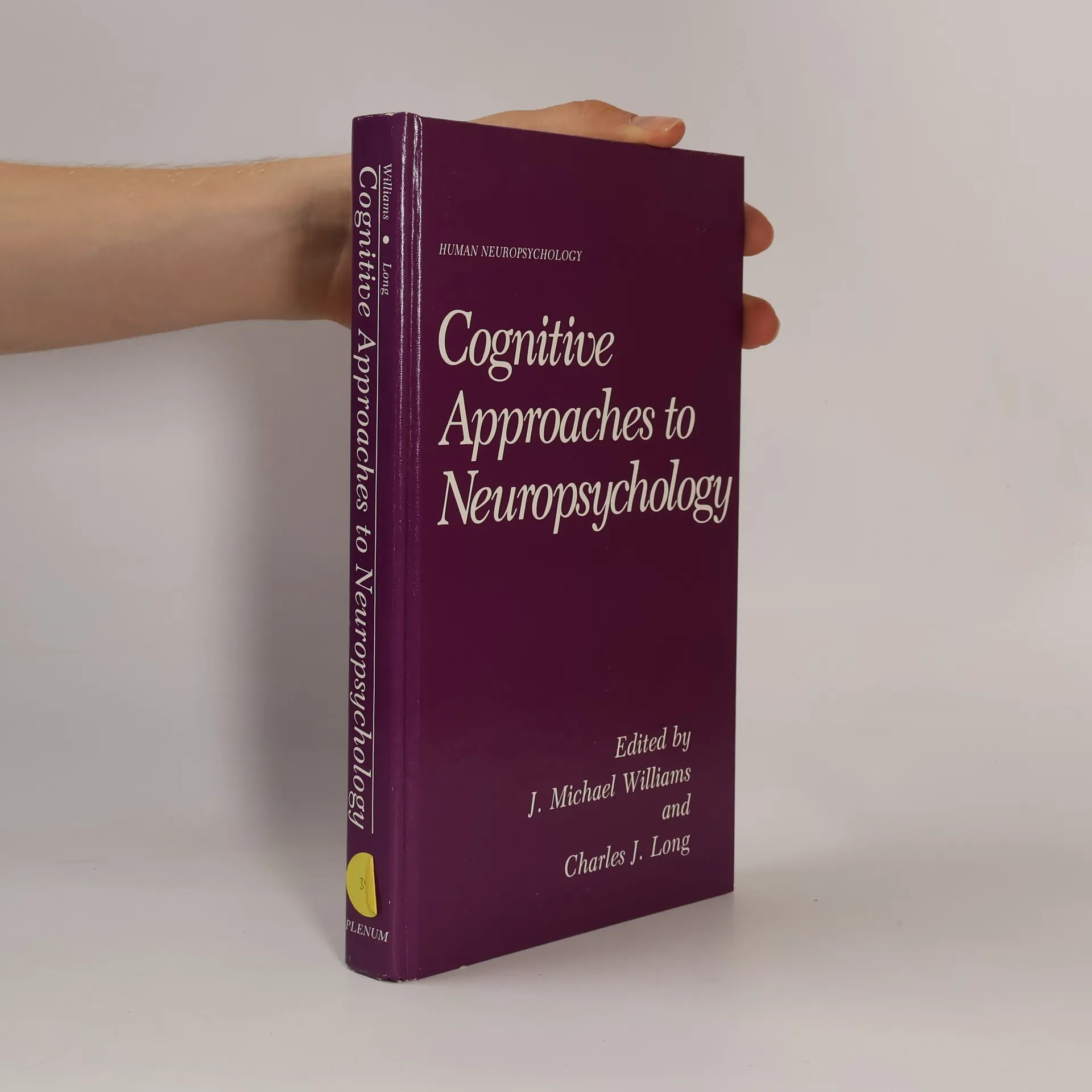
Since its inception, neuropsychology has explored how cognitive abilities are mediated by the brain, with clinical neuropsychology falling under this broader investigation. However, various factors have historically hindered a close association between neuropsychologists and cognitive/experimental psychologists. These influences kept cognition studies from considering biological foundations, leaving neuropsychology theoretically impoverished. Recently, these barriers have lessened, leading to the emergence of "cognitive neuropsychology," which aims to integrate cognition with brain function. The separation of these fields stemmed from historical trends and social distances that occurred largely by accident. A key factor was that early cognition and brain function researchers were primarily neurologists or neuroscientists, lacking a psychological framework to deepen their understanding of observed behaviors following brain injuries. As more psychologists with cognitive contexts began studying the effects of brain disorders like aphasia and amnesia, the research became more comprehensive, incorporating theories of language and memory from cognitive psychology into their investigations. This shift marks a significant evolution in the understanding of the interplay between cognitive processes and brain function.
Zakup książki
Cognitive Approaches to Neuropsychology, Michael J. Williams, Charles J. Long
- Język

- Rok wydania
- 1988
- Oprawa
- (twarda),
- Stan książki
- Uszkodzony
- Cena
- 21,57 zł
Metody płatności
Nikt jeszcze nie ocenił.
- Tytuł
- Cognitive Approaches to Neuropsychology
- Podtytuł
- Human Neuropsychology
- Język
- angielski
- Autorzy
- Michael J. Williams, Charles J. Long
- Wydawca
- Plenum Press
- Rok wydania
- 1988
- Oprawa
- twarda
- Liczba stron
- 361
- ISBN10
- 030643024X
- ISBN13
- 9780306430244
- Seria
- Opis
- Since its inception, neuropsychology has explored how cognitive abilities are mediated by the brain, with clinical neuropsychology falling under this broader investigation. However, various factors have historically hindered a close association between neuropsychologists and cognitive/experimental psychologists. These influences kept cognition studies from considering biological foundations, leaving neuropsychology theoretically impoverished. Recently, these barriers have lessened, leading to the emergence of "cognitive neuropsychology," which aims to integrate cognition with brain function. The separation of these fields stemmed from historical trends and social distances that occurred largely by accident. A key factor was that early cognition and brain function researchers were primarily neurologists or neuroscientists, lacking a psychological framework to deepen their understanding of observed behaviors following brain injuries. As more psychologists with cognitive contexts began studying the effects of brain disorders like aphasia and amnesia, the research became more comprehensive, incorporating theories of language and memory from cognitive psychology into their investigations. This shift marks a significant evolution in the understanding of the interplay between cognitive processes and brain function.