

Więcej o książce
The fourth edition critically examines research on cognitive sex differences, aiming to clarify where these differences exist and where they do not. Since the last edition, advancements in neuroscience have reshaped our understanding of the mind and behavior, particularly regarding cognitive sex differences. However, neuroscience is still developing and has sometimes been misapplied to support sex role stereotypes. The book addresses the prevalence of exaggerated and unreplicated claims about cognitive differences, emphasizing the need for rigorous research and a healthy skepticism towards evidence. It acknowledges the complexity of cognitive sex differences and the necessity of viewing issues from multiple perspectives, distinguishing well-supported claims from politicized pseudoscience. The author presents and interprets relevant data fairly, revealing strong support for various viewpoints. The exploration includes factors such as abilities, education, stereotypes, culture, and hormones, while cautioning readers to "mind the gap" between brain structures and behaviors. Ultimately, readers gain insights into how nature and nurture shape our identities, leading to both similarities and differences linked to gender. This edition serves as a valuable textbook or reference for various courses and aims to inspire future researchers. It is essential reading for parents, teachers, and policymakers interested in understanding psychol
Zakup książki
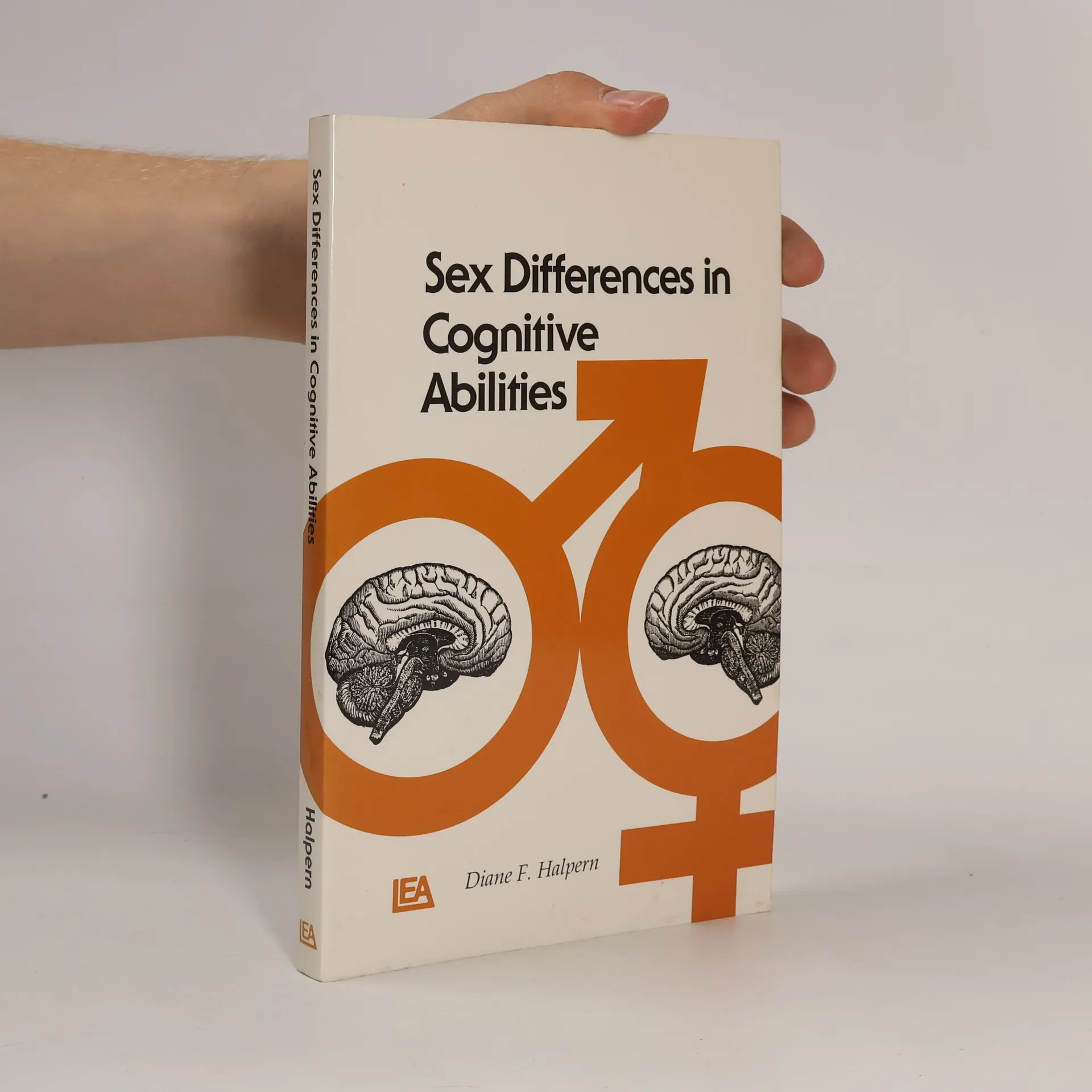
Sex Differences in Cognitive Abilities, Diane F Halpern
- Język

- Rok wydania
- 1986
- Oprawa
- (miękka)
Metody płatności
Nikt jeszcze nie ocenił.
- Tytuł
- Sex Differences in Cognitive Abilities
- Język
- angielski
- Autorzy
- Diane F Halpern
- Wydawca
- Erlbaum Associates
- Rok wydania
- 1986
- Oprawa
- miękka
- Liczba stron
- 189
- ISBN10
- 0898598389
- ISBN13
- 9780898598384
- Seria
- Opis
- The fourth edition critically examines research on cognitive sex differences, aiming to clarify where these differences exist and where they do not. Since the last edition, advancements in neuroscience have reshaped our understanding of the mind and behavior, particularly regarding cognitive sex differences. However, neuroscience is still developing and has sometimes been misapplied to support sex role stereotypes. The book addresses the prevalence of exaggerated and unreplicated claims about cognitive differences, emphasizing the need for rigorous research and a healthy skepticism towards evidence. It acknowledges the complexity of cognitive sex differences and the necessity of viewing issues from multiple perspectives, distinguishing well-supported claims from politicized pseudoscience. The author presents and interprets relevant data fairly, revealing strong support for various viewpoints. The exploration includes factors such as abilities, education, stereotypes, culture, and hormones, while cautioning readers to "mind the gap" between brain structures and behaviors. Ultimately, readers gain insights into how nature and nurture shape our identities, leading to both similarities and differences linked to gender. This edition serves as a valuable textbook or reference for various courses and aims to inspire future researchers. It is essential reading for parents, teachers, and policymakers interested in understanding psychol