

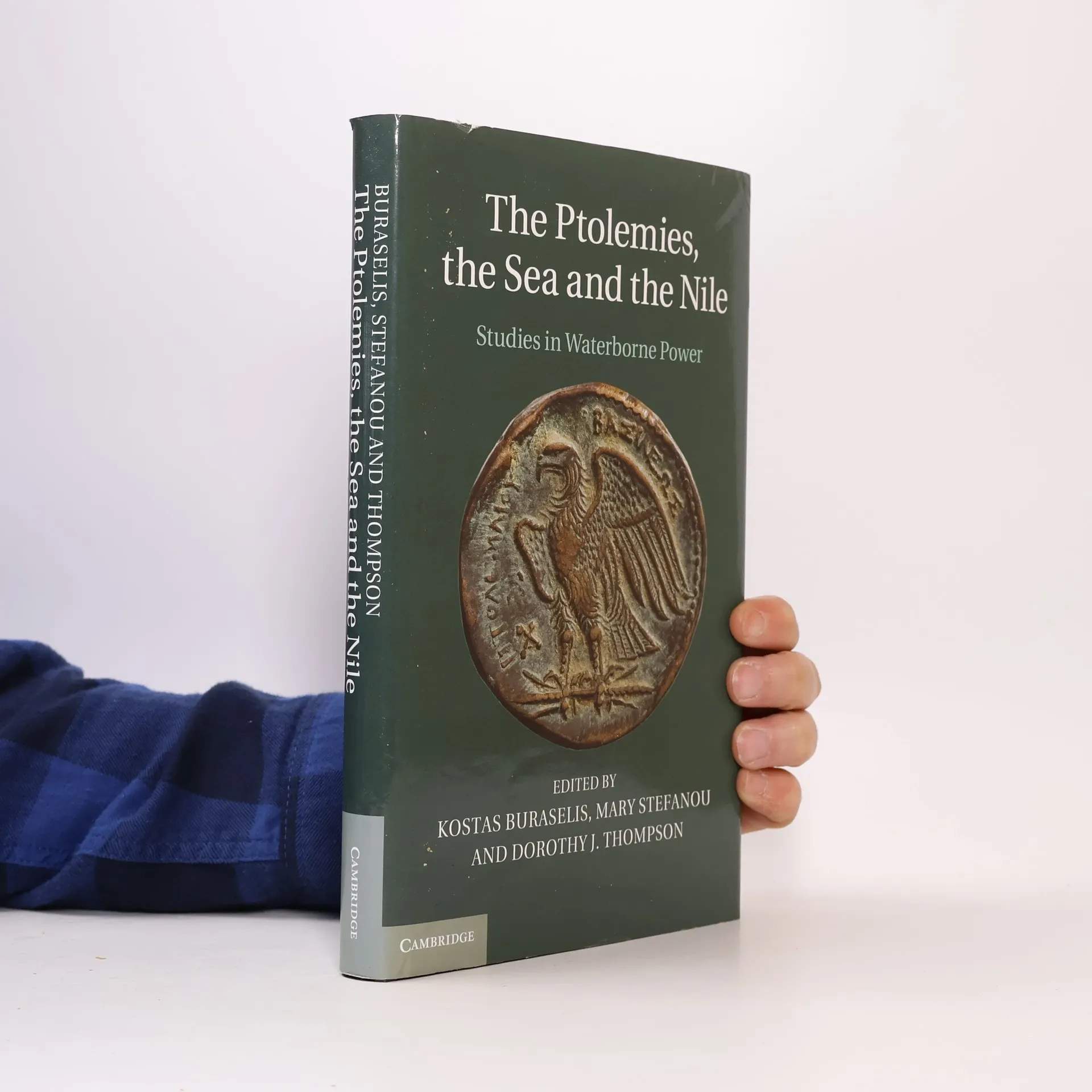

Więcej o książce
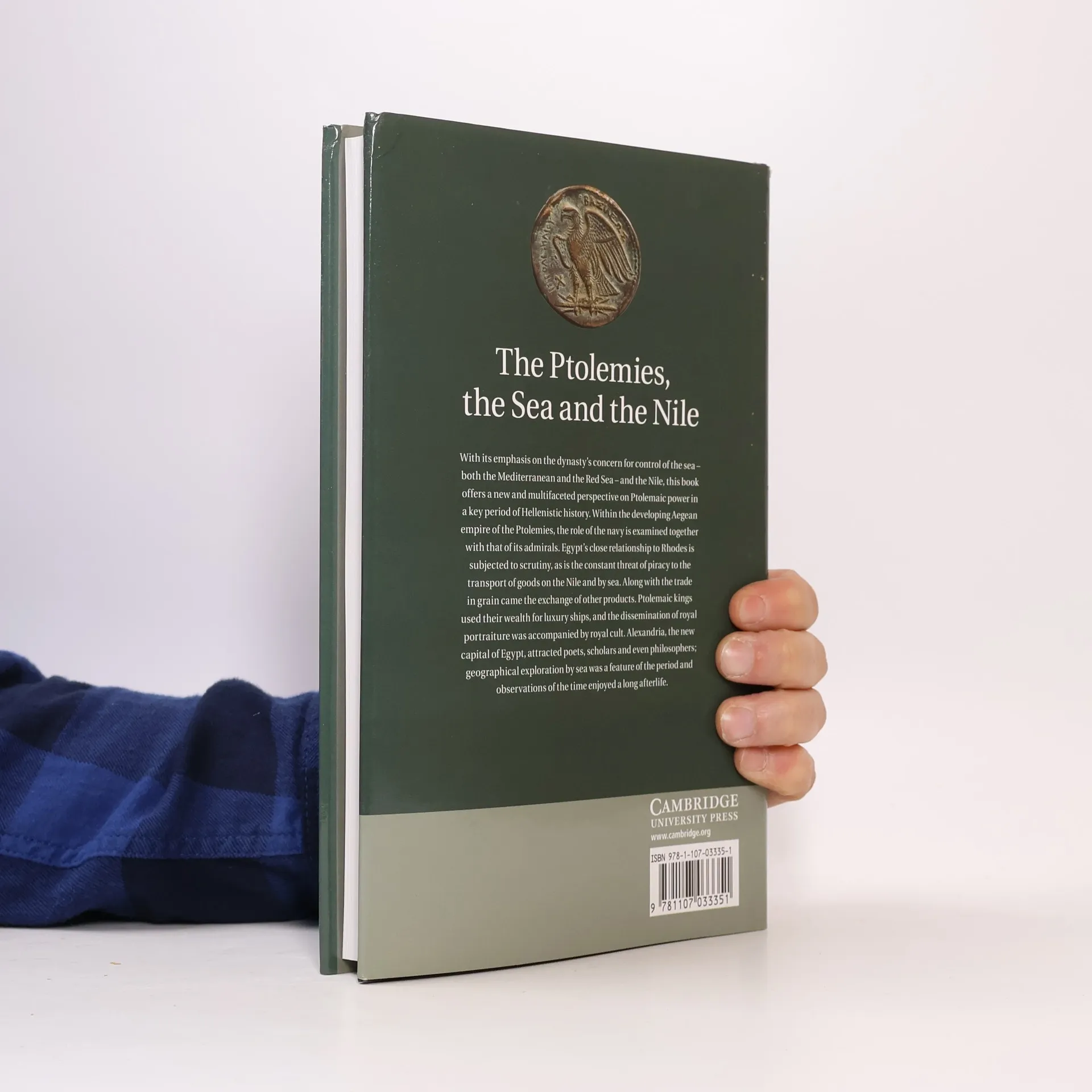
With its emphasis on the dynasty's concern for control of the sea both the Mediterranean and the Red Sea and the Nile, this book offers a new and original perspective on Ptolemaic power in a key period of Hellenistic history. Within the developing Aegean empire of the Ptolemies, the role of the navy is examined together with that of its admirals. Egypt's close relationship to Rhodes is subjected to scrutiny, as is the constant threat of piracy to the transport of goods on the Nile and by sea. Along with the trade in grain came the exchange of other products. Ptolemaic kings used their wealth for luxury ships and the dissemination of royal portraiture was accompanied by royal cult. Alexandria, the new capital of Egypt, attracted poets, scholars and even philosophers; geographical exploration by sea was a feature of the period and observations of the time enjoyed a long afterlife."
Zakup książki
The Ptolemies, the Sea and the Nile, Kostas Buraselis, Mary Stefanou, Dorothy J. Thompson
- Język

- Rok wydania
- 2013
- Oprawa
- (twarda)
Metody płatności
Nikt jeszcze nie ocenił.
- Tytuł
- The Ptolemies, the Sea and the Nile
- Podtytuł
- Studies in Waterborne Power
- Język
- angielski
- Wydawca
- Cambridge University Press
- Rok wydania
- 2013
- Oprawa
- twarda
- Liczba stron
- 294
- ISBN10
- 1107033357
- ISBN13
- 9781107033351
- Seria
- Kategorie
- Opis
- With its emphasis on the dynasty's concern for control of the sea both the Mediterranean and the Red Sea and the Nile, this book offers a new and original perspective on Ptolemaic power in a key period of Hellenistic history. Within the developing Aegean empire of the Ptolemies, the role of the navy is examined together with that of its admirals. Egypt's close relationship to Rhodes is subjected to scrutiny, as is the constant threat of piracy to the transport of goods on the Nile and by sea. Along with the trade in grain came the exchange of other products. Ptolemaic kings used their wealth for luxury ships and the dissemination of royal portraiture was accompanied by royal cult. Alexandria, the new capital of Egypt, attracted poets, scholars and even philosophers; geographical exploration by sea was a feature of the period and observations of the time enjoyed a long afterlife."