

Więcej o książce
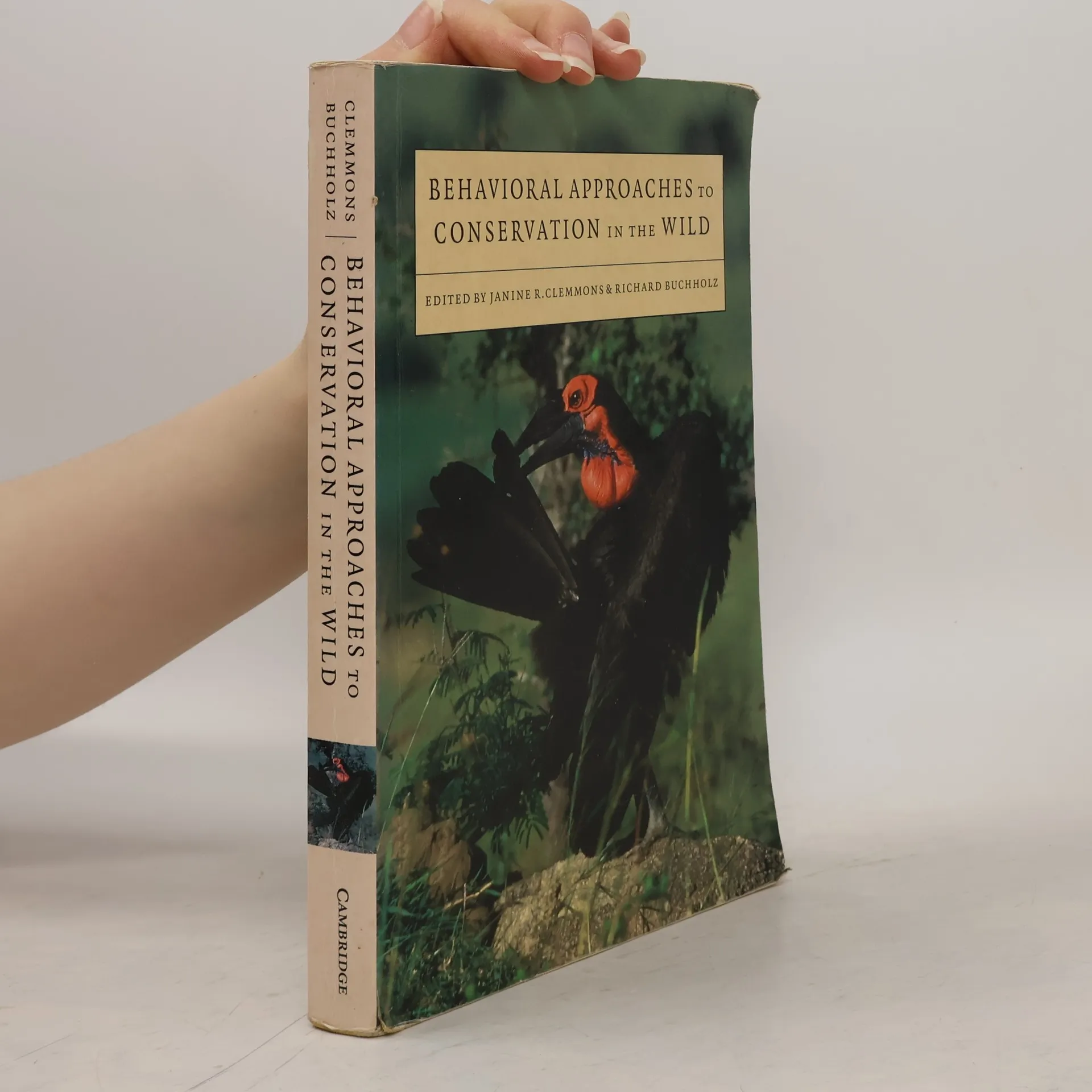
Today's conservation literature emphasizes landscape ecology and population genetics without addressing the behavioral links that enable the long-term survival of populations. This book presents theoretical and practical arguments for considering behavior patterns in attempts to conserve biodiversity. It brings together prominent scientists and wildlife managers to address a number of issues, including the limits and potentials of behavioral research to conservation, the importance of behavioral variation as a component of biodiversity, and the use of animal behavior to solve conservation problems. Throughout, the text provides specific direction for research and management practices. The book is unique in its emphasis on conservation of wild populations as opposed to captive and reintroduced populations, where behavioral research has concentrated in the past.
Zakup książki
Behavioral Approaches to Conservation in the Wild, Janine R. Clemmons, Julius Stinde
- Język

- Rok wydania
- 1997
- Oprawa
- (miękka)
Metody płatności
Nikt jeszcze nie ocenił.
- Tytuł
- Behavioral Approaches to Conservation in the Wild
- Język
- angielski
- Autorzy
- Janine R. Clemmons, Julius Stinde
- Wydawca
- Cambridge University Press
- Rok wydania
- 1997
- Oprawa
- miękka
- Liczba stron
- 404
- ISBN10
- 0521589606
- ISBN13
- 9780521589604
- Seria
- Opis
- Today's conservation literature emphasizes landscape ecology and population genetics without addressing the behavioral links that enable the long-term survival of populations. This book presents theoretical and practical arguments for considering behavior patterns in attempts to conserve biodiversity. It brings together prominent scientists and wildlife managers to address a number of issues, including the limits and potentials of behavioral research to conservation, the importance of behavioral variation as a component of biodiversity, and the use of animal behavior to solve conservation problems. Throughout, the text provides specific direction for research and management practices. The book is unique in its emphasis on conservation of wild populations as opposed to captive and reintroduced populations, where behavioral research has concentrated in the past.