

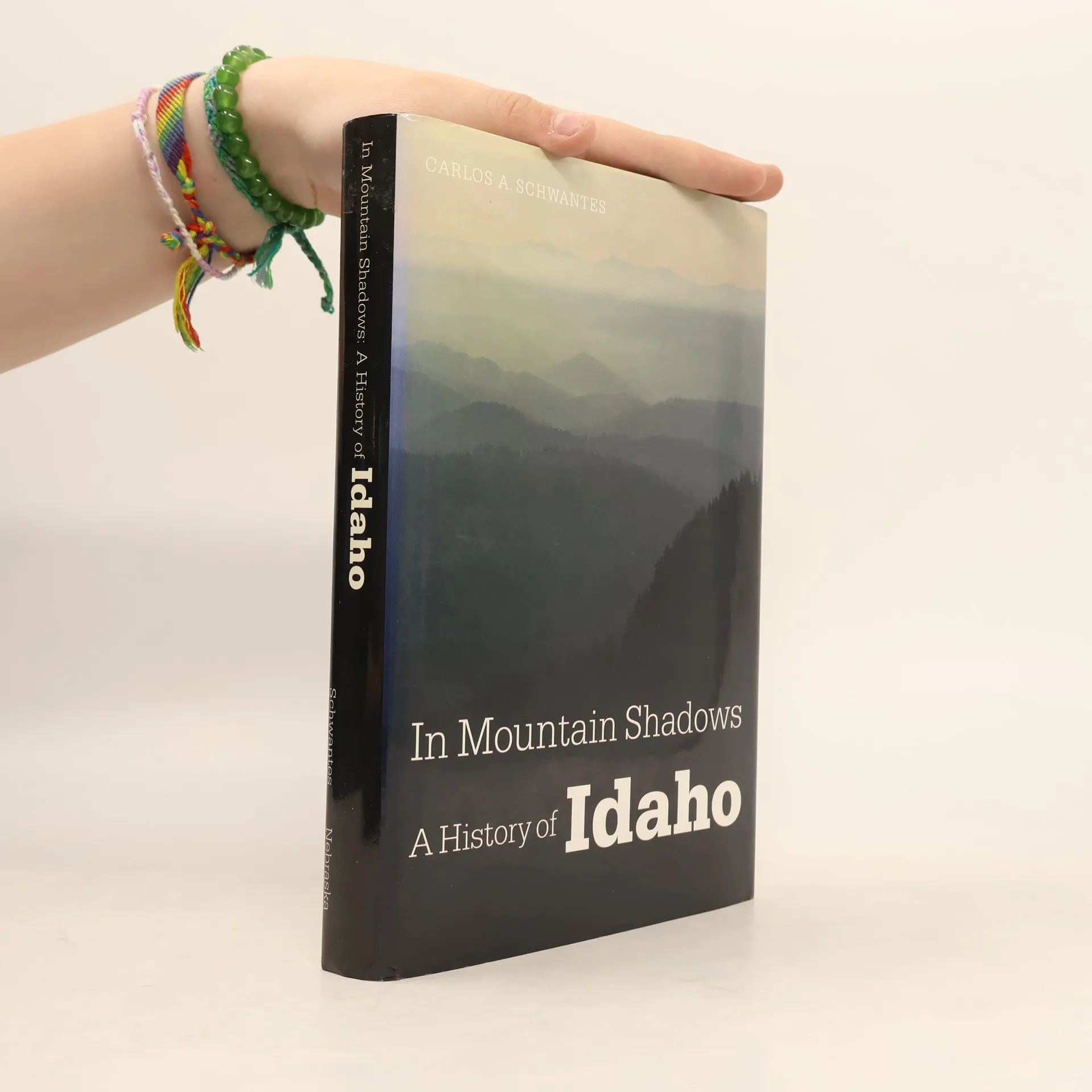


Więcej o książce
Idaho is now recognized as one of the most intriguing states in the Union, a perspective enriched by this expertly crafted history. Carlos A. Schwantes explores the divisions among Idahoans shaped by geography, transportation, religion, and history. He humorously suggests that the state motto could be "Divided We Stand," yet highlights a shared appreciation for avoiding crowds and enjoying life near scenic landscapes. Schwantes traces Idaho's history back to 1805, when Lewis and Clark were among the first white explorers in the region. He details the Indigenous peoples of the Great Basin and Plateau and follows the evolution of the territory from fur traders and missionaries to overland emigrants, culminating in its establishment as a state in 1890. The tumultuous territorial years were marked by vigilantism, Indian wars, and tensions with Mormons and Chinese immigrants, leading to further challenges during statehood, including economic downturns and political unrest. The advent of automobiles promised to reduce isolation, but the challenging terrain hindered the development of infrastructure. Despite these obstacles, Idaho's future was shaped by engineering achievements like irrigation systems and hydroelectric plants. Schwantes' narrative extends through the Great Depression, World War II, and the Cold War, capturing everyday life, notable figures, political and economic cycles, and ongoing trends.
Zakup książki
In Mountain Shadows, Carlos A. Schwantes
- Język

- Rok wydania
- 1991
- Oprawa
- (twarda),
- Stan książki
- Dobry
- Cena
- 21,28 zł
Metody płatności
Nikt jeszcze nie ocenił.
- Tytuł
- In Mountain Shadows
- Podtytuł
- A History of Idaho
- Język
- angielski
- Autorzy
- Carlos A. Schwantes
- Wydawca
- University of Nebraska Press
- Rok wydania
- 1991
- Oprawa
- twarda
- Liczba stron
- 308
- ISBN10
- 0803242131
- ISBN13
- 9780803242135
- Seria
- Opis
- Idaho is now recognized as one of the most intriguing states in the Union, a perspective enriched by this expertly crafted history. Carlos A. Schwantes explores the divisions among Idahoans shaped by geography, transportation, religion, and history. He humorously suggests that the state motto could be "Divided We Stand," yet highlights a shared appreciation for avoiding crowds and enjoying life near scenic landscapes. Schwantes traces Idaho's history back to 1805, when Lewis and Clark were among the first white explorers in the region. He details the Indigenous peoples of the Great Basin and Plateau and follows the evolution of the territory from fur traders and missionaries to overland emigrants, culminating in its establishment as a state in 1890. The tumultuous territorial years were marked by vigilantism, Indian wars, and tensions with Mormons and Chinese immigrants, leading to further challenges during statehood, including economic downturns and political unrest. The advent of automobiles promised to reduce isolation, but the challenging terrain hindered the development of infrastructure. Despite these obstacles, Idaho's future was shaped by engineering achievements like irrigation systems and hydroelectric plants. Schwantes' narrative extends through the Great Depression, World War II, and the Cold War, capturing everyday life, notable figures, political and economic cycles, and ongoing trends.