


Więcej o książce
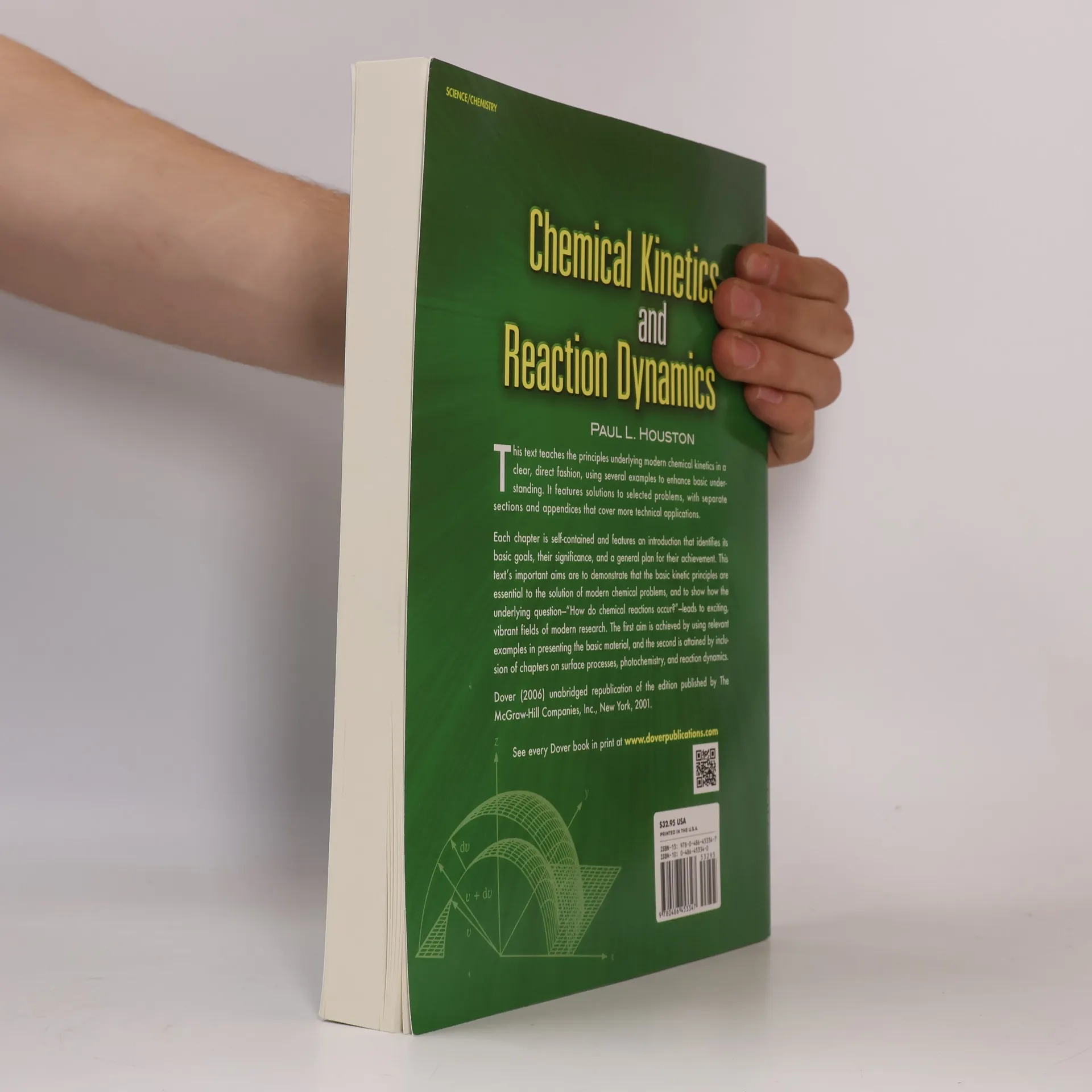
This text teaches the principles underlying modern chemical kinetics in a clear, direct fashion, using several examples to enhance basic understanding. It features solutions to selected problems, with separate sections and appendices that cover more technical applications.Each chapter is self-contained and features an introduction that identifies its basic goals, their significance, and a general plan for their achievement. This text's important aims are to demonstrate that the basic kinetic principles are essential to the solution of modern chemical problems, and to show how the underlying question — "How do chemical reactions occur?" — leads to exciting, vibrant fields of modern research. The first aim is achieved by using relevant examples in presenting the basic material, and the second is attained by inclusion of chapters on surface processes, photochemistry, and reaction dynamics.
Zakup książki
Chemical Kinetics and Reaction Dynamics, Paul L. Houston
- Język

- Rok wydania
- 2006
- Oprawa
- (miękka)
Metody płatności
Nikt jeszcze nie ocenił.
- Tytuł
- Chemical Kinetics and Reaction Dynamics
- Język
- angielski
- Autorzy
- Paul L. Houston
- Wydawca
- DOVER PUBN INC
- Rok wydania
- 2006
- Oprawa
- miękka
- Liczba stron
- 352
- ISBN10
- 0486453340
- ISBN13
- 9780486453347
- Seria
- Opis
- This text teaches the principles underlying modern chemical kinetics in a clear, direct fashion, using several examples to enhance basic understanding. It features solutions to selected problems, with separate sections and appendices that cover more technical applications.Each chapter is self-contained and features an introduction that identifies its basic goals, their significance, and a general plan for their achievement. This text's important aims are to demonstrate that the basic kinetic principles are essential to the solution of modern chemical problems, and to show how the underlying question — "How do chemical reactions occur?" — leads to exciting, vibrant fields of modern research. The first aim is achieved by using relevant examples in presenting the basic material, and the second is attained by inclusion of chapters on surface processes, photochemistry, and reaction dynamics.