

Więcej o książce
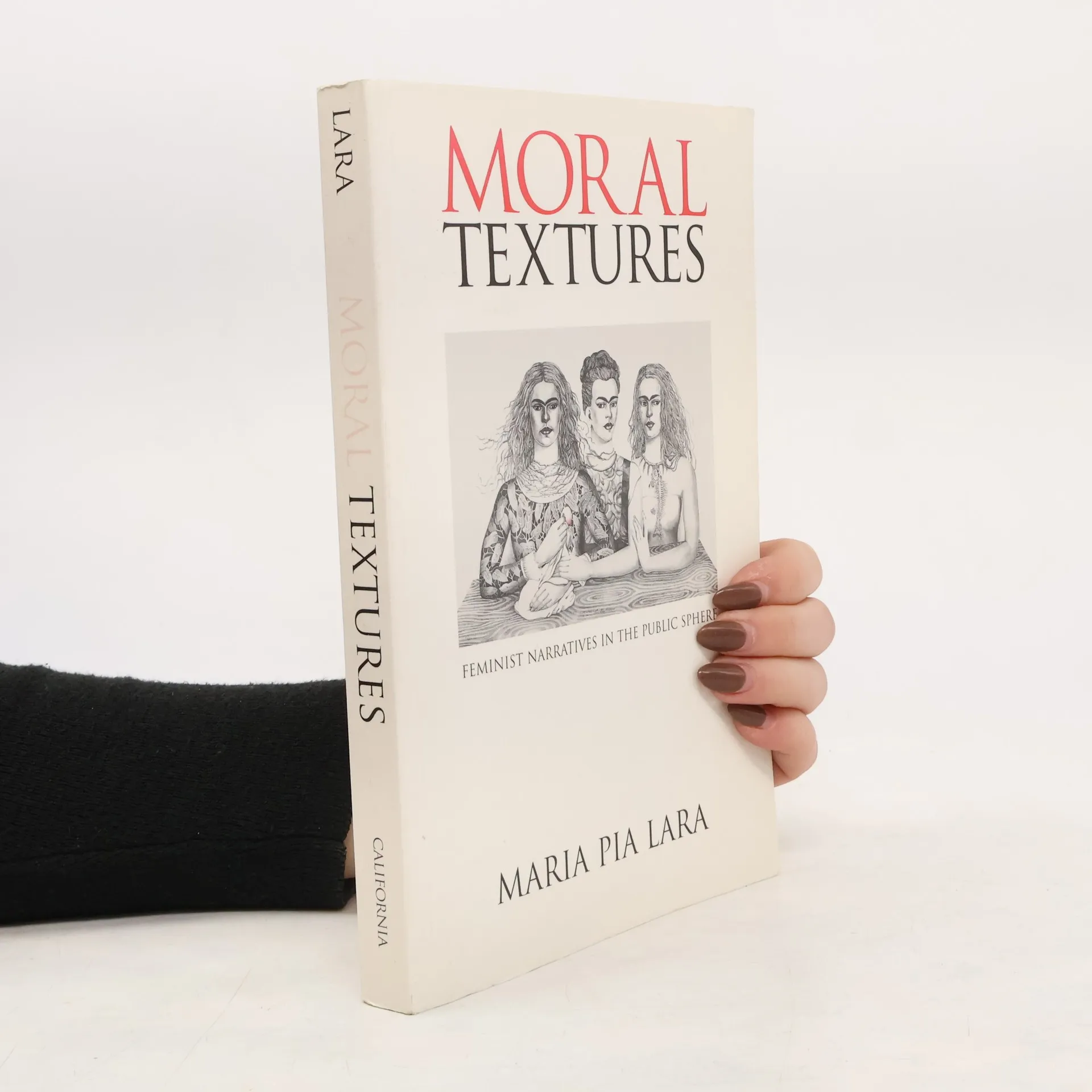
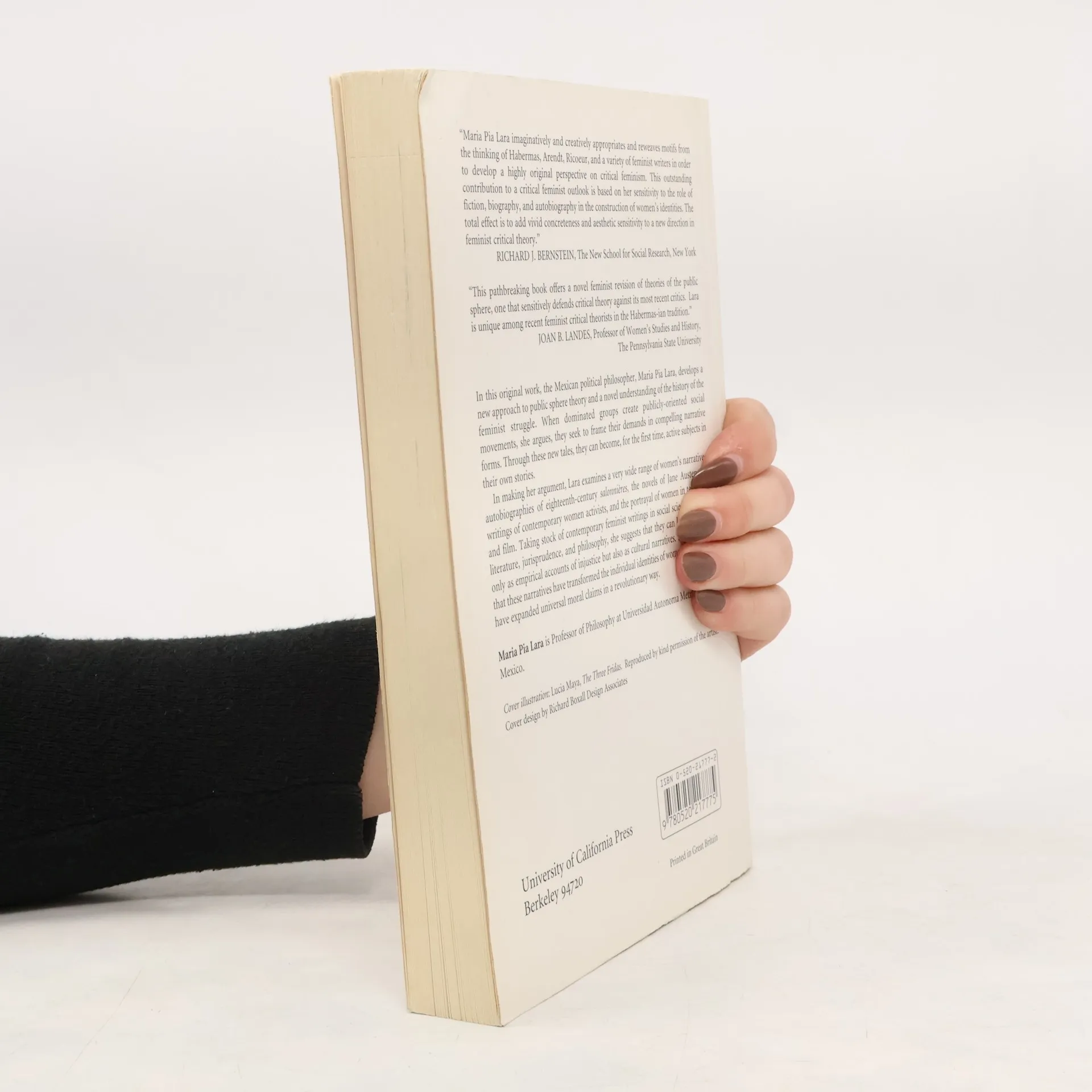
Maria Pia Lara develops a new approach to public sphere theory and a novel understanding of the history of the feminist struggle in this bold, groundbreaking work. When dominated groups create publicly-oriented social movements, she argues, they seek to frame their demands in compelling narrative forms. Through these new tales, they can become, for the first time, active subjects in their own stories.In making her argument, Lara examines a very wide range of women's autobiographies of eighteenth-century salonnières, the novels of Jane Austen, the writings of contemporary women activists, and the portrayal of women in television and film. Taking stock of contemporary feminist writings in social science, history, literature, jurisprudence, and philosophy, she suggests that they can be viewed not only as empirical accounts of injustice but also as cultural narratives. Lara contends that these narratives have transformed the individual identities of women even as they have expanded universal moral claims in a revolutionary way.
Zakup książki
Moral Textures, María Pía Lara
- Język

- Rok wydania
- 1998
- Oprawa
- (miękka)
Metody płatności
Nikt jeszcze nie ocenił.
- Tytuł
- Moral Textures
- Podtytuł
- Feminist Narratives in the Public Sphere
- Język
- angielski
- Autorzy
- María Pía Lara
- Rok wydania
- 1998
- Oprawa
- miękka
- Liczba stron
- 280
- ISBN10
- 0520217772
- ISBN13
- 9780520217775
- Seria
- Tagi
- Kobiety, Feminizm, Ruchy społeczne
- Opis
- Maria Pia Lara develops a new approach to public sphere theory and a novel understanding of the history of the feminist struggle in this bold, groundbreaking work. When dominated groups create publicly-oriented social movements, she argues, they seek to frame their demands in compelling narrative forms. Through these new tales, they can become, for the first time, active subjects in their own stories.In making her argument, Lara examines a very wide range of women's autobiographies of eighteenth-century salonnières, the novels of Jane Austen, the writings of contemporary women activists, and the portrayal of women in television and film. Taking stock of contemporary feminist writings in social science, history, literature, jurisprudence, and philosophy, she suggests that they can be viewed not only as empirical accounts of injustice but also as cultural narratives. Lara contends that these narratives have transformed the individual identities of women even as they have expanded universal moral claims in a revolutionary way.