


Więcej o książce
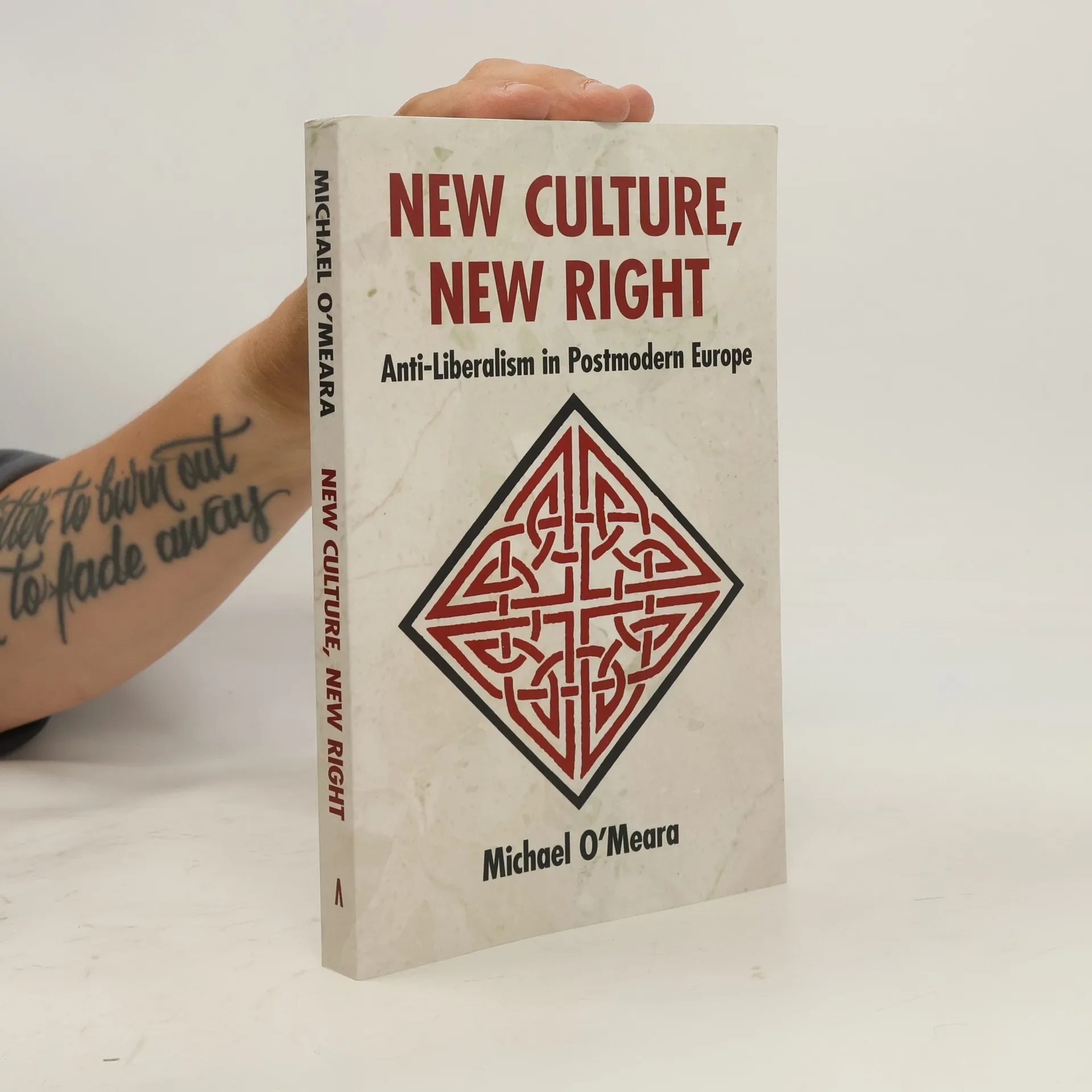
This study is the first English-language examination of the identitarian movements reshaping European politics, focusing on Alain de Benoist's GRECE (Groupement de Recherche et d'Etude pour la Civilisation Europeenne). Described by Paul Piccone of Telos as the most intriguing group of thinkers since the 1950s existentialists, GRECE is viewed as a leading school of contemporary Right-wing thought. Comprising veterans from various nationalist, traditionalist, far Right, and regionalist movements, GRECE began as a collective of French intellectuals dedicated to restoring the cultural foundations of European identity. Its high-quality publications and persuasive reformulation of Rightist ideology quickly garnered attention, attracting numerous Continental thinkers by the late 1970s. Consequently, organizations and publishing houses linked to GRECE or pursuing similar goals emerged across Italy, Germany, Belgium, and other European nations. This diffusion has positioned GRECE-style identitarianism as a primary ideological alternative to prevailing liberalism. The European New Right, born from GRECE, seeks to reappropriate traditional roots, emphasizing the urgency of this return after decades under liberal-democratic regimes. In opposition to perceived ethnocidal forces, New Rightists aim to awaken a spirit of resistance and renaissance among their people, resulting in a formidable critique of the liberal project. Michael O'Meara,
Zakup książki
New Culture, New Right, Michael O'Meara
- Język

- Rok wydania
- 2013
- Oprawa
- (miękka)
Metody płatności
Nikt jeszcze nie ocenił.
- Tytuł
- New Culture, New Right
- Podtytuł
- Anti-Liberalism in Postmodern Europe
- Język
- angielski
- Autorzy
- Michael O'Meara
- Wydawca
- Arktos Media Ltd.
- Rok wydania
- 2013
- Oprawa
- miękka
- Liczba stron
- 294
- ISBN10
- 1907166890
- ISBN13
- 9781907166891
- Seria
- Tagi
- Polityka, Skrajna prawica
- Opis
- This study is the first English-language examination of the identitarian movements reshaping European politics, focusing on Alain de Benoist's GRECE (Groupement de Recherche et d'Etude pour la Civilisation Europeenne). Described by Paul Piccone of Telos as the most intriguing group of thinkers since the 1950s existentialists, GRECE is viewed as a leading school of contemporary Right-wing thought. Comprising veterans from various nationalist, traditionalist, far Right, and regionalist movements, GRECE began as a collective of French intellectuals dedicated to restoring the cultural foundations of European identity. Its high-quality publications and persuasive reformulation of Rightist ideology quickly garnered attention, attracting numerous Continental thinkers by the late 1970s. Consequently, organizations and publishing houses linked to GRECE or pursuing similar goals emerged across Italy, Germany, Belgium, and other European nations. This diffusion has positioned GRECE-style identitarianism as a primary ideological alternative to prevailing liberalism. The European New Right, born from GRECE, seeks to reappropriate traditional roots, emphasizing the urgency of this return after decades under liberal-democratic regimes. In opposition to perceived ethnocidal forces, New Rightists aim to awaken a spirit of resistance and renaissance among their people, resulting in a formidable critique of the liberal project. Michael O'Meara,