

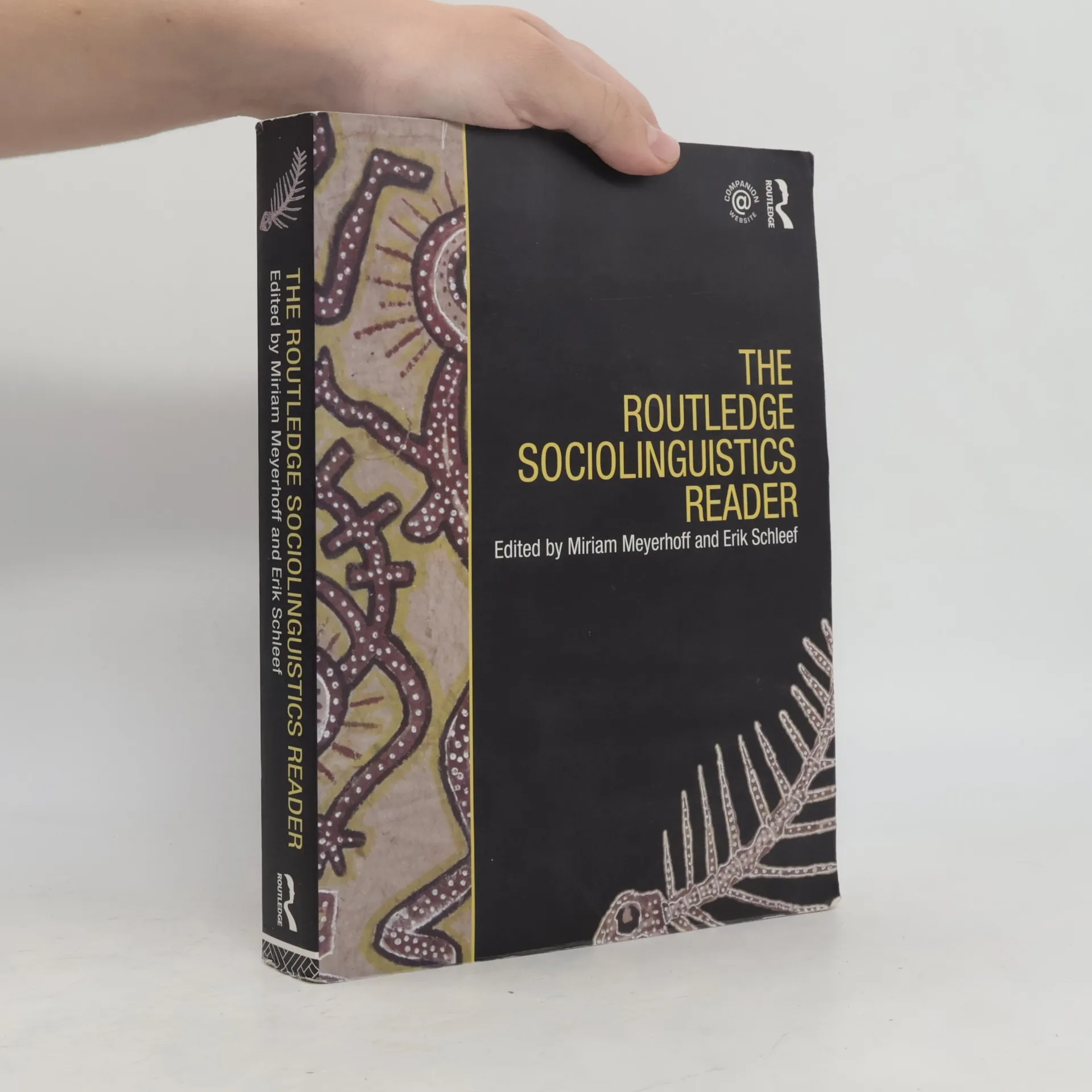
Więcej o książce
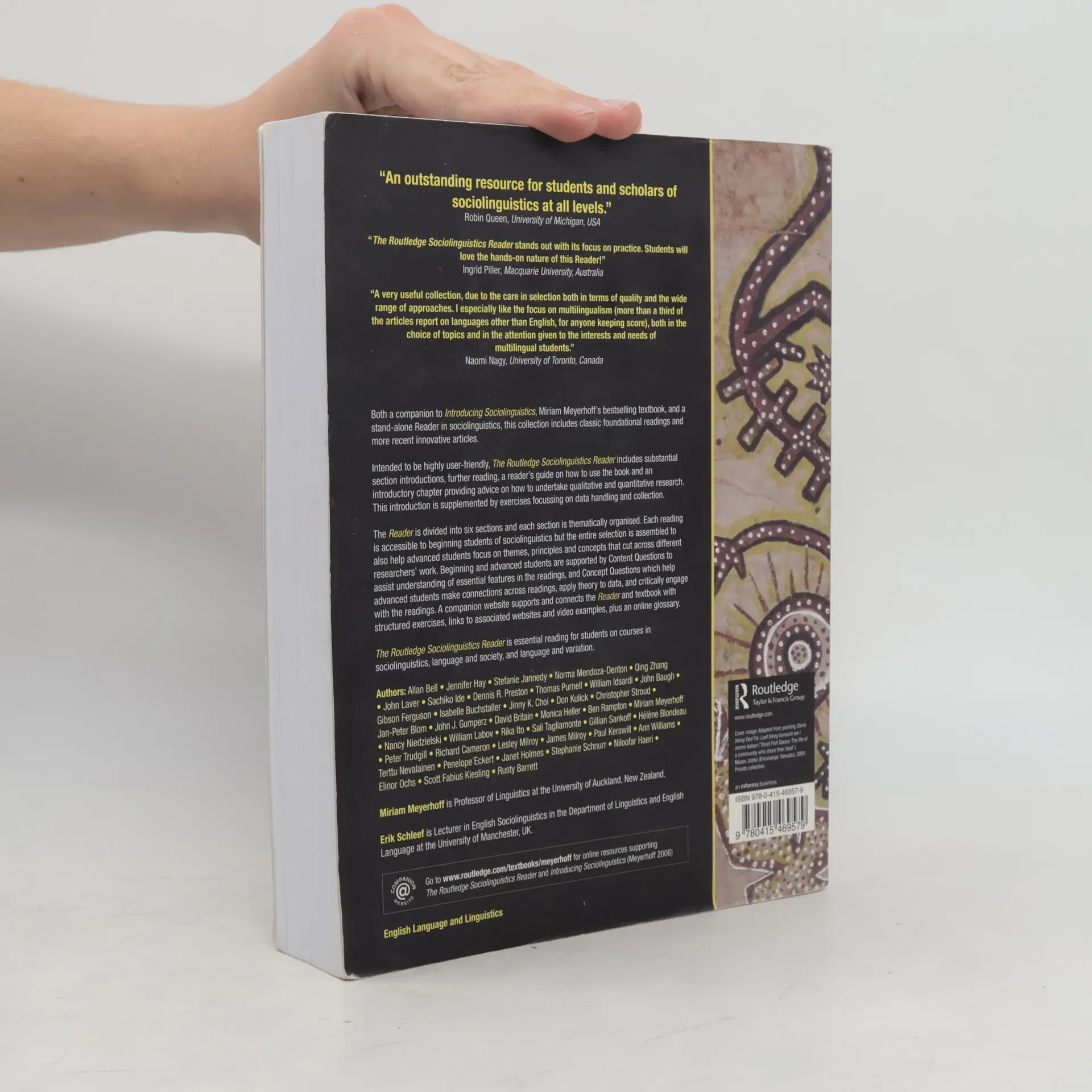
This collection serves as both a companion to a bestselling textbook and a stand-alone Reader in sociolinguistics, featuring classic foundational readings alongside recent innovative articles. Designed for user-friendliness, it includes substantial section introductions, further reading suggestions, a reader's guide, and an introductory chapter on qualitative and quantitative research methods, complemented by exercises on data handling and collection. The Reader is organized into six thematically structured sections, making it accessible for beginners while also aiding advanced students in exploring themes, principles, and concepts across various researchers' works. Content Questions support understanding of essential reading features, while Concept Questions encourage advanced students to connect readings, apply theory to data, and engage critically. An accompanying website enhances the experience with structured exercises, links to related resources, video examples, and an online glossary. This Reader is essential for students studying sociolinguistics, language and society, and language variation. For additional resources, visit the provided website.
Zakup książki
The Routledge Sociolinguistics Reader, Miriam Meyerhoff, Erik Schleef
- Język

- Rok wydania
- 2010
- Oprawa
- (miękka)
Metody płatności
Nikt jeszcze nie ocenił.
- Tytuł
- The Routledge Sociolinguistics Reader
- Język
- angielski
- Autorzy
- Miriam Meyerhoff, Erik Schleef
- Wydawca
- Routledge
- Rok wydania
- 2010
- Oprawa
- miękka
- Liczba stron
- 584
- ISBN10
- 0415469570
- ISBN13
- 9780415469579
- Seria
- Opis
- This collection serves as both a companion to a bestselling textbook and a stand-alone Reader in sociolinguistics, featuring classic foundational readings alongside recent innovative articles. Designed for user-friendliness, it includes substantial section introductions, further reading suggestions, a reader's guide, and an introductory chapter on qualitative and quantitative research methods, complemented by exercises on data handling and collection. The Reader is organized into six thematically structured sections, making it accessible for beginners while also aiding advanced students in exploring themes, principles, and concepts across various researchers' works. Content Questions support understanding of essential reading features, while Concept Questions encourage advanced students to connect readings, apply theory to data, and engage critically. An accompanying website enhances the experience with structured exercises, links to related resources, video examples, and an online glossary. This Reader is essential for students studying sociolinguistics, language and society, and language variation. For additional resources, visit the provided website.