

Więcej o książce
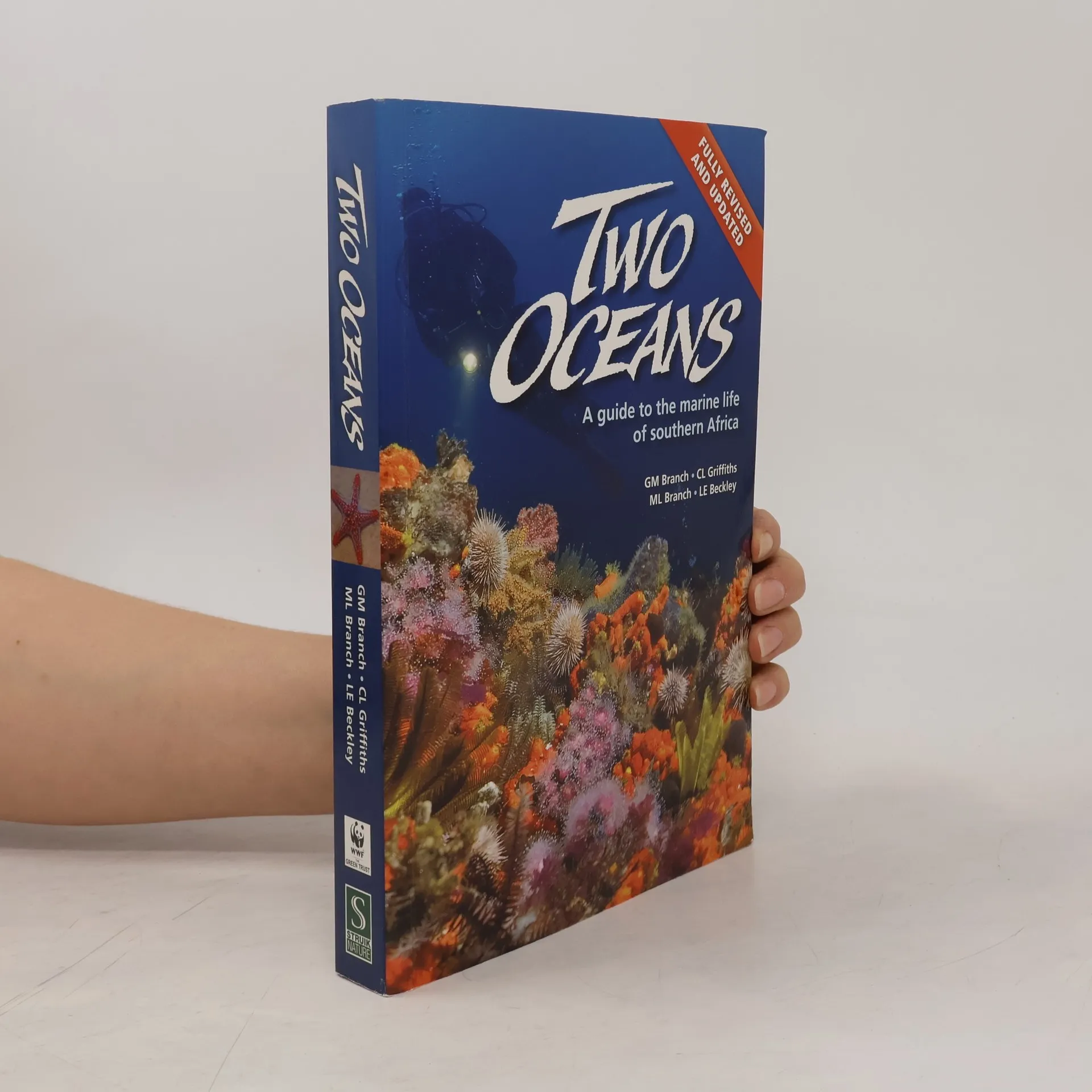
This unrivalled field guide covers over 1,400 species of the most common forms of marine life that inhabit our coasts including the invertebrates, fish, reptiles, mammals birds and plants. The book documents a selection of these, concentrating on the most frequently encountered species that live in the intertidal zone and in shallow subtidal waters that can readily be explored by scuba-divers. There is a particular focus on open-coast beaches and rocky shores, and aquatic estuarine animals and plants are also covered. Fish that are commonly seen in tidal pools or by divers, or those frequently caught by angers are included, as are smaller rock-pool fish. It will meet the needs of scientists, students, fishermen, scuba-divers and beachcombers alike, encapsulating current knowledge and enabling the identification of diverse species, from sponges to whales and from seaweeds to mangroves.
Zakup książki
Two Oceans, George M. Branch, Charles Llewellyn Griffiths, M. L. Branch, L.E. Beckley
- Język

- Rok wydania
- 2010
- Oprawa
- (miękka)
Metody płatności
Nikt jeszcze nie ocenił.
- Tytuł
- Two Oceans
- Podtytuł
- A Guide to Marine Life of Southern Africa - Fully Revised and Updated
- Język
- angielski
- Rok wydania
- 2010
- Oprawa
- miękka
- Liczba stron
- 456
- ISBN10
- 1770077723
- ISBN13
- 9781770077720
- Seria
- Kategorie
- Opis
- This unrivalled field guide covers over 1,400 species of the most common forms of marine life that inhabit our coasts including the invertebrates, fish, reptiles, mammals birds and plants. The book documents a selection of these, concentrating on the most frequently encountered species that live in the intertidal zone and in shallow subtidal waters that can readily be explored by scuba-divers. There is a particular focus on open-coast beaches and rocky shores, and aquatic estuarine animals and plants are also covered. Fish that are commonly seen in tidal pools or by divers, or those frequently caught by angers are included, as are smaller rock-pool fish. It will meet the needs of scientists, students, fishermen, scuba-divers and beachcombers alike, encapsulating current knowledge and enabling the identification of diverse species, from sponges to whales and from seaweeds to mangroves.