

Parametry
- 277 stron
- 10 godzin czytania
Więcej o książce
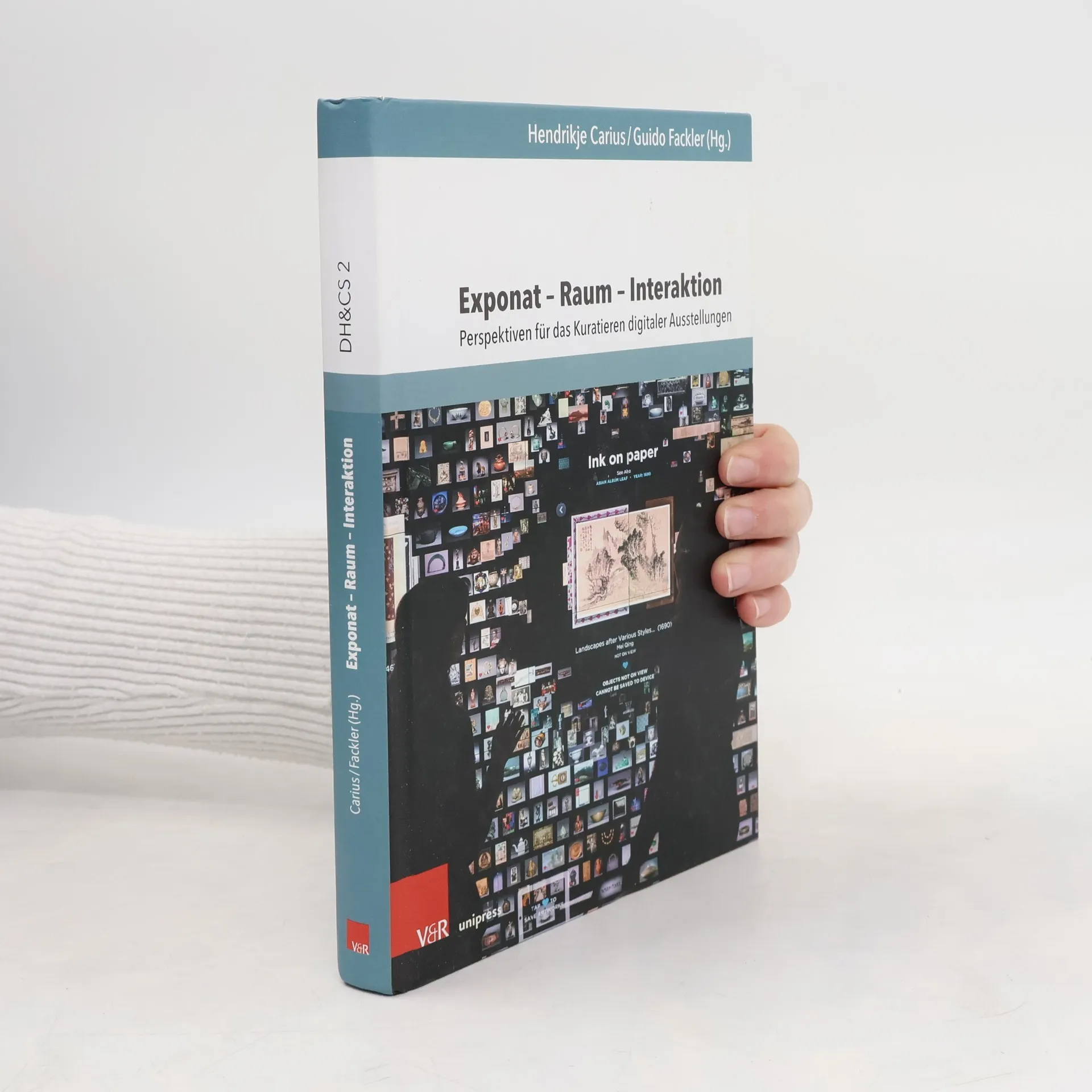
Digital exhibitions have been firmly established in archives, libraries, museums and research institutions as a way to present and communicate topics, digital exhibits and collections. Under the impression of fluid definitions and the specific conditions of institutions and exhibitions, digital exhibition practice ranges between approaches that are oriented towards the classical exhibition tradition or aim for a consistent new conception under the digital paradigm. This volume brings together the diverse, primarily practice-oriented, but also research-based and methodological approaches to this dynamically developing medium. The focus of attention will be on the object and its role as well as its specific quality as a digital exhibit and the potential of multimedia exhibition design in digital space. In addition, the expectations of recipients in the digital world as well as digital strategies and educational concepts for digital exhibitions will be explored, applying the results of the museum's audience research. The volume is a contribution to interdisciplinary exchange in the field of digital exhibition curating.
Zakup książki
DH&CS - 2: Exponat - Raum - Interaktion, Hendrikje Carius, Guido Fackler
- Język

- Rok wydania
- 2021
- Oprawa
- (twarda)
Metody płatności
Nikt jeszcze nie ocenił.
- Tytuł
- DH&CS - 2: Exponat - Raum - Interaktion
- Podtytuł
- Perspektiven für das Kuratieren digitaler Ausstellungen
- Język
- niemiecki
- Autorzy
- Hendrikje Carius, Guido Fackler
- Rok wydania
- 2021
- Oprawa
- twarda
- Liczba stron
- 277
- ISBN10
- 3847112589
- ISBN13
- 9783847112587
- Seria
- Kategorie
- Opis
- Digital exhibitions have been firmly established in archives, libraries, museums and research institutions as a way to present and communicate topics, digital exhibits and collections. Under the impression of fluid definitions and the specific conditions of institutions and exhibitions, digital exhibition practice ranges between approaches that are oriented towards the classical exhibition tradition or aim for a consistent new conception under the digital paradigm. This volume brings together the diverse, primarily practice-oriented, but also research-based and methodological approaches to this dynamically developing medium. The focus of attention will be on the object and its role as well as its specific quality as a digital exhibit and the potential of multimedia exhibition design in digital space. In addition, the expectations of recipients in the digital world as well as digital strategies and educational concepts for digital exhibitions will be explored, applying the results of the museum's audience research. The volume is a contribution to interdisciplinary exchange in the field of digital exhibition curating.