

Więcej o książce
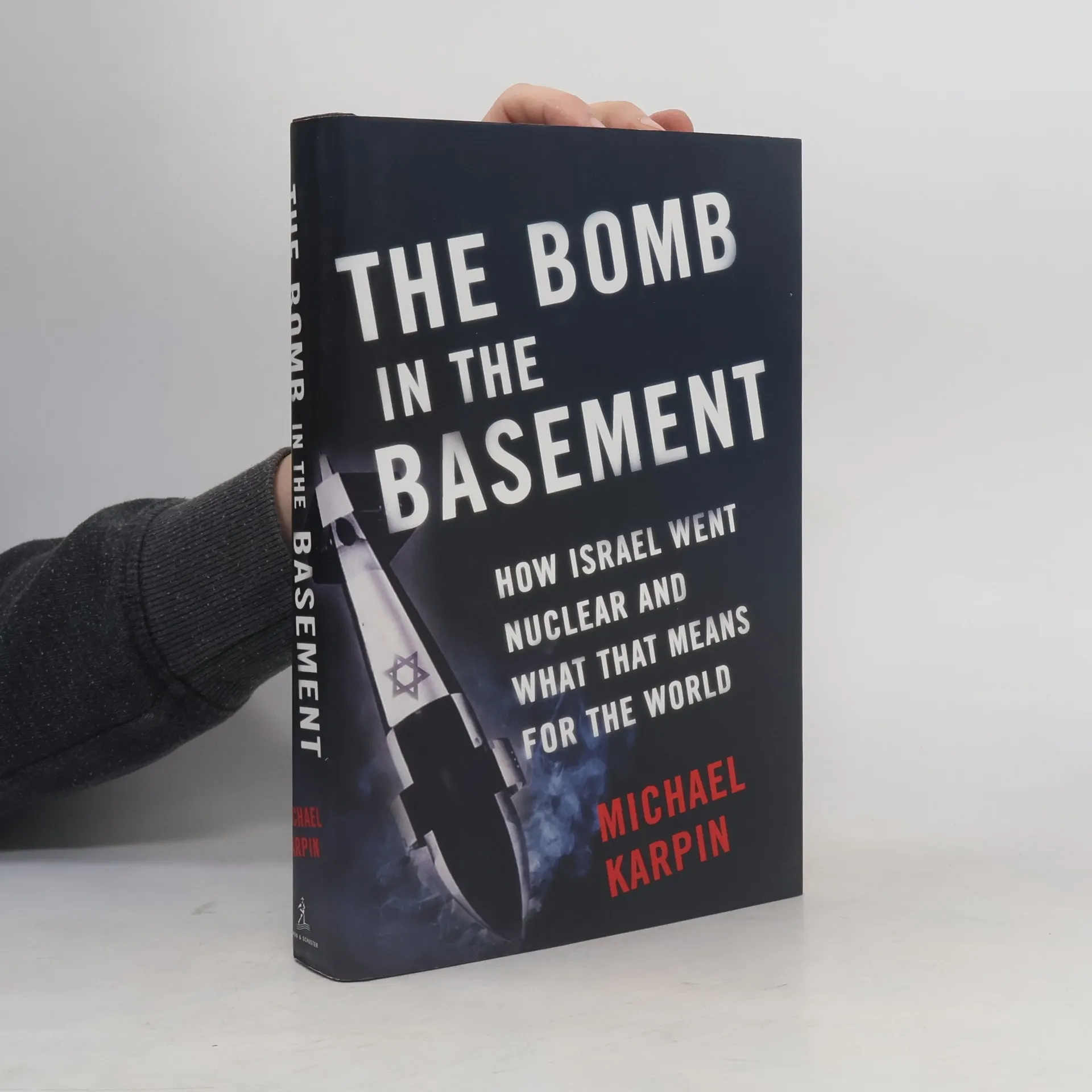
THE BOMB IN THE BASEMENT narrates how Israel became the Middle East's sole nuclear power while maintaining secrecy, unlike Iraq and Iran. Veteran journalist Michael Karpin details Israel's journey, initiated by David Ben-Gurion's recognition of the need for atomic capability to counter the numerical superiority of Arab armies. Early on, Israel relied on French support until President Charles de Gaulle curtailed cooperation. The revelation of Israel's nuclear program strained U.S.-Israel relations, with the Kennedy administration opposing it and Lyndon Johnson offering only tacit approval. A shift occurred under President Nixon and Secretary of State Kissinger, who recognized that a nuclear-armed Israel was a strategic asset for the West. Nixon stopped pressuring Israel to join the Nuclear Non-Proliferation Treaty and ceased U.S. surveillance of the Dimona reactor. In return, Israel agreed to maintain ambiguity regarding its nuclear capabilities, a policy that persists today. Without American backing and the support of North American Jews, Israel's nuclear ambitions would not have been realized. This compelling narrative involves scientists, politicians, spies, and key international figures whose actions continue to influence the geopolitics of a volatile region. The ongoing question remains whether Israel will allow Iran to develop a nuclear bomb that could threaten its security.
Zakup książki
The Bomb in the Basement, Michael I. Karpin
- Język

- Rok wydania
- 2006
- Oprawa
- (twarda)
Metody płatności
Nikt jeszcze nie ocenił.
- Tytuł
- The Bomb in the Basement
- Podtytuł
- How Israel Went Nuclear and What That Means for the World
- Język
- angielski
- Autorzy
- Michael I. Karpin
- Wydawca
- Simon & Schuster
- Rok wydania
- 2006
- Oprawa
- twarda
- Liczba stron
- 404
- ISBN10
- 0743265947
- ISBN13
- 9780743265942
- Seria
- Tagi
- Polityka, Izrael, Geopolityka, Broń jądrowa
- Opis
- THE BOMB IN THE BASEMENT narrates how Israel became the Middle East's sole nuclear power while maintaining secrecy, unlike Iraq and Iran. Veteran journalist Michael Karpin details Israel's journey, initiated by David Ben-Gurion's recognition of the need for atomic capability to counter the numerical superiority of Arab armies. Early on, Israel relied on French support until President Charles de Gaulle curtailed cooperation. The revelation of Israel's nuclear program strained U.S.-Israel relations, with the Kennedy administration opposing it and Lyndon Johnson offering only tacit approval. A shift occurred under President Nixon and Secretary of State Kissinger, who recognized that a nuclear-armed Israel was a strategic asset for the West. Nixon stopped pressuring Israel to join the Nuclear Non-Proliferation Treaty and ceased U.S. surveillance of the Dimona reactor. In return, Israel agreed to maintain ambiguity regarding its nuclear capabilities, a policy that persists today. Without American backing and the support of North American Jews, Israel's nuclear ambitions would not have been realized. This compelling narrative involves scientists, politicians, spies, and key international figures whose actions continue to influence the geopolitics of a volatile region. The ongoing question remains whether Israel will allow Iran to develop a nuclear bomb that could threaten its security.