

Więcej o książce
The topic of memory has gained significant attention recently, driven by anniversaries and commemorations of events like the Holocaust and the Second World War, which continue to spark debate about their meanings and relevance today. In Germany and France, the contested memories and representations of this era have become central to their political cultures. Similarly, France’s recollections of decolonization still influence its political landscape. This work introduces the concept of 'vectors' of memory to explore the conduits of memorial activity, examining various vectors such as historiography, war crimes trials, novels, and films that have shaped public discourse in what is termed an era of 'commemorative obsession.' Rather than merely summarizing developments, the author delves into the identity politics expressed through these mediums. The investigation critically engages with concepts like 'sites of memory,' 'testimony,' and 'trauma' within historical, legal, and representational contexts. With its interdisciplinary approach, bridging historiographical and cultural analysis, this book is relevant to students and scholars of history, cultural and media studies, French and German political culture, Holocaust studies, and postcolonialism.
Zakup książki
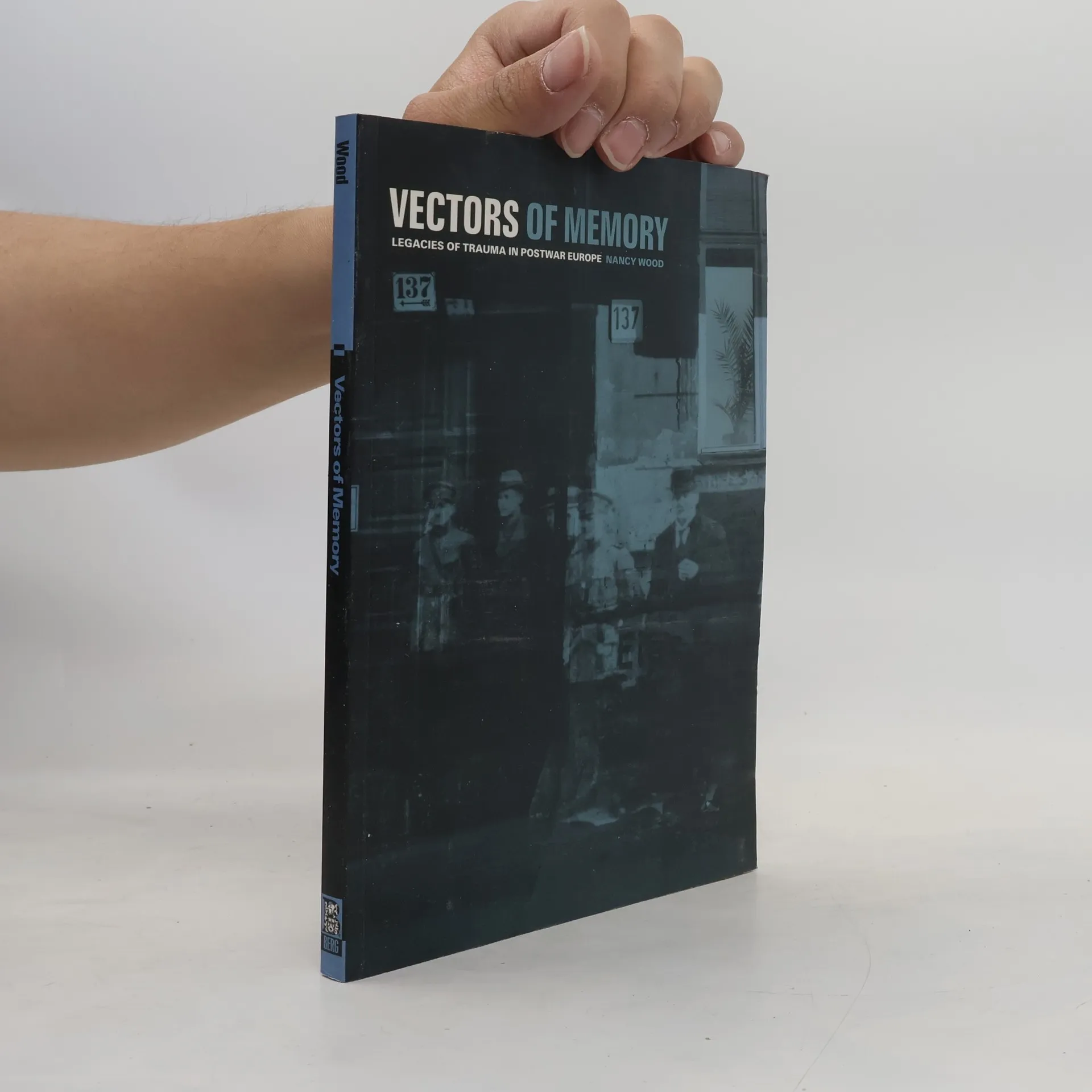
Vectors of Memory, Nancy Wood
- Język

- Rok wydania
- 1999
- Oprawa
- (miękka)
Metody płatności
Nikt jeszcze nie ocenił.
- Tytuł
- Vectors of Memory
- Podtytuł
- Legacies of Trauma in Postwar Europe
- Język
- angielski
- Autorzy
- Nancy Wood
- Wydawca
- Berg Publishers
- Rok wydania
- 1999
- Oprawa
- miękka
- Liczba stron
- 224
- ISBN10
- 1859732941
- ISBN13
- 9781859732946
- Seria
- Opis
- The topic of memory has gained significant attention recently, driven by anniversaries and commemorations of events like the Holocaust and the Second World War, which continue to spark debate about their meanings and relevance today. In Germany and France, the contested memories and representations of this era have become central to their political cultures. Similarly, France’s recollections of decolonization still influence its political landscape. This work introduces the concept of 'vectors' of memory to explore the conduits of memorial activity, examining various vectors such as historiography, war crimes trials, novels, and films that have shaped public discourse in what is termed an era of 'commemorative obsession.' Rather than merely summarizing developments, the author delves into the identity politics expressed through these mediums. The investigation critically engages with concepts like 'sites of memory,' 'testimony,' and 'trauma' within historical, legal, and representational contexts. With its interdisciplinary approach, bridging historiographical and cultural analysis, this book is relevant to students and scholars of history, cultural and media studies, French and German political culture, Holocaust studies, and postcolonialism.