

Więcej o książce
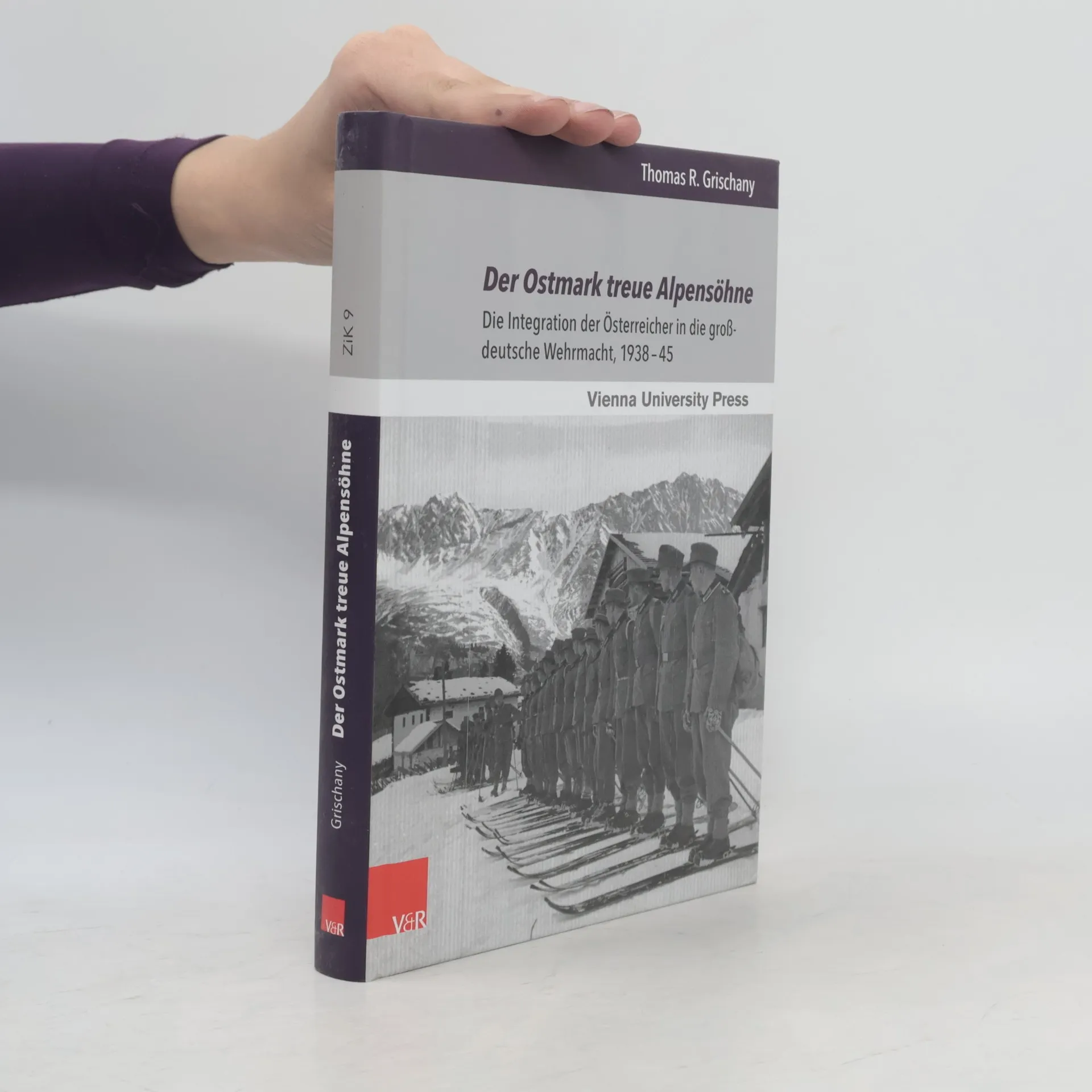
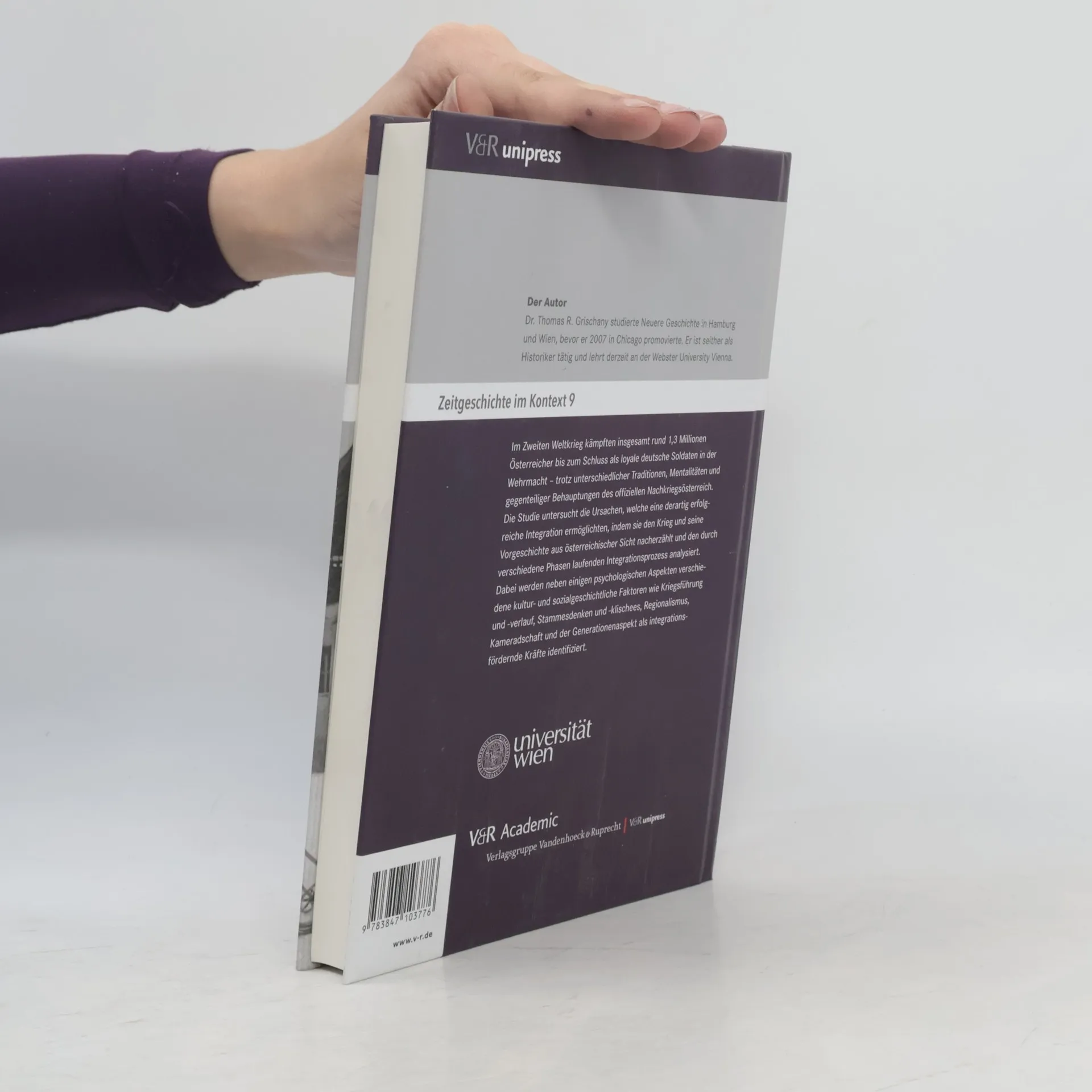
During World War II, approximately 1.3 million Austrian men fought in the German Wehrmacht, as loyal soldiers of the Greater German Reich to the very end, despite having traditions and characteristics clearly distinguishable from their comrades-in-arms. Based on archival sources and interviews with former veterans, this study examines the factors which made such a remarkable integration possible by retelling World War II from the Austrian soldiers’ perspective. It identifies a broad spectrum of factors which contributed to their successful continuous assimilation in the Wehrmacht, such as the particularities of the specific war itself, aspects of German nationalism, the positive portrayal of Austrians as members of the Greater German community, the binding nature of such intense shared experiences, and the simple fact that by the end of the war, the vast majority of soldiers were youths socialized under the Third Reich.
Zakup książki
Der Ostmark treue Alpensöhne, Thomas R. Grischany
- Język

- Rok wydania
- 2015
- Oprawa
- (twarda)
Metody płatności
Nikt jeszcze nie ocenił.
- Tytuł
- Der Ostmark treue Alpensöhne
- Język
- niemiecki
- Autorzy
- Thomas R. Grischany
- Rok wydania
- 2015
- Oprawa
- twarda
- Liczba stron
- 346
- ISBN10
- 3847103776
- ISBN13
- 9783847103776
- Seria
- Kategorie
- Opis
- During World War II, approximately 1.3 million Austrian men fought in the German Wehrmacht, as loyal soldiers of the Greater German Reich to the very end, despite having traditions and characteristics clearly distinguishable from their comrades-in-arms. Based on archival sources and interviews with former veterans, this study examines the factors which made such a remarkable integration possible by retelling World War II from the Austrian soldiers’ perspective. It identifies a broad spectrum of factors which contributed to their successful continuous assimilation in the Wehrmacht, such as the particularities of the specific war itself, aspects of German nationalism, the positive portrayal of Austrians as members of the Greater German community, the binding nature of such intense shared experiences, and the simple fact that by the end of the war, the vast majority of soldiers were youths socialized under the Third Reich.