


Więcej o książce
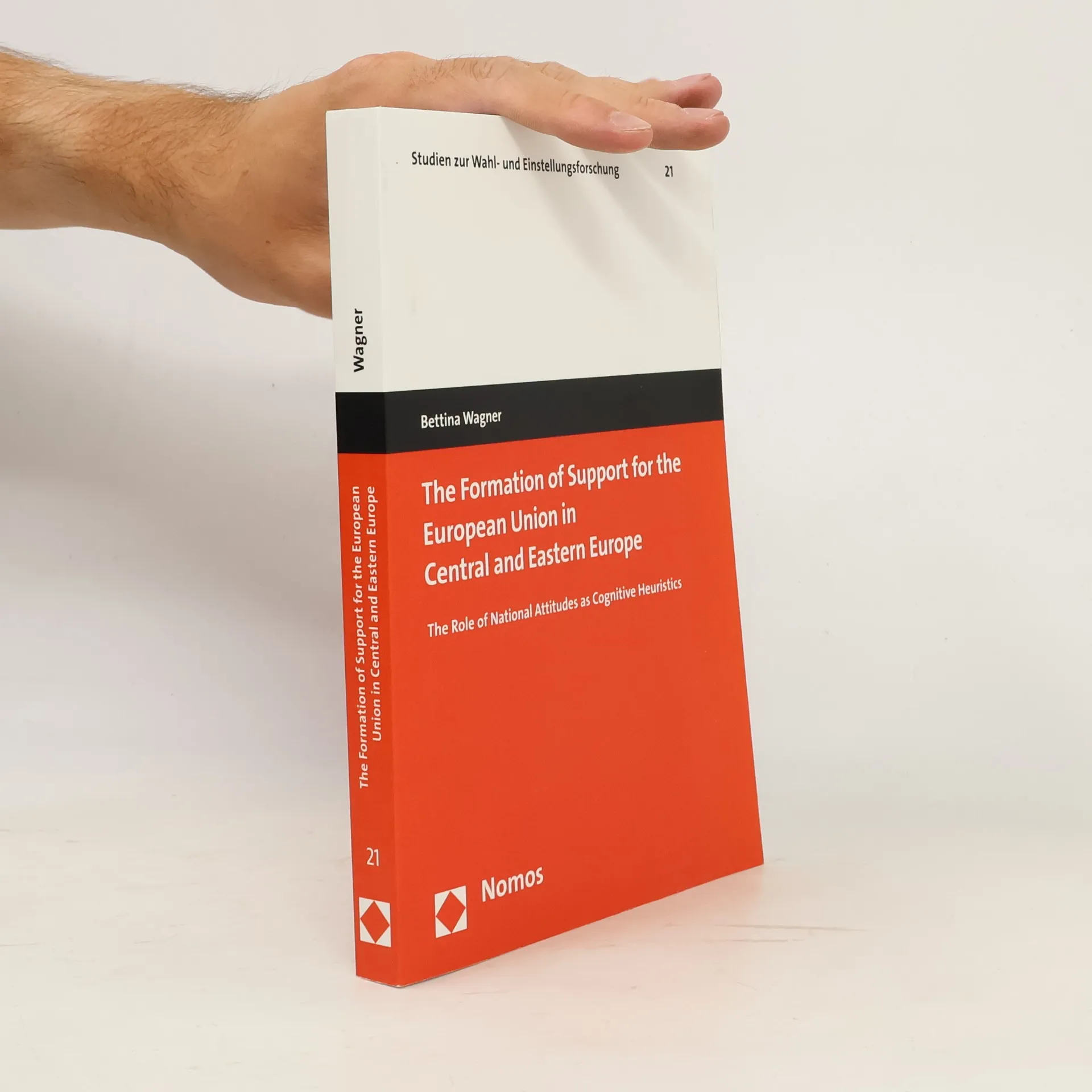
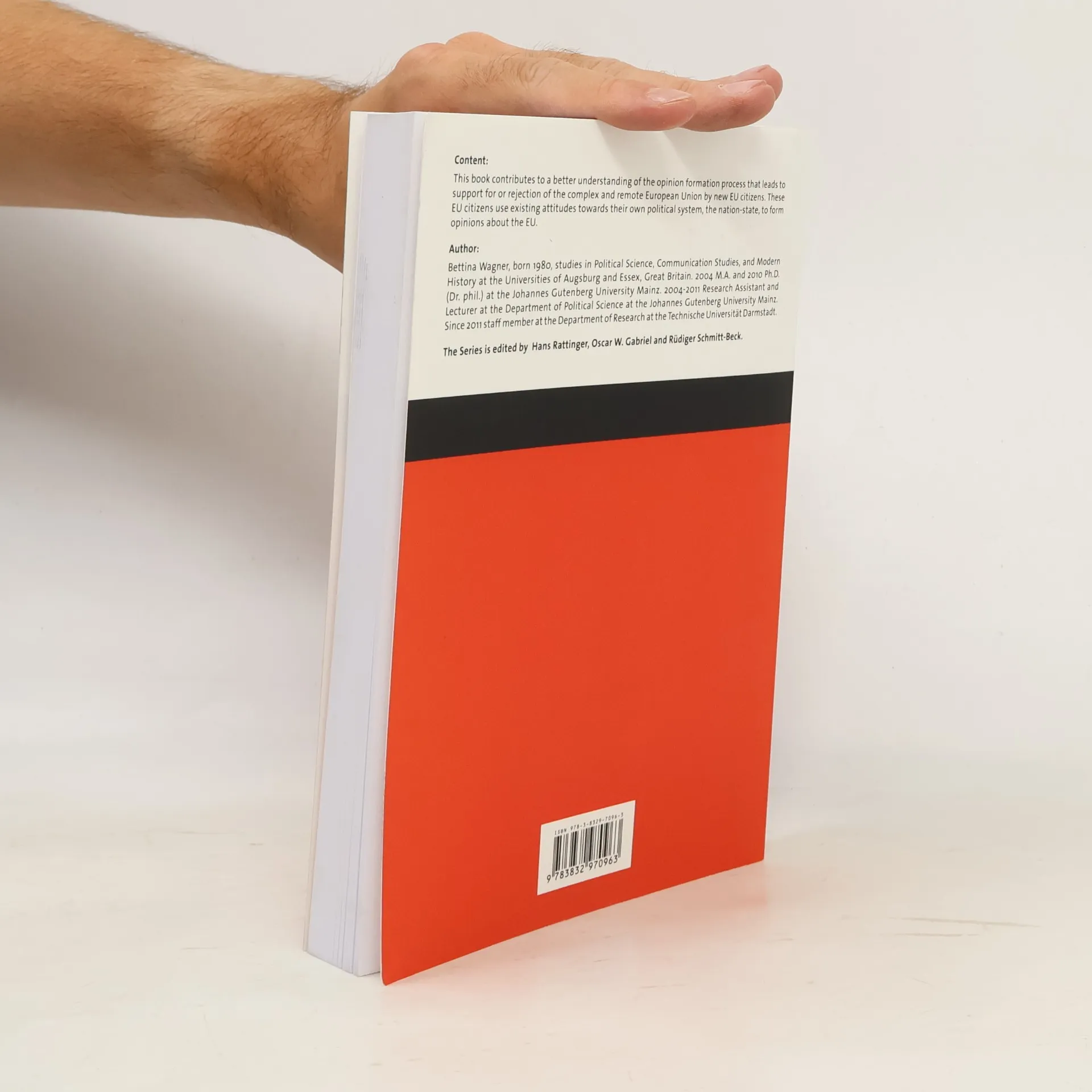
Why do citizens from Central and Eastern Europe support or reject the European Union? It is unlikely that general evaluations of the EU emerge solely from attitudes towards the EU. This is because the EU is a remote and complex political system, especially for citizens from new EU member states. This book identifies and analyzes the opinion formation process that leads to support for or rejection of the EU by Central and Eastern European citizens. A theoretical model is developed on the basis of findings from research on EU support and cognitive psychology. This model is tested empirically using survey data. The results show that citizens use cognitive heuristics when they are asked to evaluate the EU. They rely on existent attitudes towards their own familiar political system, the nation-state, to form opinions about the EU.
Zakup książki
The Formation of Support for the European Union in Central and Eastern Europe, Bettina Wagner-Bergelt
- Język

- Rok wydania
- 2012
- Oprawa
- (miękka),
- Stan książki
- Dobry
- Cena
- 26,62 zł
Metody płatności
Nikt jeszcze nie ocenił.
- Tytuł
- The Formation of Support for the European Union in Central and Eastern Europe
- Język
- angielski
- Autorzy
- Bettina Wagner-Bergelt
- Wydawca
- Nomos
- Rok wydania
- 2012
- Oprawa
- miękka
- Liczba stron
- 295
- ISBN10
- 3832970967
- ISBN13
- 9783832970963
- Seria
- Kategorie
- Opis
- Why do citizens from Central and Eastern Europe support or reject the European Union? It is unlikely that general evaluations of the EU emerge solely from attitudes towards the EU. This is because the EU is a remote and complex political system, especially for citizens from new EU member states. This book identifies and analyzes the opinion formation process that leads to support for or rejection of the EU by Central and Eastern European citizens. A theoretical model is developed on the basis of findings from research on EU support and cognitive psychology. This model is tested empirically using survey data. The results show that citizens use cognitive heuristics when they are asked to evaluate the EU. They rely on existent attitudes towards their own familiar political system, the nation-state, to form opinions about the EU.