

Parametry
- 204 strony
- 8 godzin czytania
Więcej o książce
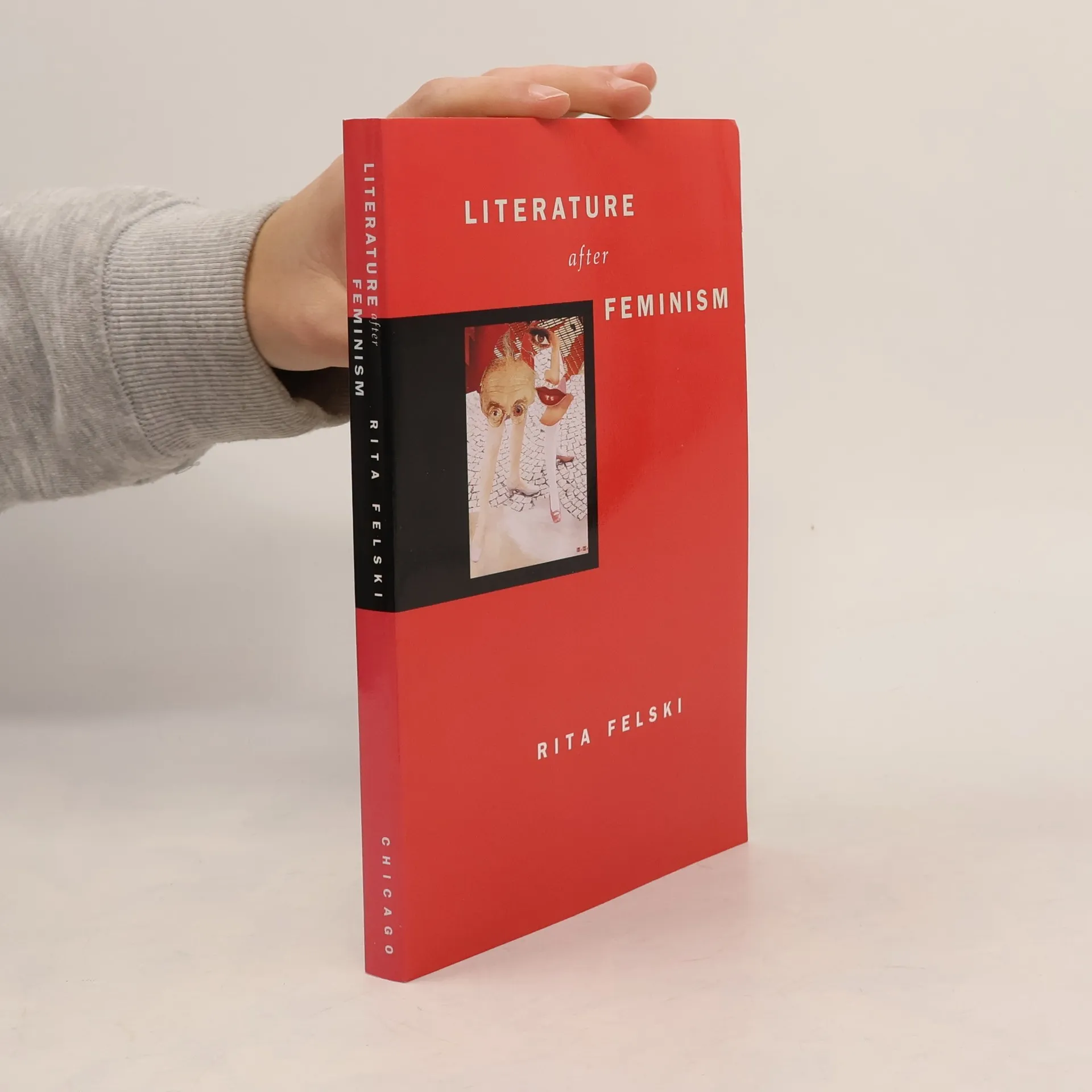
Recent commentators have portrayed feminist critics as grim-faced ideologues who are destroying the study of literature. Feminists, they claim, reduce art to politics and are hostile to any form of aesthetic pleasure. Literature after Feminism is the first work to comprehensively rebut such caricatures, while also offering a clear-eyed assessment of the relative merits of various feminist approaches to literature.Spelling out her main arguments clearly and succinctly, Rita Felski explains how feminism has changed the ways people read and think about literature. She organizes her book around four key questions: Do women and men read differently? How have feminist critics imagined the female author? What does plot have to do with gender? And what do feminists have to say about the relationship between literary and political value? Interweaving incisive commentary with literary examples, Felski advocates a double critical vision that can do justice to the social and political meanings of literature without dismissing or scanting the aesthetic.
Zakup książki
Literature After Feminism, Rita Felski
- Język

- Rok wydania
- 2003
- Oprawa
- (miękka)
Metody płatności
Nikt jeszcze nie ocenił.
- Tytuł
- Literature After Feminism
- Język
- angielski
- Autorzy
- Rita Felski
- Rok wydania
- 2003
- Oprawa
- miękka
- Liczba stron
- 204
- ISBN10
- 0226241157
- ISBN13
- 9780226241159
- Seria
- Kategorie
- Opis
- Recent commentators have portrayed feminist critics as grim-faced ideologues who are destroying the study of literature. Feminists, they claim, reduce art to politics and are hostile to any form of aesthetic pleasure. Literature after Feminism is the first work to comprehensively rebut such caricatures, while also offering a clear-eyed assessment of the relative merits of various feminist approaches to literature.Spelling out her main arguments clearly and succinctly, Rita Felski explains how feminism has changed the ways people read and think about literature. She organizes her book around four key questions: Do women and men read differently? How have feminist critics imagined the female author? What does plot have to do with gender? And what do feminists have to say about the relationship between literary and political value? Interweaving incisive commentary with literary examples, Felski advocates a double critical vision that can do justice to the social and political meanings of literature without dismissing or scanting the aesthetic.