



Więcej o książce
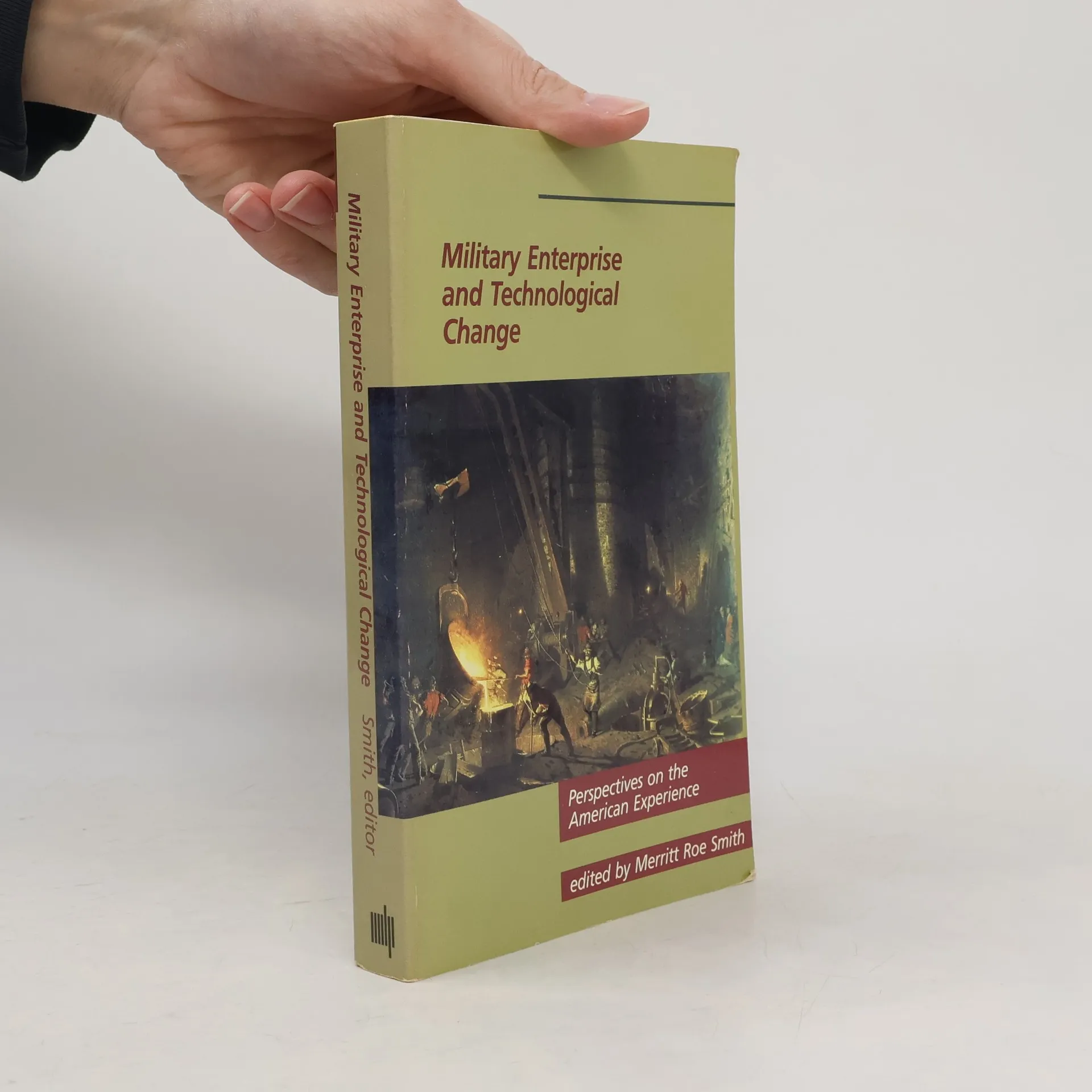
Building "star wars" weapons systems raises debates about whether such initiatives will divert technological development from the civilian economy or spur innovations that benefit everyone. This issue exemplifies the complex military-industrial relationship throughout American history, which has only recently gained thorough study and discussion. Historians of technology examine the military's influence on technological advancement across various historical contexts. The book features case studies that delve into the interplay between military needs and technological progress, including the Army's role in developing the "American system" of manufacturing, the Army Corps of Engineers' impact on modern management during railroad expansion, and the Navy's adoption of radio technology. It also covers Henry Ford's mass-production methods applied to military projects, the Army's use of social scientists in World War II, the entrepreneurial contributions of the Army Signal Corps to transistor development, and the Navy's extensive postwar R&D initiatives. Additionally, the studies explore the social implications of military and scientific management styles, particularly efforts to integrate military practices into civilian management. Contributions come from various historians, including David K. Allison, Peter Buck, and others, with an overview by Merritt Roe Smith.
Zakup książki
Military Enterprise and Technological Change, Merritt Roe Smith
- Język

- Rok wydania
- 1987
- Oprawa
- (miękka)
Metody płatności
Nikt jeszcze nie ocenił.
- Tytuł
- Military Enterprise and Technological Change
- Podtytuł
- Perspectives on the American Experience
- Język
- angielski
- Autorzy
- Merritt Roe Smith
- Wydawca
- MIT Press
- Rok wydania
- 1987
- Oprawa
- miękka
- Liczba stron
- 408
- ISBN10
- 0262691183
- ISBN13
- 9780262691185
- Seria
- Kategorie
- Tagi
- Opis
- Building "star wars" weapons systems raises debates about whether such initiatives will divert technological development from the civilian economy or spur innovations that benefit everyone. This issue exemplifies the complex military-industrial relationship throughout American history, which has only recently gained thorough study and discussion. Historians of technology examine the military's influence on technological advancement across various historical contexts. The book features case studies that delve into the interplay between military needs and technological progress, including the Army's role in developing the "American system" of manufacturing, the Army Corps of Engineers' impact on modern management during railroad expansion, and the Navy's adoption of radio technology. It also covers Henry Ford's mass-production methods applied to military projects, the Army's use of social scientists in World War II, the entrepreneurial contributions of the Army Signal Corps to transistor development, and the Navy's extensive postwar R&D initiatives. Additionally, the studies explore the social implications of military and scientific management styles, particularly efforts to integrate military practices into civilian management. Contributions come from various historians, including David K. Allison, Peter Buck, and others, with an overview by Merritt Roe Smith.