

Parametry
- 256 stron
- 9 godzin czytania
Więcej o książce
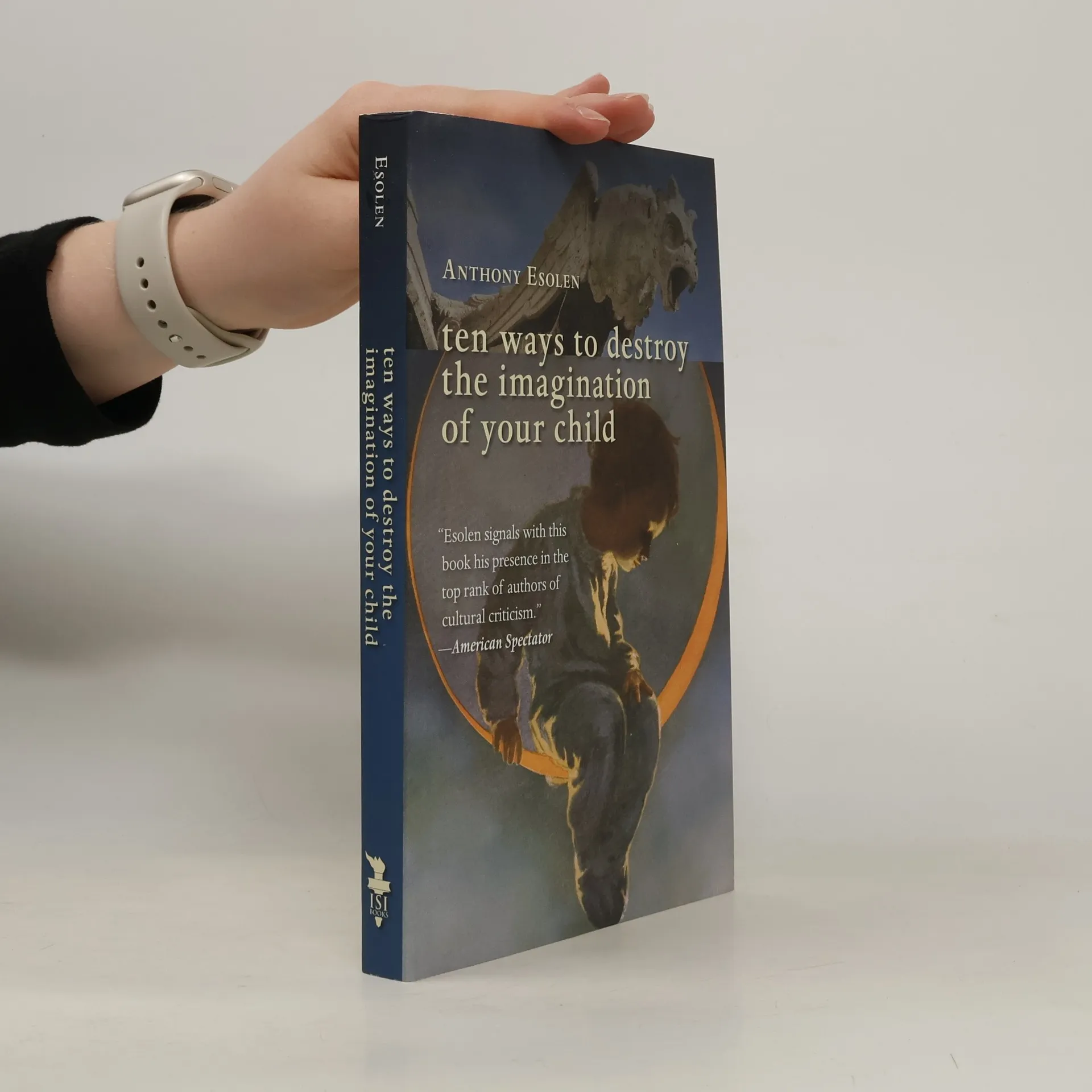
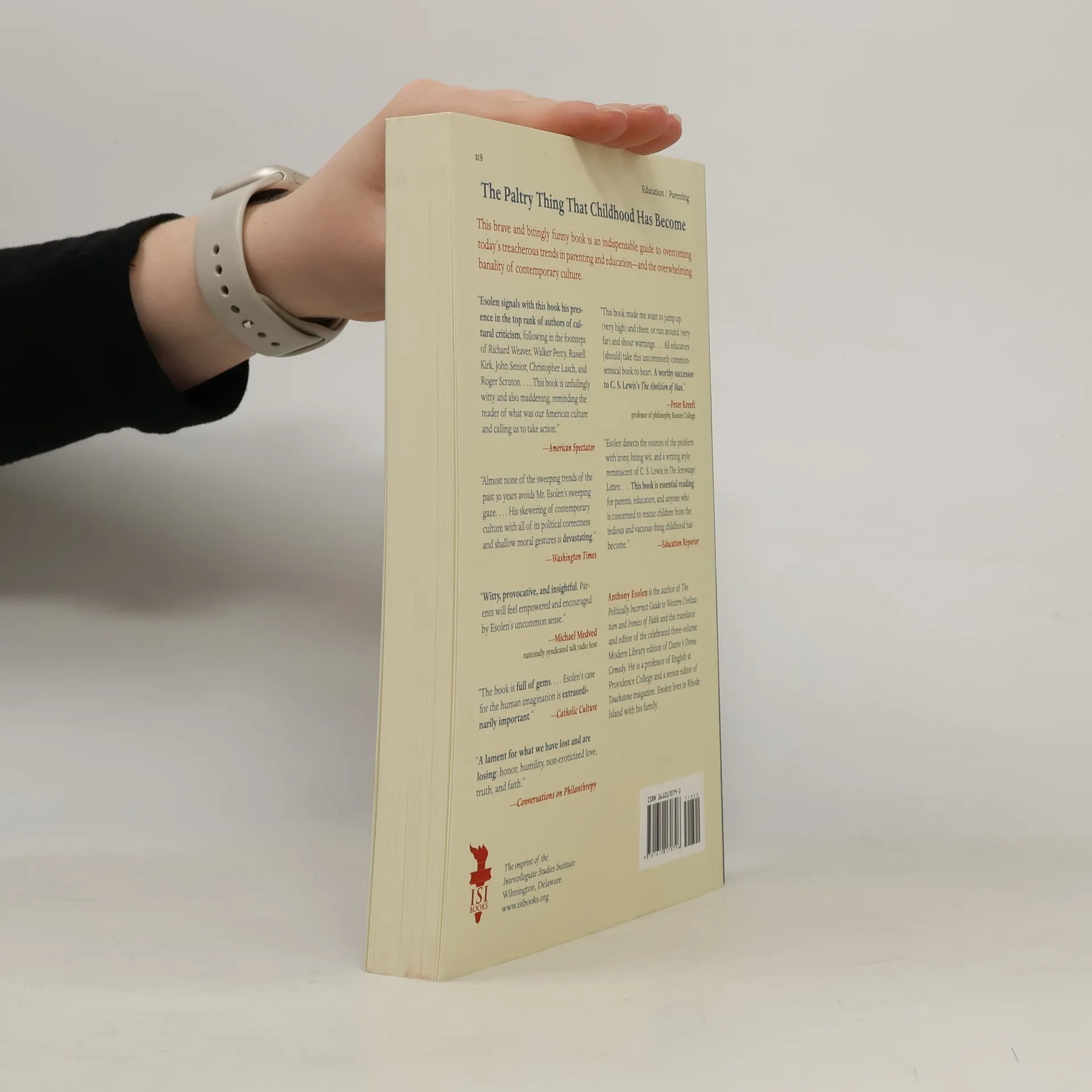
Play dates, soccer practice, political correctness, and constant supervision have become hallmarks of modern childhood, constricting children's imaginations to serve ulterior motives. In this elegantly written, often humorous work, Anthony Esolen critiques these trends and offers hopeful alternatives for parents and children. He highlights how imagination is stifled through indoor rearing, the reduction of love to mere sex education, the loss of traditional games, and the refusal to let children self-organize. Esolen also addresses the erasure of gender differences, the neglect of memory's power, the separation of children's and adults' worlds, and the denial of the transcendent, all of which contribute to a dull educational experience devoid of meaningful knowledge. Beyond identifying these issues, Esolen provides clear solutions, drawing on personal anecdotes and insights from Western literary and philosophical traditions. This guide serves as a refreshing counter to the banality of contemporary culture, weaving in the rich tapestry of literature, music, art, and thought that once enriched childhood. Esolen's work is essential for any parent concerned about the diminished state of childhood today and eager to offer their children a more vibrant and imaginative upbringing.
Zakup książki
Ten Ways to Destroy the Imagination of Your Child, Anthony Esolen
- Język

- Rok wydania
- 2013
- Oprawa
- (miękka),
- Stan książki
- Dobry
- Cena
- 15,91 zł
Metody płatności
Nikt jeszcze nie ocenił.
- Tytuł
- Ten Ways to Destroy the Imagination of Your Child
- Język
- angielski
- Autorzy
- Anthony Esolen
- Wydawca
- ISI Books
- Rok wydania
- 2013
- Oprawa
- miękka
- Liczba stron
- 256
- ISBN10
- 1610170792
- ISBN13
- 9781610170796
- Seria
- Kategorie
- Tagi
- Tematyka psychologiczna, Rodzina, Relacje, Edukacja & Szkolnictwo, Szkoła, Kultura & Społeczeństwo, Rodzicielstwo, Teorie polityczne, Psychoterapia
- Opis
- Play dates, soccer practice, political correctness, and constant supervision have become hallmarks of modern childhood, constricting children's imaginations to serve ulterior motives. In this elegantly written, often humorous work, Anthony Esolen critiques these trends and offers hopeful alternatives for parents and children. He highlights how imagination is stifled through indoor rearing, the reduction of love to mere sex education, the loss of traditional games, and the refusal to let children self-organize. Esolen also addresses the erasure of gender differences, the neglect of memory's power, the separation of children's and adults' worlds, and the denial of the transcendent, all of which contribute to a dull educational experience devoid of meaningful knowledge. Beyond identifying these issues, Esolen provides clear solutions, drawing on personal anecdotes and insights from Western literary and philosophical traditions. This guide serves as a refreshing counter to the banality of contemporary culture, weaving in the rich tapestry of literature, music, art, and thought that once enriched childhood. Esolen's work is essential for any parent concerned about the diminished state of childhood today and eager to offer their children a more vibrant and imaginative upbringing.