

Więcej o książce
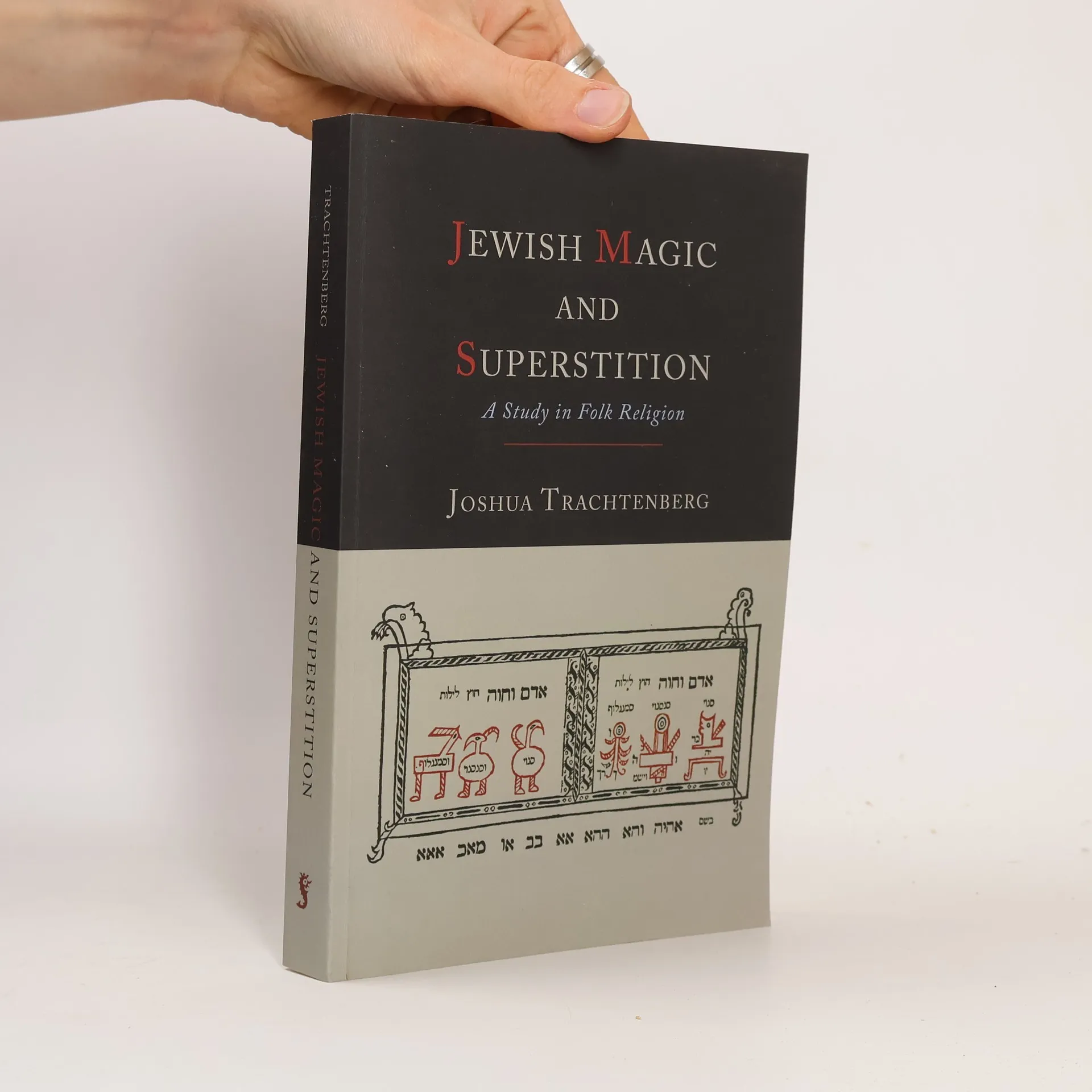
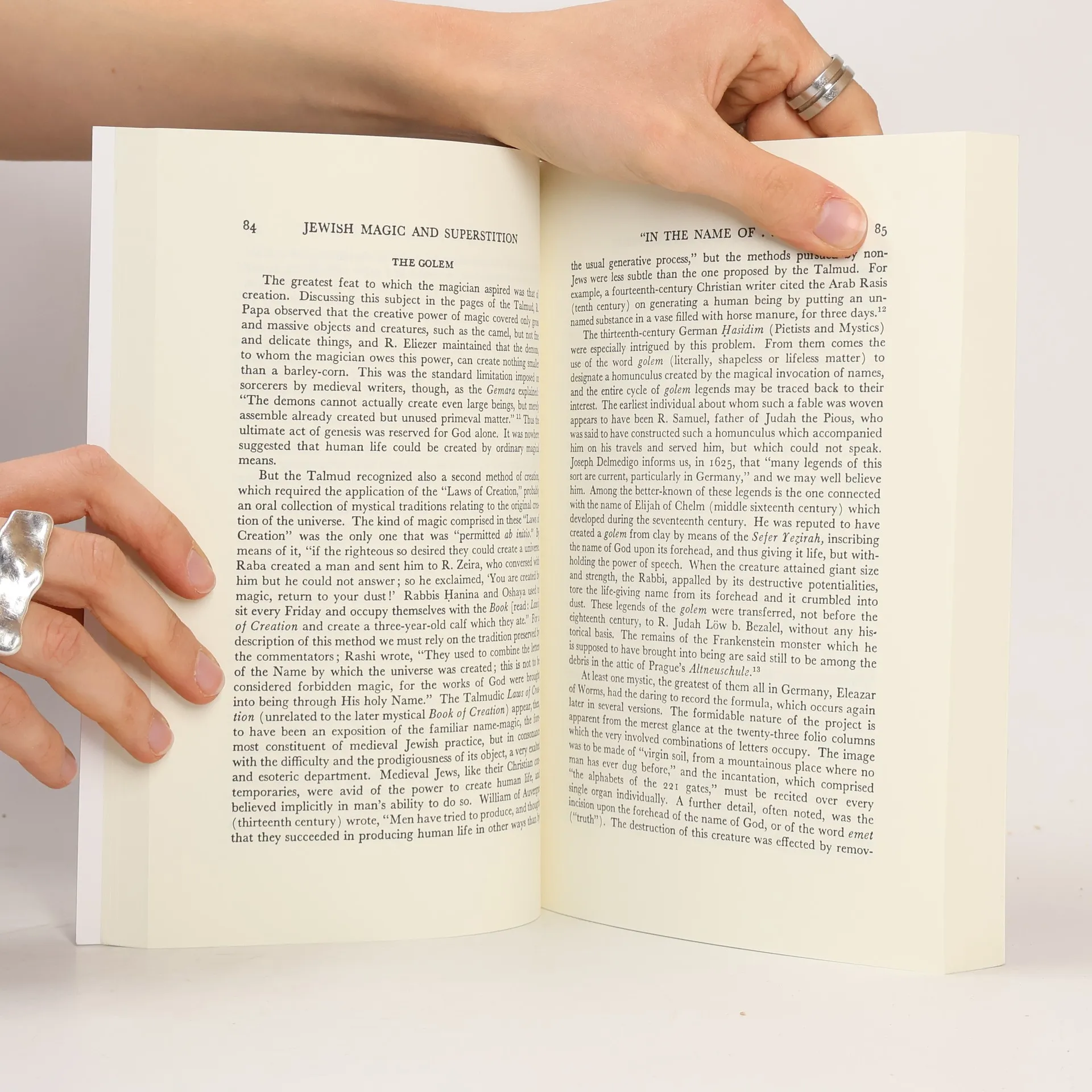
2013 Reprint of the 1939 Edition. This facsimile preserves the original text without Optical Recognition Software. The foundation of ceremonial magic is rooted in medieval Jewish magic, which draws from the Kabbalah, Haggadah traditions, and various esoteric beliefs. This work offers a thorough examination of Jewish magic from the 10th to the 15th century, enriched with folklore. It explains well-known customs, such as the breaking of a glass at weddings and the connection of "mazel tov" to astrology. The author explores Golems, Succubi, Lillim (linked to Lilith, Adam's first wife), and other magical beings, including familiar figures like werewolves and lesser-known entities such as estrie, mare, and broxa. Detailed accounts of talismans, amulets, charms, and unique magical items are included. Additionally, chapters cover dream interpretation, medical beliefs, necromancy, and various divination methods. A glossary aids readers in distinguishing terms like Kaddish and Kiddush. Joshua Trachtenberg (1904-1959), a reform rabbi, authored this elaboration of his Columbia University Ph.D. thesis. His insights into folk-magic's significance in Jewish culture are vital for understanding Judaism and the origins of modern Pagan practices.
Zakup książki
Jewish Magic and Superstition, Trachtenberg Joshua
- Język

- Rok wydania
- 2013
- Oprawa
- (miękka)
Metody płatności
Nikt jeszcze nie ocenił.
- Tytuł
- Jewish Magic and Superstition
- Podtytuł
- A Study in Folk Religion
- Język
- angielski
- Autorzy
- Trachtenberg Joshua
- Wydawca
- Martino Fine Books
- Rok wydania
- 2013
- Oprawa
- miękka
- Liczba stron
- 376
- ISBN10
- 161427407X
- ISBN13
- 9781614274070
- Seria
- Opis
- 2013 Reprint of the 1939 Edition. This facsimile preserves the original text without Optical Recognition Software. The foundation of ceremonial magic is rooted in medieval Jewish magic, which draws from the Kabbalah, Haggadah traditions, and various esoteric beliefs. This work offers a thorough examination of Jewish magic from the 10th to the 15th century, enriched with folklore. It explains well-known customs, such as the breaking of a glass at weddings and the connection of "mazel tov" to astrology. The author explores Golems, Succubi, Lillim (linked to Lilith, Adam's first wife), and other magical beings, including familiar figures like werewolves and lesser-known entities such as estrie, mare, and broxa. Detailed accounts of talismans, amulets, charms, and unique magical items are included. Additionally, chapters cover dream interpretation, medical beliefs, necromancy, and various divination methods. A glossary aids readers in distinguishing terms like Kaddish and Kiddush. Joshua Trachtenberg (1904-1959), a reform rabbi, authored this elaboration of his Columbia University Ph.D. thesis. His insights into folk-magic's significance in Jewish culture are vital for understanding Judaism and the origins of modern Pagan practices.