

Więcej o książce
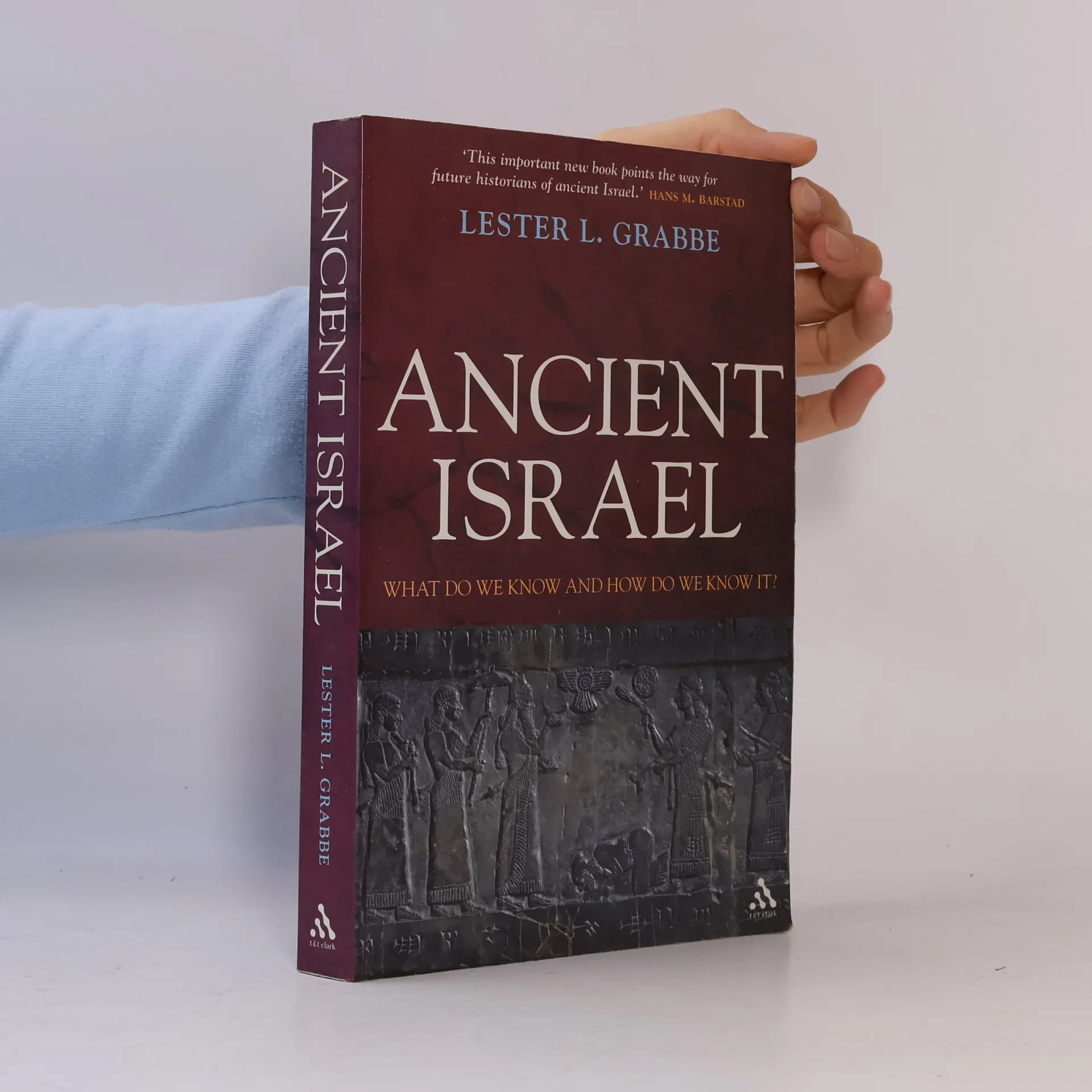
A number of 'histories of Israel' have emerged in recent decades, yet fundamental methodological questions remain: how do we write such a history, and how can we know anything about it? In this work, Lester L. Grabbe aims to summarize our knowledge through a survey of sources while discussing methodology and evaluating evidence. Rather than presenting a traditional history, he collects and analyzes materials necessary for constructing one, allowing readers to draw their own conclusions using the diverse evidence provided. The central inquiry—how do we know what we know—leads to essential questions about the sources for Israel's history and their evaluation. Grabbe emphasizes original sources, including inscriptions, papyri, and archaeological findings, while addressing the challenges of historical methodology and the use of biblical texts in this context. This work contributes uniquely to the field and offers an insightful overview and critique of current scholarly debates. It serves as a valuable 'handbook' or reference for those seeking a catalog of original sources, scholarship, and secondary studies. Its accessible structure and Grabbe's clear writing style make it suitable for students of biblical studies and ancient history, as well as interested lay readers.
Zakup książki
Ancient Israel, Lester L. Grabbe
- Język

- Rok wydania
- 2007
- Oprawa
- (miękka)
Metody płatności
Nikt jeszcze nie ocenił.
- Tytuł
- Ancient Israel
- Podtytuł
- What Do We Know and How Do We Know It?
- Język
- angielski
- Autorzy
- Lester L. Grabbe
- Wydawca
- Bloomsbury T&T Clark
- Rok wydania
- 2007
- Oprawa
- miękka
- Liczba stron
- 328
- ISBN10
- 056703254X
- ISBN13
- 9780567032546
- Seria
- Opis
- A number of 'histories of Israel' have emerged in recent decades, yet fundamental methodological questions remain: how do we write such a history, and how can we know anything about it? In this work, Lester L. Grabbe aims to summarize our knowledge through a survey of sources while discussing methodology and evaluating evidence. Rather than presenting a traditional history, he collects and analyzes materials necessary for constructing one, allowing readers to draw their own conclusions using the diverse evidence provided. The central inquiry—how do we know what we know—leads to essential questions about the sources for Israel's history and their evaluation. Grabbe emphasizes original sources, including inscriptions, papyri, and archaeological findings, while addressing the challenges of historical methodology and the use of biblical texts in this context. This work contributes uniquely to the field and offers an insightful overview and critique of current scholarly debates. It serves as a valuable 'handbook' or reference for those seeking a catalog of original sources, scholarship, and secondary studies. Its accessible structure and Grabbe's clear writing style make it suitable for students of biblical studies and ancient history, as well as interested lay readers.