

Parametry
- 496 stron
- 18 godzin czytania
Więcej o książce
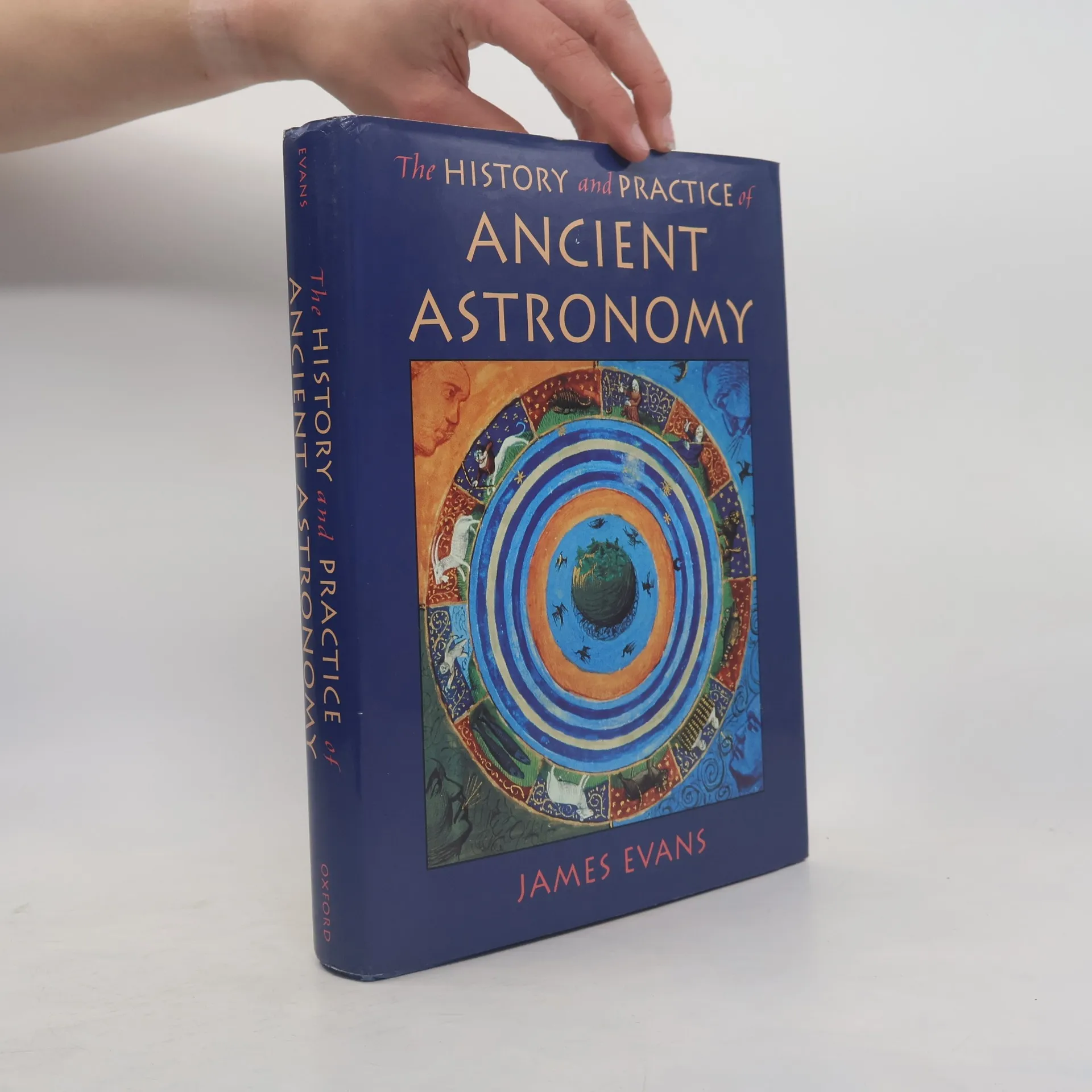
This work combines new scholarship with hands-on science, immersing readers in the practices of ancient astronomers. It traces ideas from Babylon to sixteenth-century Europe, focusing primarily on the Greek period, where geometric and philosophical concepts shaped Western astronomy. The author emphasizes concrete details of ancient astronomical practice, allowing readers to engage in real astronomy using historical methods. For instance, they can predict Jupiter's retrograde motion using Babylonian arithmetic or Ptolemaic geometry. The text teaches how to utilize an astrolabe and design sundials based on Greek and Roman techniques. Supplementary exercises and patterns for constructing working astronomical instruments, such as an astrolabe and equatorium, are also included. Beyond methods, the book critically examines the evidence for reconstructing ancient astronomy, featuring extensive excerpts from ancient texts, thorough documentation, and engaging discussions about astronomy's role in various cultures. Accessible to a broad audience, it appeals to those interested in the evolution of our understanding of the universe from ancient times through the Renaissance.
Zakup książki
The History and Practice of Ancient Astronomy, James Evans
- Język

- Rok wydania
- 1998
- Oprawa
- (twarda)
Metody płatności
Nikt jeszcze nie ocenił.
- Tytuł
- The History and Practice of Ancient Astronomy
- Język
- angielski
- Autorzy
- James Evans
- Wydawca
- Oxford University Press
- Rok wydania
- 1998
- Oprawa
- twarda
- Liczba stron
- 496
- ISBN10
- 0195095391
- ISBN13
- 9780195095395
- Seria
- Kategorie
- Tagi
- Tematy historyczne, Poradniki, Nauka, Technologia, Kosmos, Historia nauki, Historia nauk przyrodniczych, Historia matematyki
- Opis
- This work combines new scholarship with hands-on science, immersing readers in the practices of ancient astronomers. It traces ideas from Babylon to sixteenth-century Europe, focusing primarily on the Greek period, where geometric and philosophical concepts shaped Western astronomy. The author emphasizes concrete details of ancient astronomical practice, allowing readers to engage in real astronomy using historical methods. For instance, they can predict Jupiter's retrograde motion using Babylonian arithmetic or Ptolemaic geometry. The text teaches how to utilize an astrolabe and design sundials based on Greek and Roman techniques. Supplementary exercises and patterns for constructing working astronomical instruments, such as an astrolabe and equatorium, are also included. Beyond methods, the book critically examines the evidence for reconstructing ancient astronomy, featuring extensive excerpts from ancient texts, thorough documentation, and engaging discussions about astronomy's role in various cultures. Accessible to a broad audience, it appeals to those interested in the evolution of our understanding of the universe from ancient times through the Renaissance.