

Więcej o książce
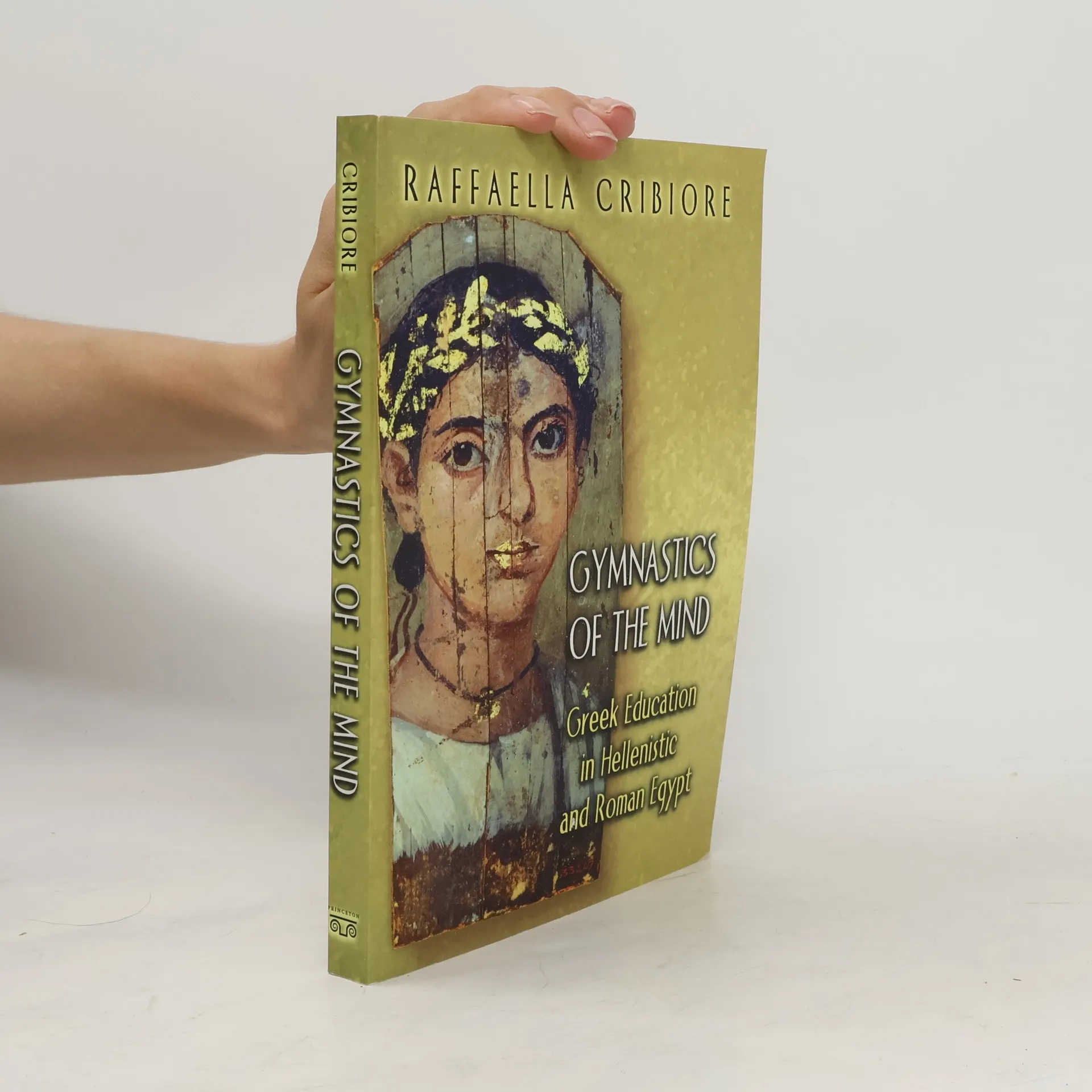
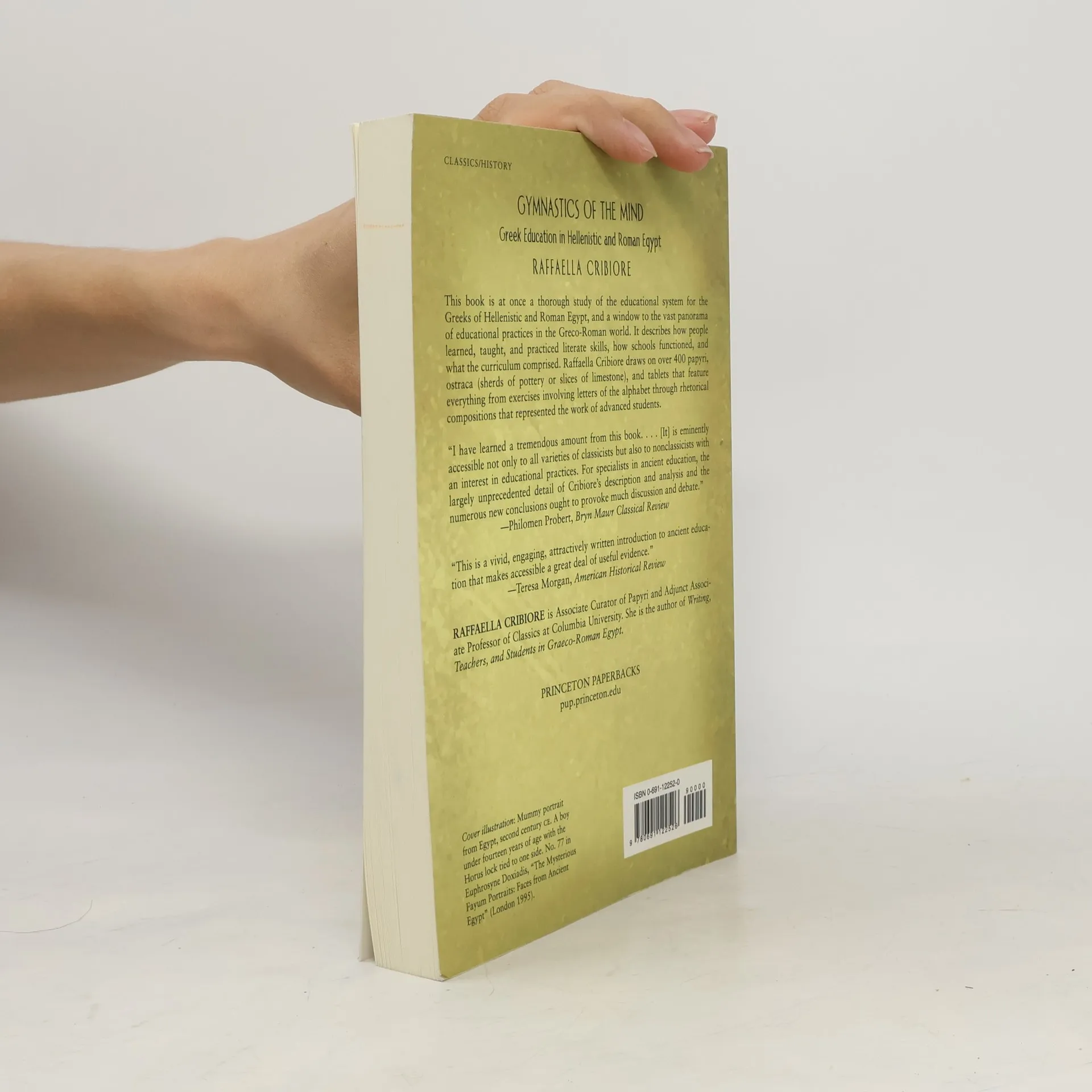
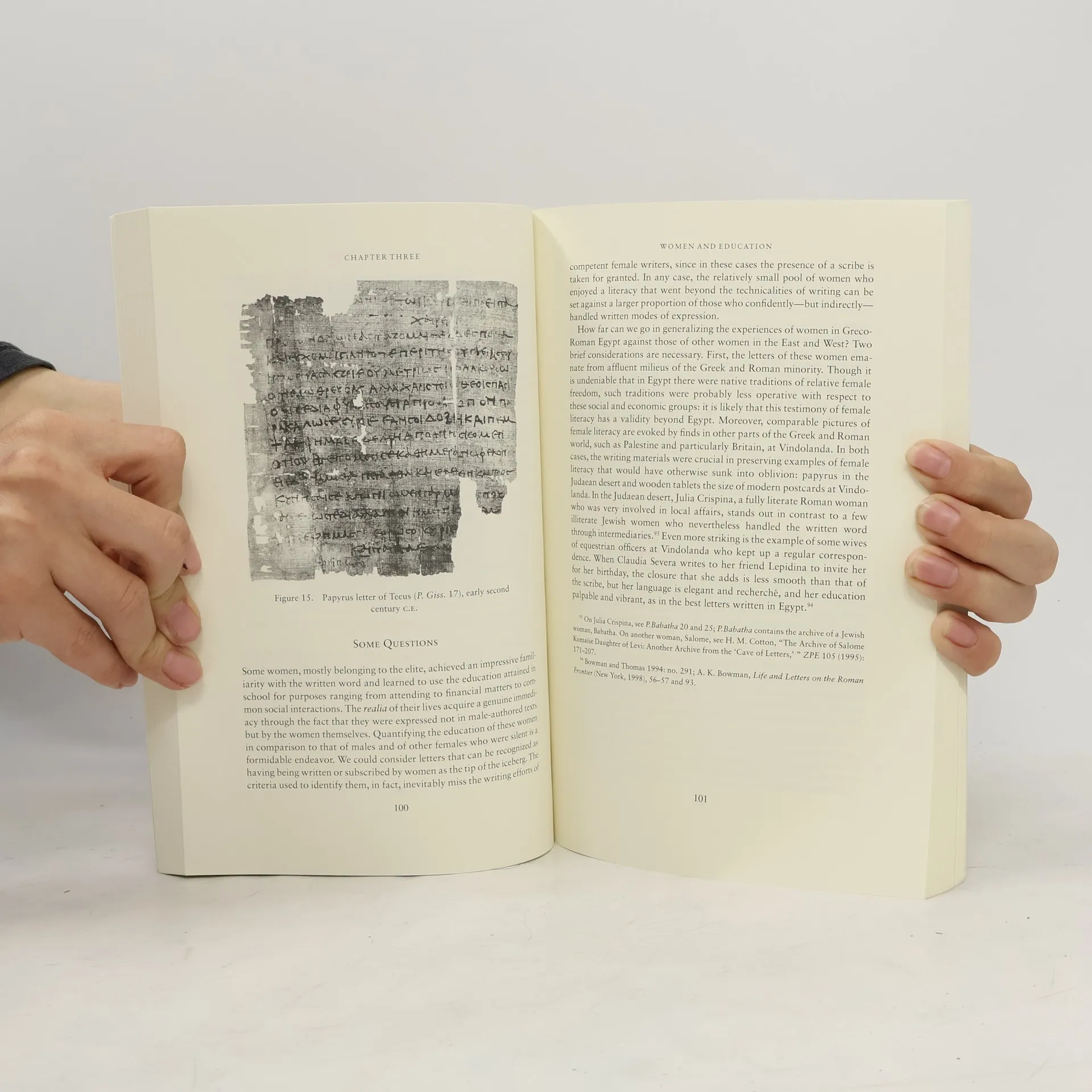
This book offers a comprehensive study of the educational system for Greeks in Hellenistic and Roman Egypt, providing insights into the broader educational practices of the Greco-Roman world. It details how individuals learned, taught, and practiced literacy, the functioning of schools, and the curriculum. Raffaella Cribiore utilizes over 400 papyri, ostraca, and tablets, showcasing a range of materials from basic alphabet exercises to advanced rhetorical compositions. The abundance of source material from Egypt makes it a key reference point, while also extending its examination to the Greek East through the letters of the Antiochene Libanius related to education. The first section investigates the dynamics of teaching and learning, highlighting the roles of teachers, parents, and students. The second part outlines the educational progression from elementary to advanced levels. Cribiore delves into school exercises, as well as the books and commentaries used in education, an area previously underexplored. This allows for a thorough evaluation of the three main stages of a liberal education: the elementary teacher, grammarian, and rhetorician. Additionally, the book addresses female education and the influence of families in the educational process. This work is an essential resource for students and scholars interested in the ancient world and the history of education.
Zakup książki
Gymnastics of the Mind, Raffaella Cribiore
- Język

- Rok wydania
- 2005
- Oprawa
- (miękka)
Metody płatności
Nikt jeszcze nie ocenił.
- Tytuł
- Gymnastics of the Mind
- Podtytuł
- Greek Education in Hellenistic and Roman Egypt
- Język
- angielski
- Autorzy
- Raffaella Cribiore
- Wydawca
- Princeton University Press
- Rok wydania
- 2005
- Oprawa
- miękka
- Liczba stron
- 288
- ISBN10
- 0691122520
- ISBN13
- 9780691122526
- Seria
- Opis
- This book offers a comprehensive study of the educational system for Greeks in Hellenistic and Roman Egypt, providing insights into the broader educational practices of the Greco-Roman world. It details how individuals learned, taught, and practiced literacy, the functioning of schools, and the curriculum. Raffaella Cribiore utilizes over 400 papyri, ostraca, and tablets, showcasing a range of materials from basic alphabet exercises to advanced rhetorical compositions. The abundance of source material from Egypt makes it a key reference point, while also extending its examination to the Greek East through the letters of the Antiochene Libanius related to education. The first section investigates the dynamics of teaching and learning, highlighting the roles of teachers, parents, and students. The second part outlines the educational progression from elementary to advanced levels. Cribiore delves into school exercises, as well as the books and commentaries used in education, an area previously underexplored. This allows for a thorough evaluation of the three main stages of a liberal education: the elementary teacher, grammarian, and rhetorician. Additionally, the book addresses female education and the influence of families in the educational process. This work is an essential resource for students and scholars interested in the ancient world and the history of education.