

Więcej o książce
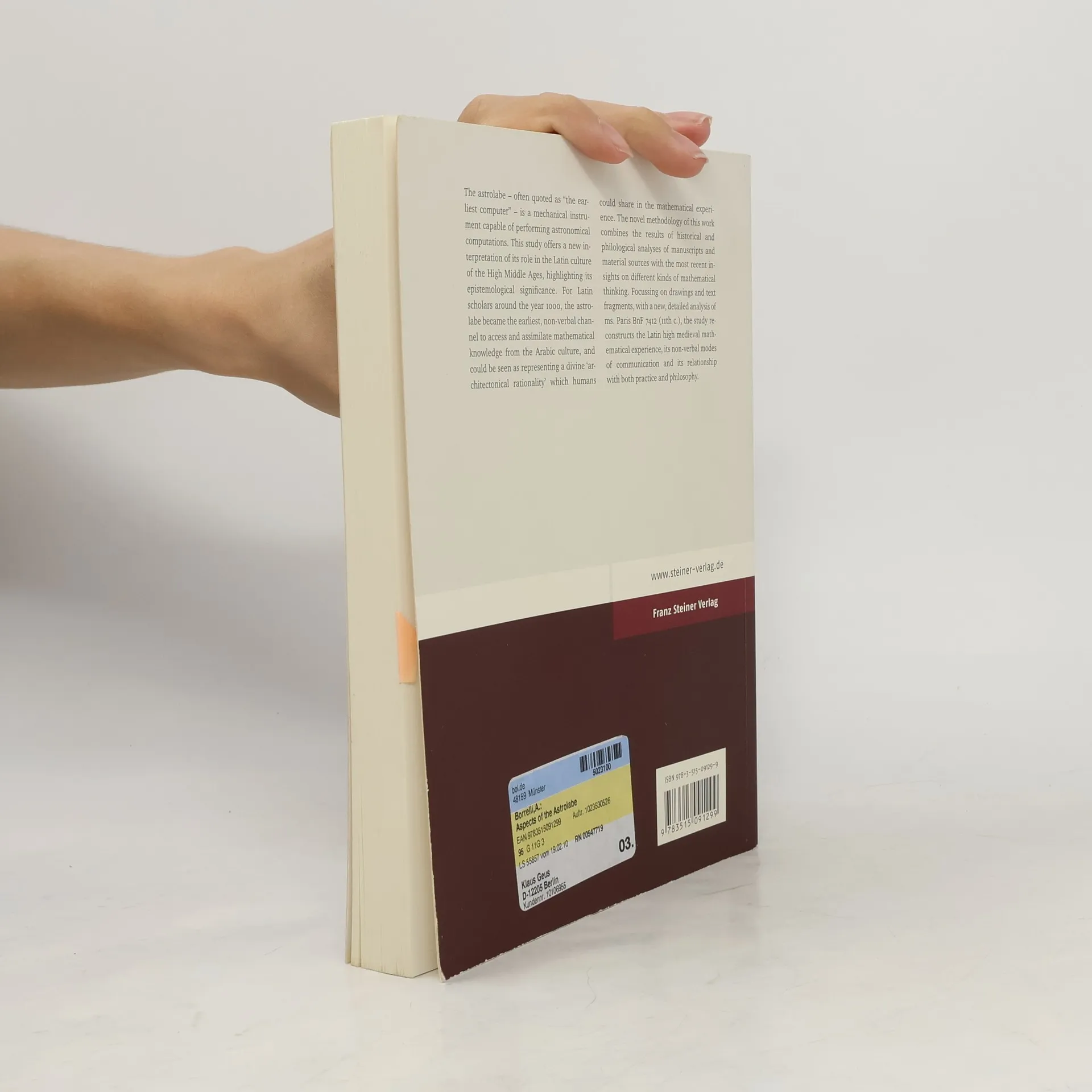
The astrolabe – often quoted as „the earliest computer“ – is a mechanical instrument capable of performing astronomical computations. This study offers a new interpretation of its role in the Latin culture of the High Middle Ages, highlighting its epistemological significance. For Latin scholars around the year 1000, the astrolabe became the earliest, non-verbal channel to access and assimilate mathematical knowledge from the Arabic culture, and could be seen as representing a divine 'architectonical rationality' which humans could share in the mathematical experience. The novel methodology of this work combines the results of historical and philological analyses of manuscripts and material sources with the most recent insights on different kinds of mathematical thinking. Focussing on drawings and text fragments, with a new, detailed analysis of ms. Paris BnF 7412 (11th c.), the study reconstructs the Latin high medieval mathematical experience, its non-verbal modes of communication and its relationship with both practice and philosophy.
Zakup książki
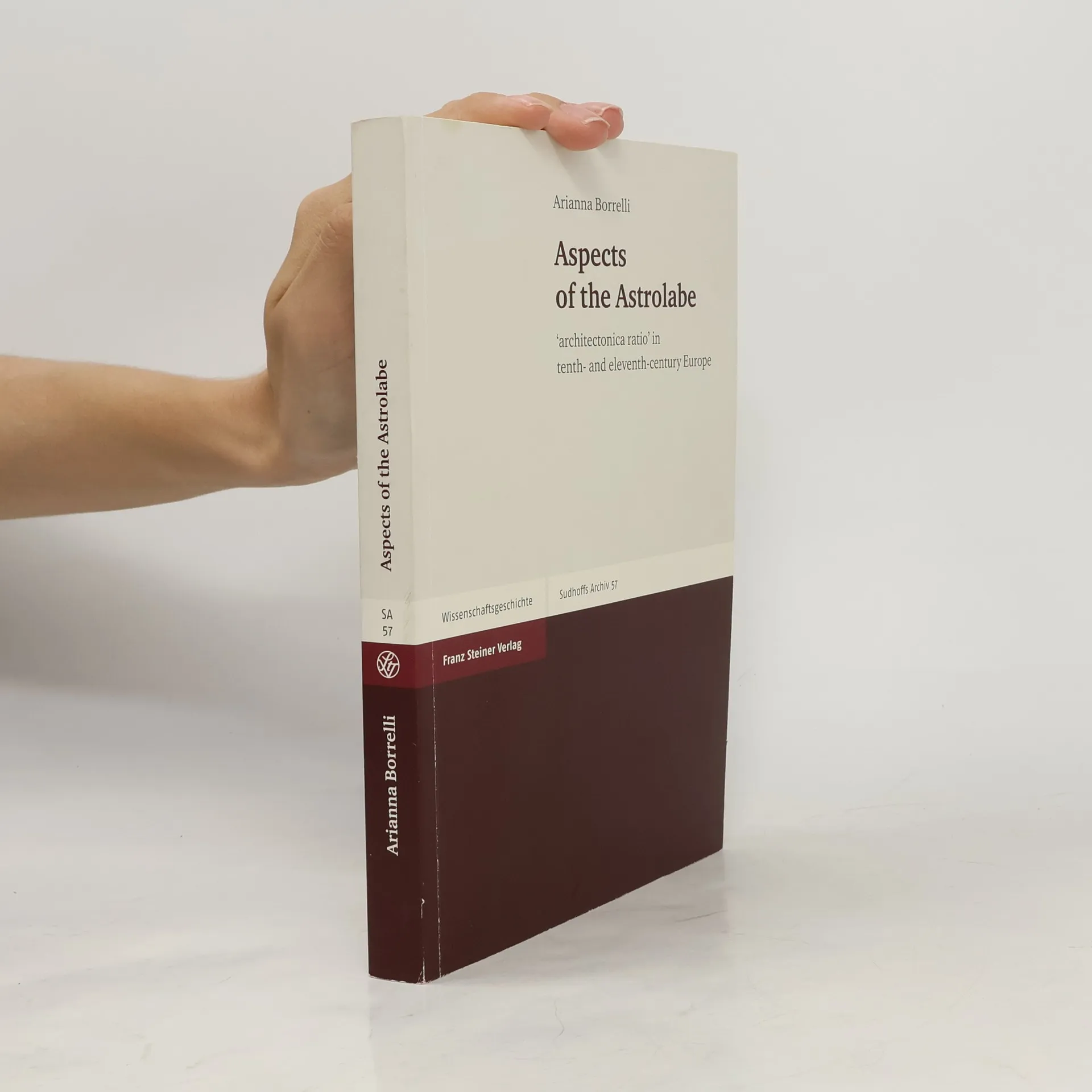
Sudhoffs Archiv - 57: Aspects of the Astrolabe, Arianna Borrelli
- Język

- Rok wydania
- 2008
- Oprawa
- (miękka)
Metody płatności
Nikt jeszcze nie ocenił.
- Tytuł
- Sudhoffs Archiv - 57: Aspects of the Astrolabe
- Podtytuł
- "architectonica ratio" in Tenth- and Eleventh-Century Europe
- Język
- angielski
- Autorzy
- Arianna Borrelli
- Wydawca
- Franz Steiner Verlag
- Rok wydania
- 2008
- Oprawa
- miękka
- Liczba stron
- 270
- ISBN10
- 3515091297
- ISBN13
- 9783515091299
- Seria
- Tagi
- Tematy historyczne, Nauka, Europa, Kosmos, Średniowiecze, Historia nauki, Rękopisy, Historia nauk przyrodniczych
- Opis
- The astrolabe – often quoted as „the earliest computer“ – is a mechanical instrument capable of performing astronomical computations. This study offers a new interpretation of its role in the Latin culture of the High Middle Ages, highlighting its epistemological significance. For Latin scholars around the year 1000, the astrolabe became the earliest, non-verbal channel to access and assimilate mathematical knowledge from the Arabic culture, and could be seen as representing a divine 'architectonical rationality' which humans could share in the mathematical experience. The novel methodology of this work combines the results of historical and philological analyses of manuscripts and material sources with the most recent insights on different kinds of mathematical thinking. Focussing on drawings and text fragments, with a new, detailed analysis of ms. Paris BnF 7412 (11th c.), the study reconstructs the Latin high medieval mathematical experience, its non-verbal modes of communication and its relationship with both practice and philosophy.