



Więcej o książce
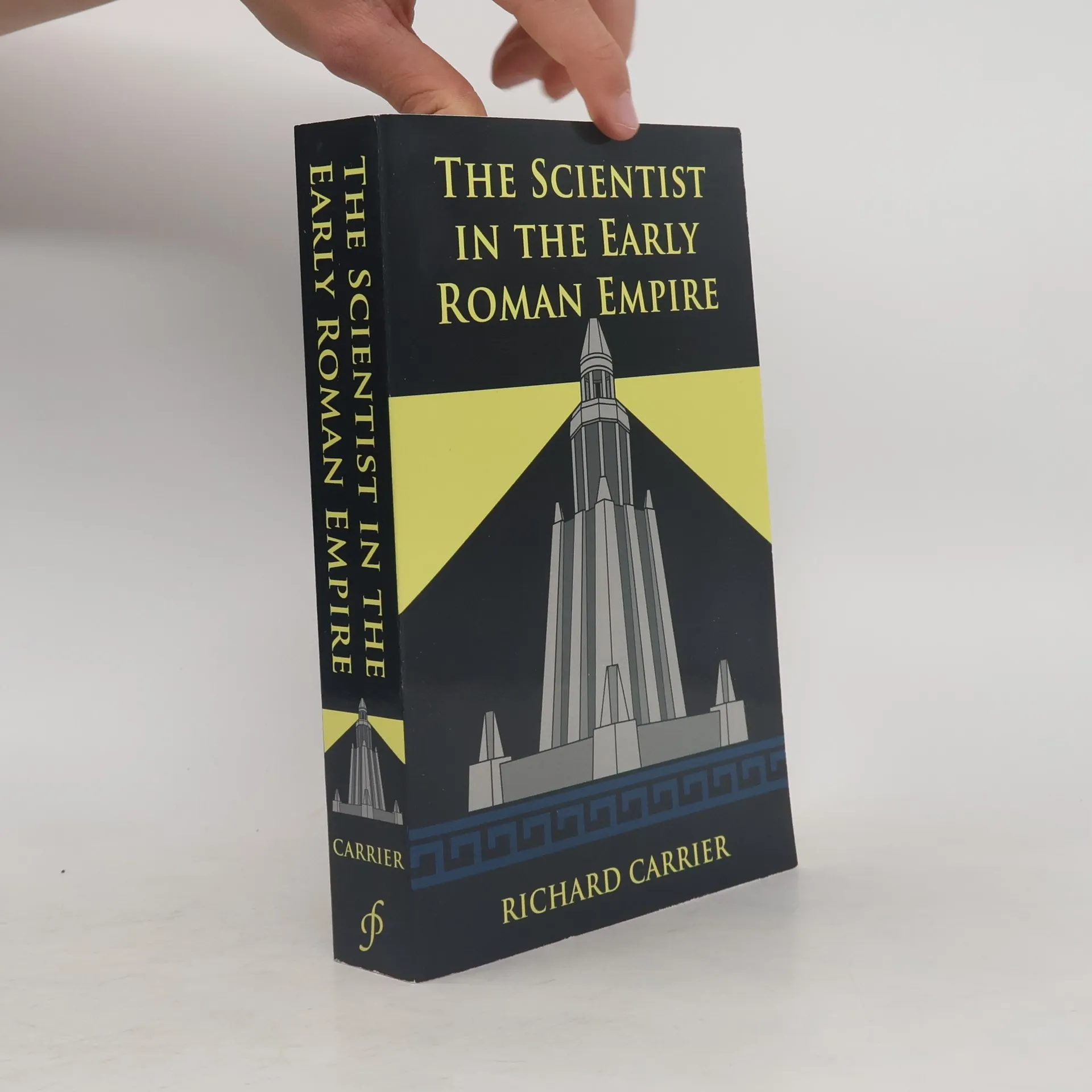
In this extensive sequel to Science Education in the Early Roman Empire, Dr. Richard Carrier explores the social history of scientists in the Roman era. Was science in decline or experiencing a revival under the Romans? What was an ancient scientist thought to be and do? Who were they, and who funded their research? And how did pagans differ from their Christian peers in their views toward science and scientists? Some have claimed Christianity valued them more than their pagan forebears. In fact the reverse is the case. And this difference in values had a catastrophic effect on the future of humanity. The Romans may have been just a century or two away from experiencing a scientific revolution. But once in power, Christianity kept that progress on hold for a thousand years--while forgetting most of what the pagans had achieved and discovered, from an empirical anatomy, physiology, and brain science to an experimental physics of water, gravity, and air. Thoroughly referenced and painstakingly researched, this volume is a must for anyone who wants to learn how far we once got, and why we took so long to get to where we are today.
Zakup książki
The Scientist in the Early Roman Empire, Richard C. Carrier
- Język

- Rok wydania
- 2017
- Oprawa
- (miękka)
Metody płatności
Nikt jeszcze nie ocenił.
- Tytuł
- The Scientist in the Early Roman Empire
- Język
- angielski
- Autorzy
- Richard C. Carrier
- Wydawca
- Pitchstone Publishing
- Rok wydania
- 2017
- Oprawa
- miękka
- Liczba stron
- 648
- ISBN10
- 163431106X
- ISBN13
- 9781634311069
- Seria
- Kategorie
- Tagi
- Tematy historyczne, Nauka, Europa, Starożytność, Historia Europy, Rzym, Starożytny Rzym, Historia nauki, Naukowcy, Historia nauk przyrodniczych
- Opis
- In this extensive sequel to Science Education in the Early Roman Empire, Dr. Richard Carrier explores the social history of scientists in the Roman era. Was science in decline or experiencing a revival under the Romans? What was an ancient scientist thought to be and do? Who were they, and who funded their research? And how did pagans differ from their Christian peers in their views toward science and scientists? Some have claimed Christianity valued them more than their pagan forebears. In fact the reverse is the case. And this difference in values had a catastrophic effect on the future of humanity. The Romans may have been just a century or two away from experiencing a scientific revolution. But once in power, Christianity kept that progress on hold for a thousand years--while forgetting most of what the pagans had achieved and discovered, from an empirical anatomy, physiology, and brain science to an experimental physics of water, gravity, and air. Thoroughly referenced and painstakingly researched, this volume is a must for anyone who wants to learn how far we once got, and why we took so long to get to where we are today.