


Parametry
- 238 stron
- 9 godzin czytania
Więcej o książce
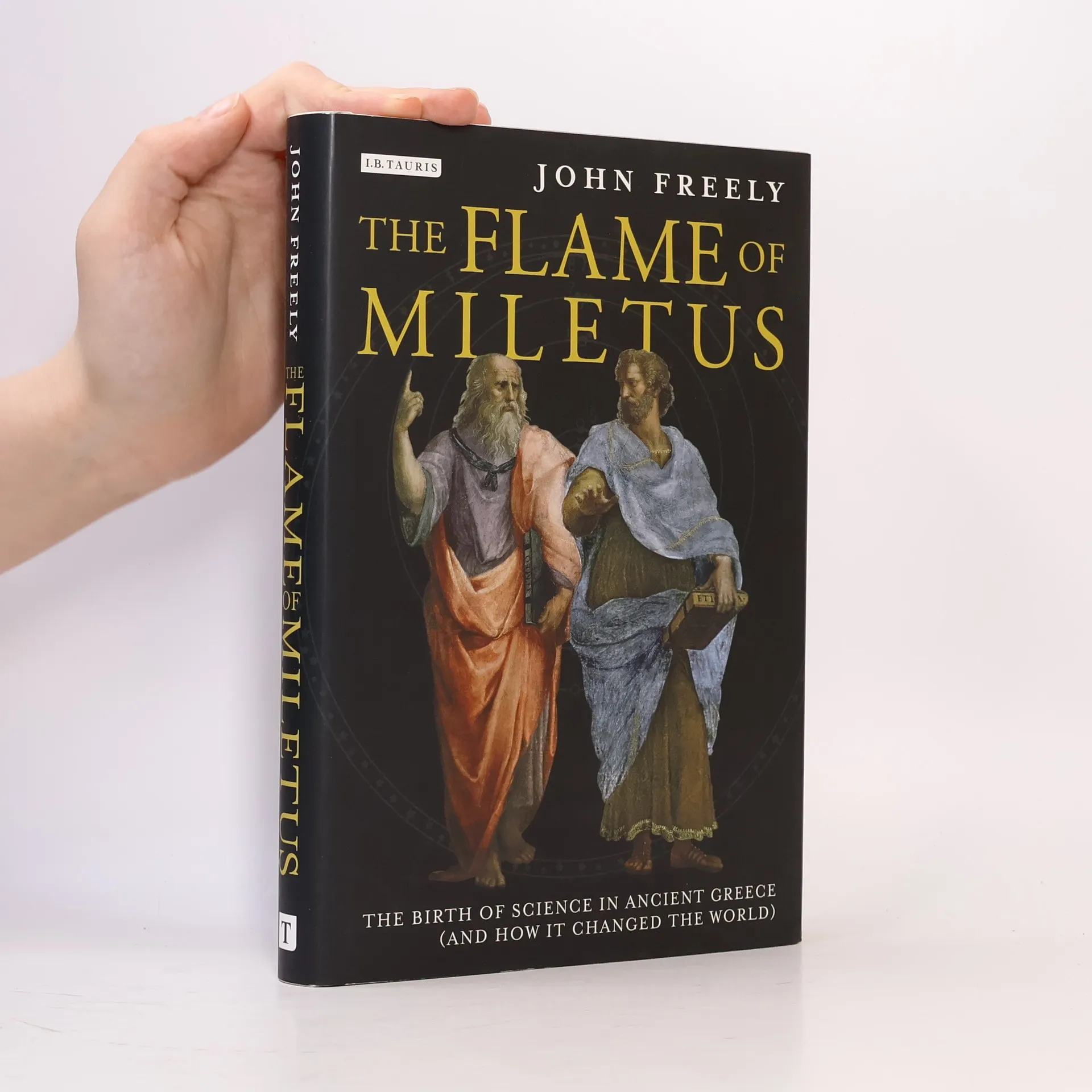
Miletus: one of the wealthiest and most important towns in ancient Greece. It was here, on the Aegean coast of Asia Minor, in the 6th century BC, that the great traditions of Greek science and philosophy sparked into life, setting in motion a chain of knowledge that would change the world, forever. This is the extraordinary story of Greek science from its earliest beginnings through its development in classical Athens and Hellenistic Alexandria and its subsequent diffusion to the wider world. Most histories of Greek science end with the collapse of the Graeco-Roman world in late antiquity and the closing of all classical schools of "pagan" philosophy in A.D. 529. But acclaimed historian John Freely here continues the story to tell of how the elements of Greek scientific and philosophical learning were adopted by the Islamic world and the transmission of Graeco-Islamic science to western Europe, as well as the preservation of Hellenic culture in Byzantium and its profound influence on the European renaissance and our modern world.
Zakup książki
The Flame of Miletus, John Freely
- Język

- Rok wydania
- 2012
- Oprawa
- (twarda)
Metody płatności
Nikt jeszcze nie ocenił.
- Tytuł
- The Flame of Miletus
- Podtytuł
- The Birth of Science in Ancient Greece
- Język
- angielski
- Autorzy
- John Freely
- Wydawca
- I.B. Tauris
- Rok wydania
- 2012
- Oprawa
- twarda
- Liczba stron
- 238
- ISBN10
- 1780760515
- ISBN13
- 9781780760513
- Seria
- Opis
- Miletus: one of the wealthiest and most important towns in ancient Greece. It was here, on the Aegean coast of Asia Minor, in the 6th century BC, that the great traditions of Greek science and philosophy sparked into life, setting in motion a chain of knowledge that would change the world, forever. This is the extraordinary story of Greek science from its earliest beginnings through its development in classical Athens and Hellenistic Alexandria and its subsequent diffusion to the wider world. Most histories of Greek science end with the collapse of the Graeco-Roman world in late antiquity and the closing of all classical schools of "pagan" philosophy in A.D. 529. But acclaimed historian John Freely here continues the story to tell of how the elements of Greek scientific and philosophical learning were adopted by the Islamic world and the transmission of Graeco-Islamic science to western Europe, as well as the preservation of Hellenic culture in Byzantium and its profound influence on the European renaissance and our modern world.