

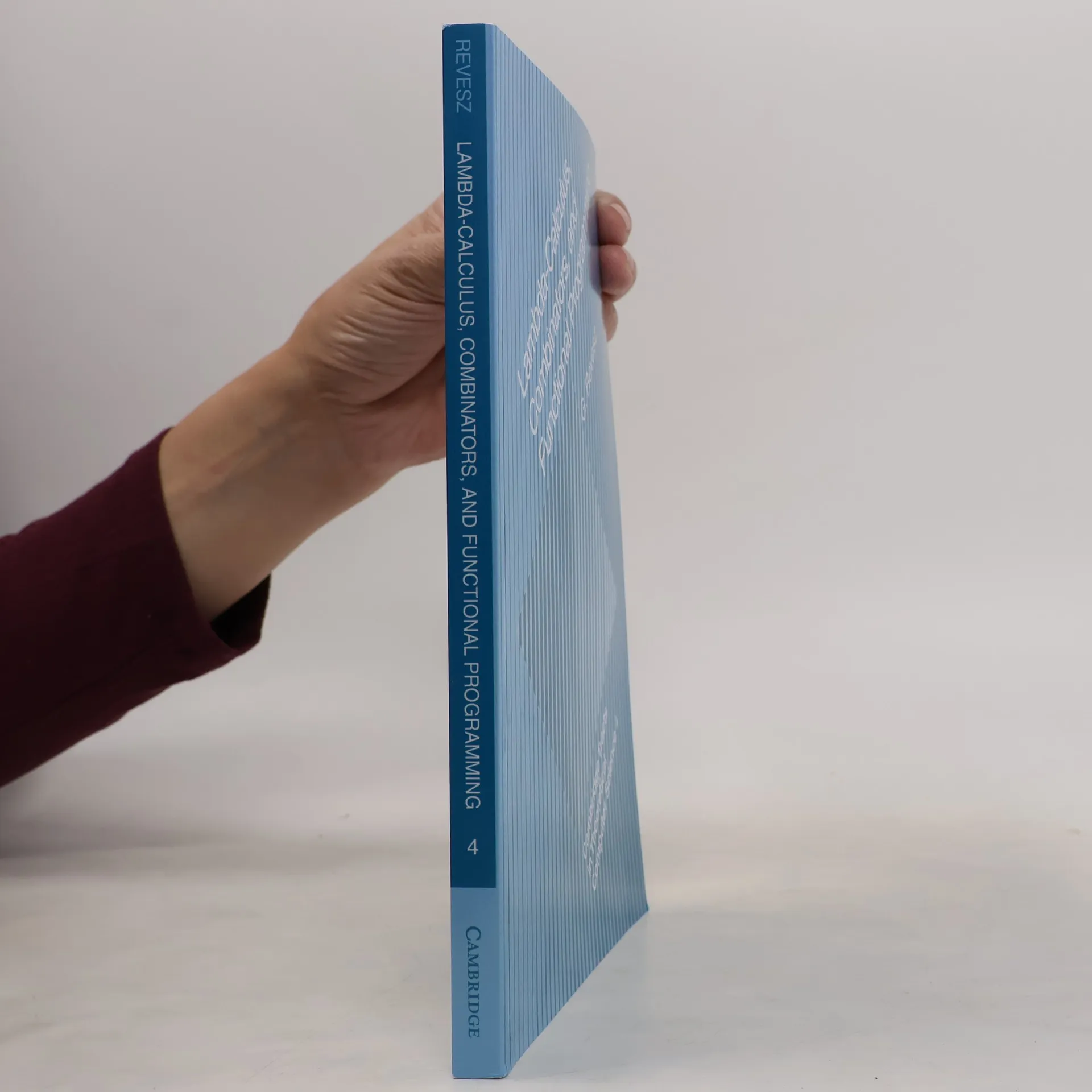


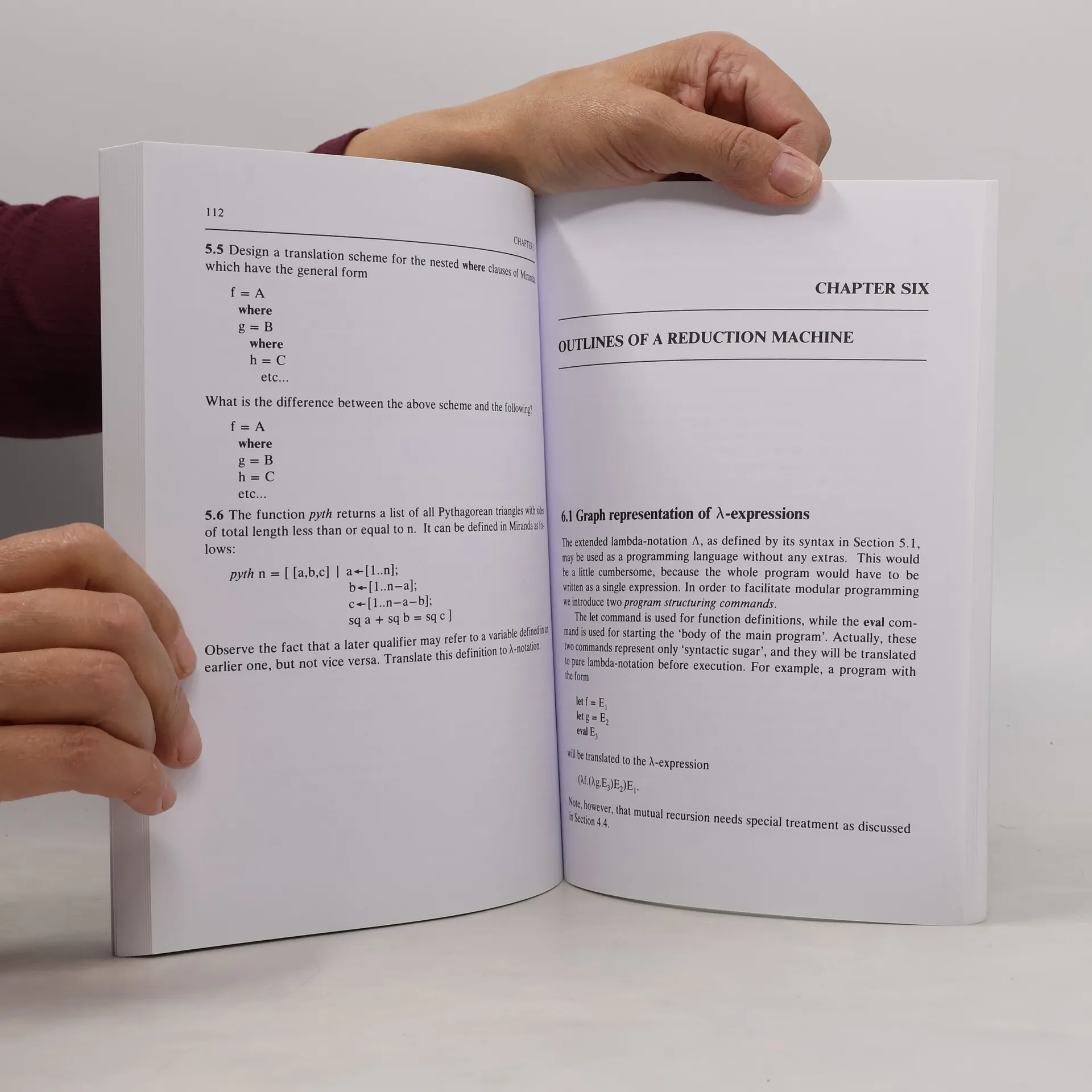
Więcej o książce
Originally published in 1988, this book presents an introduction to lambda-calculus and combinators without getting lost in the details of mathematical aspects of their theory. Lambda-calculus is treated here as a functional language and its relevance to computer science is clearly demonstrated. The main purpose of the book is to provide computer science students and researchers with a firm background in lambda-calculus and combinators and show the applicabillity of these theories to functional programming. The presentation of the material is self-contained. It can be used as a primary text for a course on functional programming. It can also be used as a supplementary text for courses on the structure and implementation of programming languages, theory of computing, or semantics of programming languages.
Zakup książki
Cambridge Tracts in Theoretical Computer Science 4. Lambda-Calculus, Combinators and Functional Programming, György E. Révész
- Język

- Rok wydania
- 2009
- Oprawa
- (miękka),
- Stan książki
- Uszkodzony
- Cena
- 18,19 zł
Metody płatności
Nikt jeszcze nie ocenił.
- Tytuł
- Cambridge Tracts in Theoretical Computer Science 4. Lambda-Calculus, Combinators and Functional Programming
- Język
- angielski
- Autorzy
- György E. Révész
- Wydawca
- Cambridge University Press
- Rok wydania
- 2009
- Oprawa
- miękka
- Liczba stron
- 192
- ISBN10
- 0521114292
- ISBN13
- 9780521114295
- Seria
- Kategorie
- Tagi
- Logika
- Opis
- Originally published in 1988, this book presents an introduction to lambda-calculus and combinators without getting lost in the details of mathematical aspects of their theory. Lambda-calculus is treated here as a functional language and its relevance to computer science is clearly demonstrated. The main purpose of the book is to provide computer science students and researchers with a firm background in lambda-calculus and combinators and show the applicabillity of these theories to functional programming. The presentation of the material is self-contained. It can be used as a primary text for a course on functional programming. It can also be used as a supplementary text for courses on the structure and implementation of programming languages, theory of computing, or semantics of programming languages.