

Więcej o książce
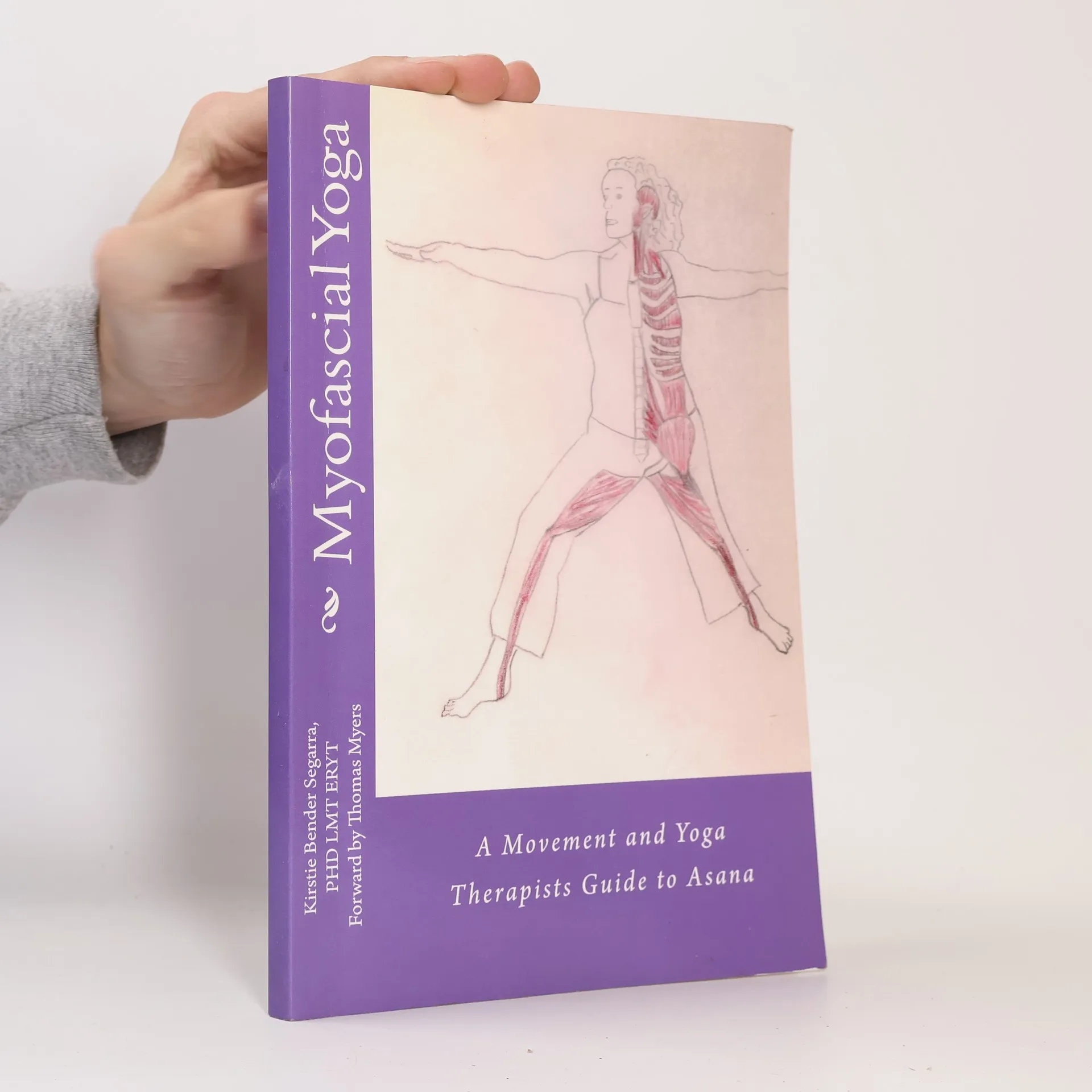
The goal of this guide is to demonstrate how teaching asana should incorporate fascia and connective tissue, making it an essential component of integrating yoga asana into movement therapies in the West. This unique approach merges Eastern and Western techniques, offering an opportunity to explore somatic awareness while transforming patterns that hinder joy and health. The author emphasizes how the asanas connect to the Anatomy Trains, providing a clear and practical framework for understanding and teaching the anatomy of asana in a way that resonates with both the body and the individual. It highlights the harmony between intuition and scientific knowledge, allowing readers to cultivate a deeper understanding of yoga in their own bodies. The illustrations pay homage to the first edition of Anatomy Trains, presented in an artistic style that anatomy enthusiasts will appreciate. The book also features digital representations of myofascial meridians for enhanced clarity. Originally designed as a textbook for the UNM-Taos Yoga Teacher Training Program, it addresses common challenges in teaching yoga asana. However, it is not meant to replace existing anatomy resources or serve as a cueing guide. Instead, it acts as a supportive tool for teaching or practicing yoga and introduces the concept of myofascial meridians.
Zakup książki
Myofascial Yoga, Kirstie Bender Segarra, Thomas Myers
- Język

- Rok wydania
- 2013
- Oprawa
- (miękka)
Metody płatności
Nikt jeszcze nie ocenił.
- Tytuł
- Myofascial Yoga
- Podtytuł
- A Movement and Yoga Therapists Guide to Asana
- Język
- angielski
- Autorzy
- Kirstie Bender Segarra, Thomas Myers
- Rok wydania
- 2013
- Oprawa
- miękka
- Liczba stron
- 126
- ISBN10
- 1484838785
- ISBN13
- 9781484838785
- Seria
- Opis
- The goal of this guide is to demonstrate how teaching asana should incorporate fascia and connective tissue, making it an essential component of integrating yoga asana into movement therapies in the West. This unique approach merges Eastern and Western techniques, offering an opportunity to explore somatic awareness while transforming patterns that hinder joy and health. The author emphasizes how the asanas connect to the Anatomy Trains, providing a clear and practical framework for understanding and teaching the anatomy of asana in a way that resonates with both the body and the individual. It highlights the harmony between intuition and scientific knowledge, allowing readers to cultivate a deeper understanding of yoga in their own bodies. The illustrations pay homage to the first edition of Anatomy Trains, presented in an artistic style that anatomy enthusiasts will appreciate. The book also features digital representations of myofascial meridians for enhanced clarity. Originally designed as a textbook for the UNM-Taos Yoga Teacher Training Program, it addresses common challenges in teaching yoga asana. However, it is not meant to replace existing anatomy resources or serve as a cueing guide. Instead, it acts as a supportive tool for teaching or practicing yoga and introduces the concept of myofascial meridians.