



Więcej o książce
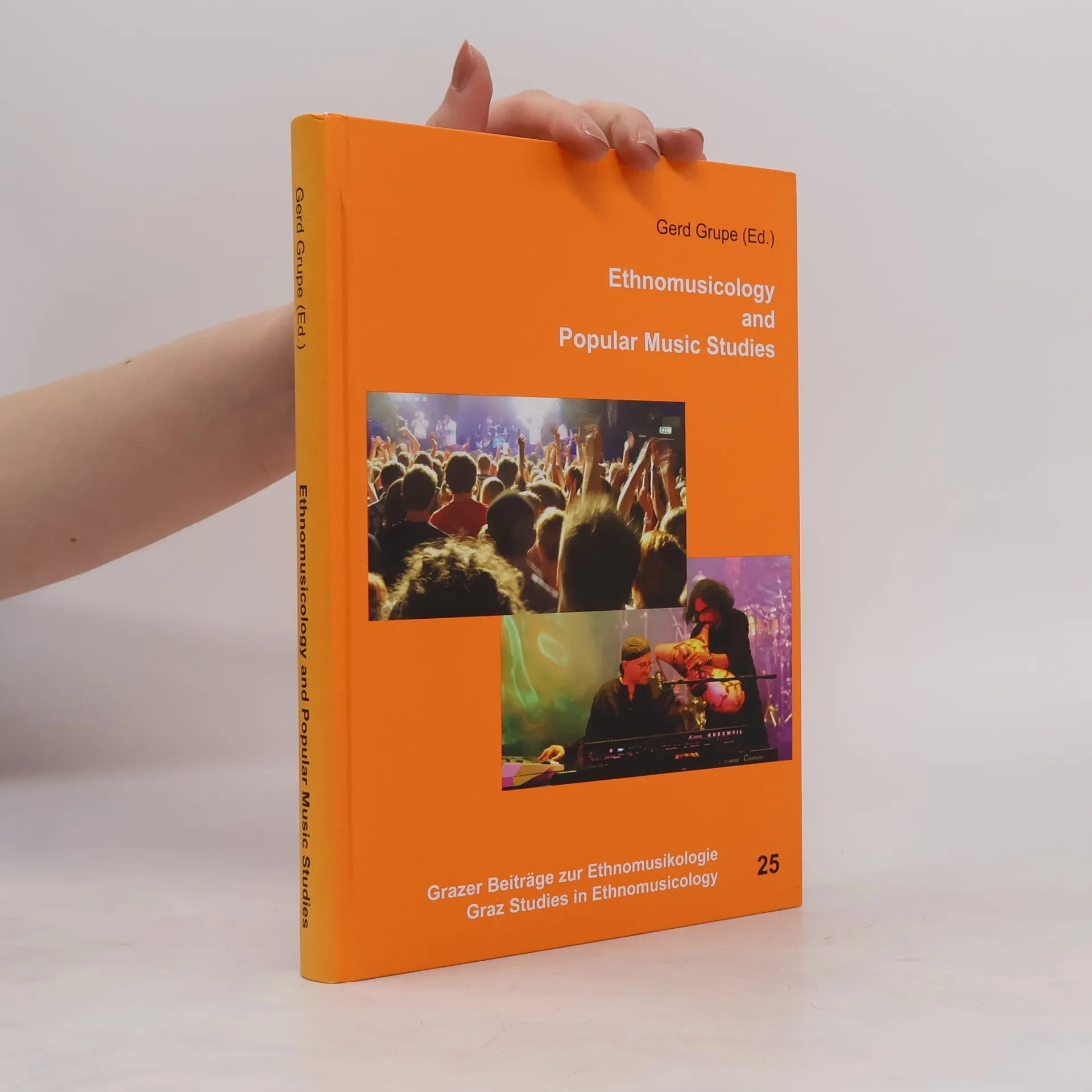
If ethnomusicology is primarily defined by its research methods rather than by focusing on certain conventional objects of study labeled as “traditional” musics, an ethnomusicologically informed investigation of popular musics might yield new insights into phenomena that have so far been approached mainly from other perspectives, such as music sociology or the study of popular culture in general. If the study of popular musics is viewed as legitimate and necessary for contemporary ethnomusicology does it present any specific challenges? Are there substantial differences between Western and non- Western popular musics that would affect research questions and/or methodology? After a general introduction by the editor these issues are addressed in ten contributions. The respective authors draw on their extensive experience with various musical cultures of the world, from which they take their examples to illustrate and discuss more general theoretical questions.
W magazynie mamy łącznie książkiGrazer Beiträge zur Ethnomusikologie / Graz Studies in Ethnomusicology - 25: Ethnomusicology and Popular Music Studies(2013)
Zakup książki
Grazer Beiträge zur Ethnomusikologie / Graz Studies in Ethnomusicology - 25: Ethnomusicology and Popular Music Studies, Gerd Grupe
- Język

- Rok wydania
- 2013
- Oprawa
- (twarda),
- Stan książki
- Bardzo dobry
- Cena
- 33,77 zł
Metody płatności
Nikt jeszcze nie ocenił.
- Tytuł
- Grazer Beiträge zur Ethnomusikologie / Graz Studies in Ethnomusicology - 25: Ethnomusicology and Popular Music Studies
- Język
- angielski
- Autorzy
- Gerd Grupe
- Wydawca
- Shaker
- Rok wydania
- 2013
- Oprawa
- twarda
- Liczba stron
- 293
- ISBN10
- 3844023895
- ISBN13
- 9783844023893
- Seria
- Kategorie
- Opis
- If ethnomusicology is primarily defined by its research methods rather than by focusing on certain conventional objects of study labeled as “traditional” musics, an ethnomusicologically informed investigation of popular musics might yield new insights into phenomena that have so far been approached mainly from other perspectives, such as music sociology or the study of popular culture in general. If the study of popular musics is viewed as legitimate and necessary for contemporary ethnomusicology does it present any specific challenges? Are there substantial differences between Western and non- Western popular musics that would affect research questions and/or methodology? After a general introduction by the editor these issues are addressed in ten contributions. The respective authors draw on their extensive experience with various musical cultures of the world, from which they take their examples to illustrate and discuss more general theoretical questions.