

Więcej o książce
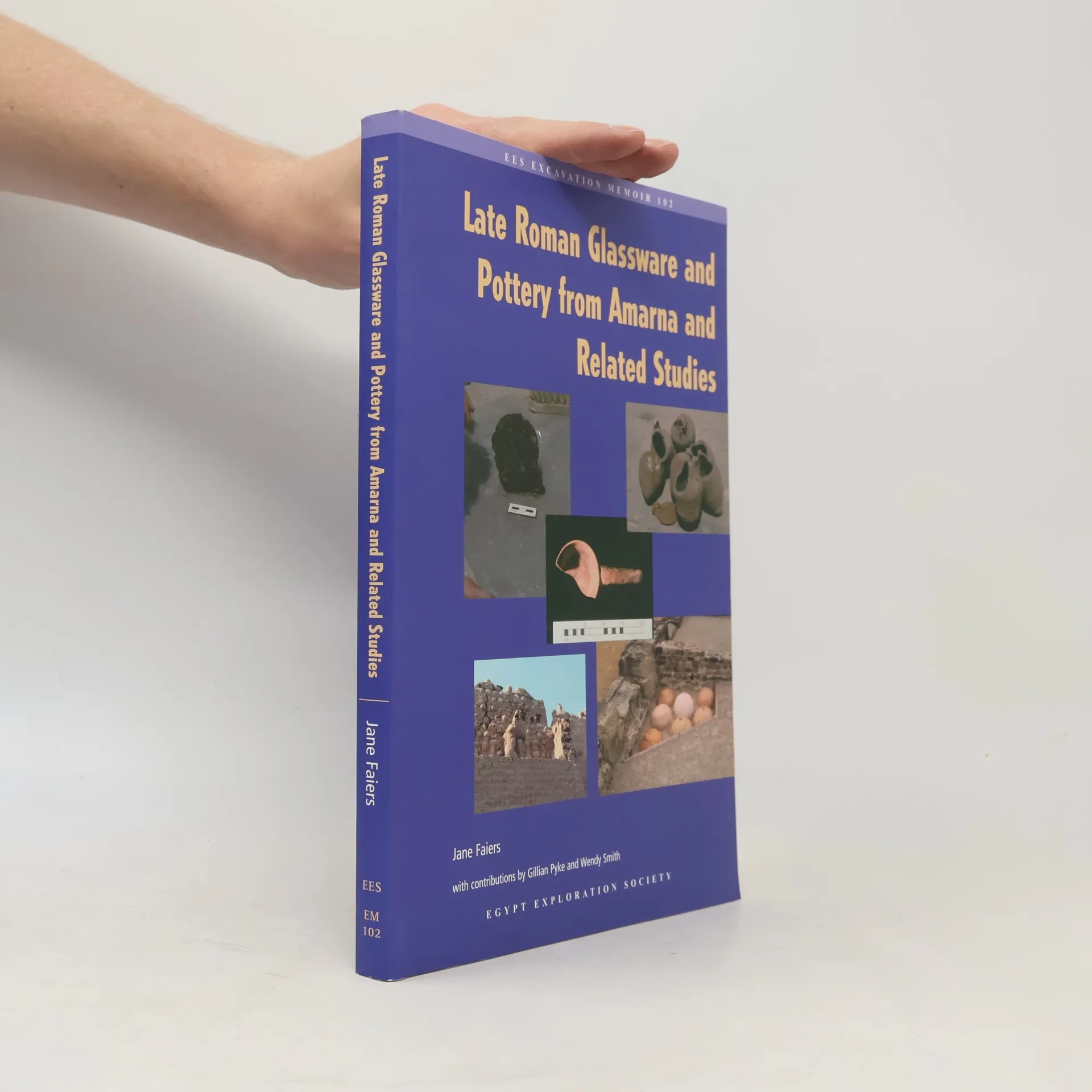
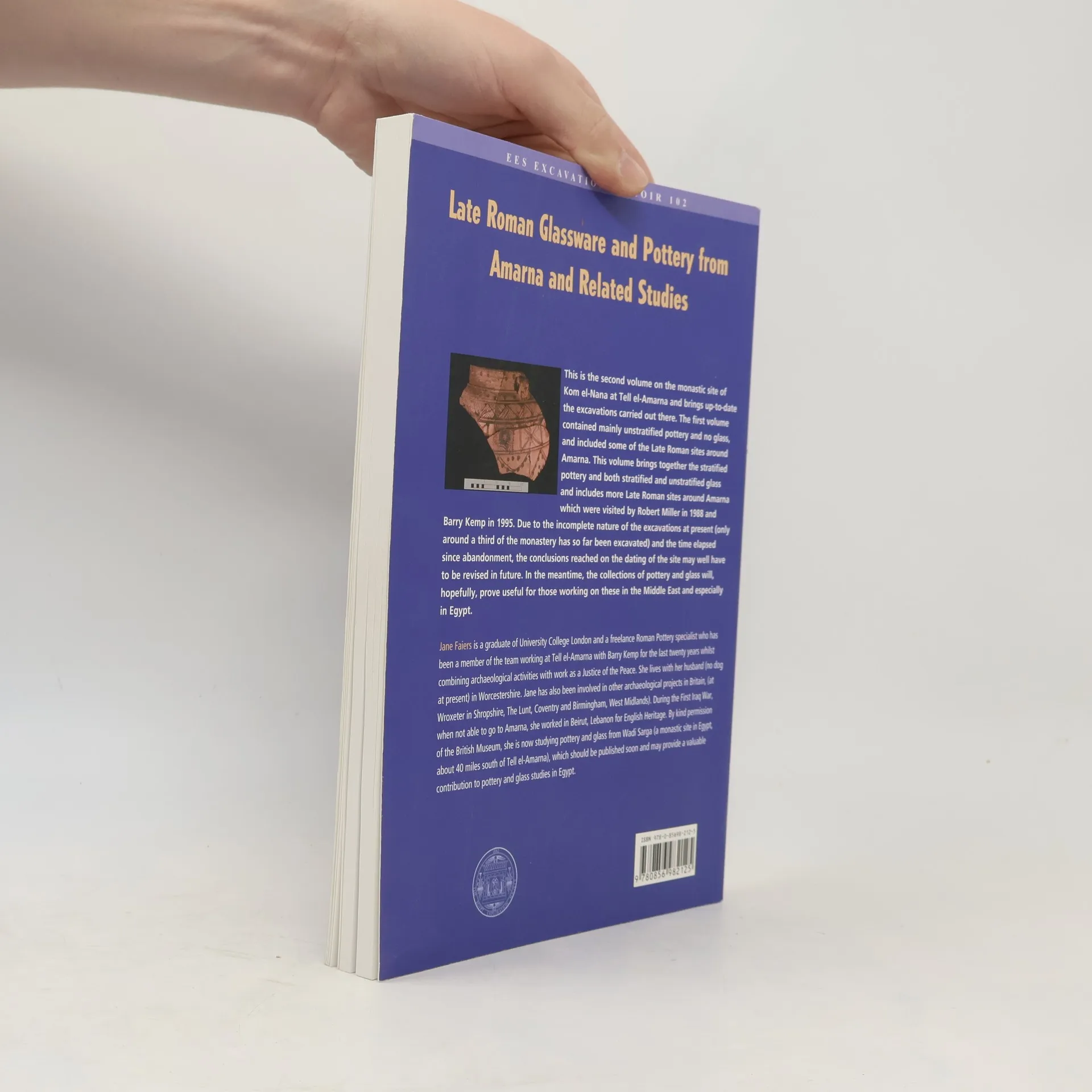
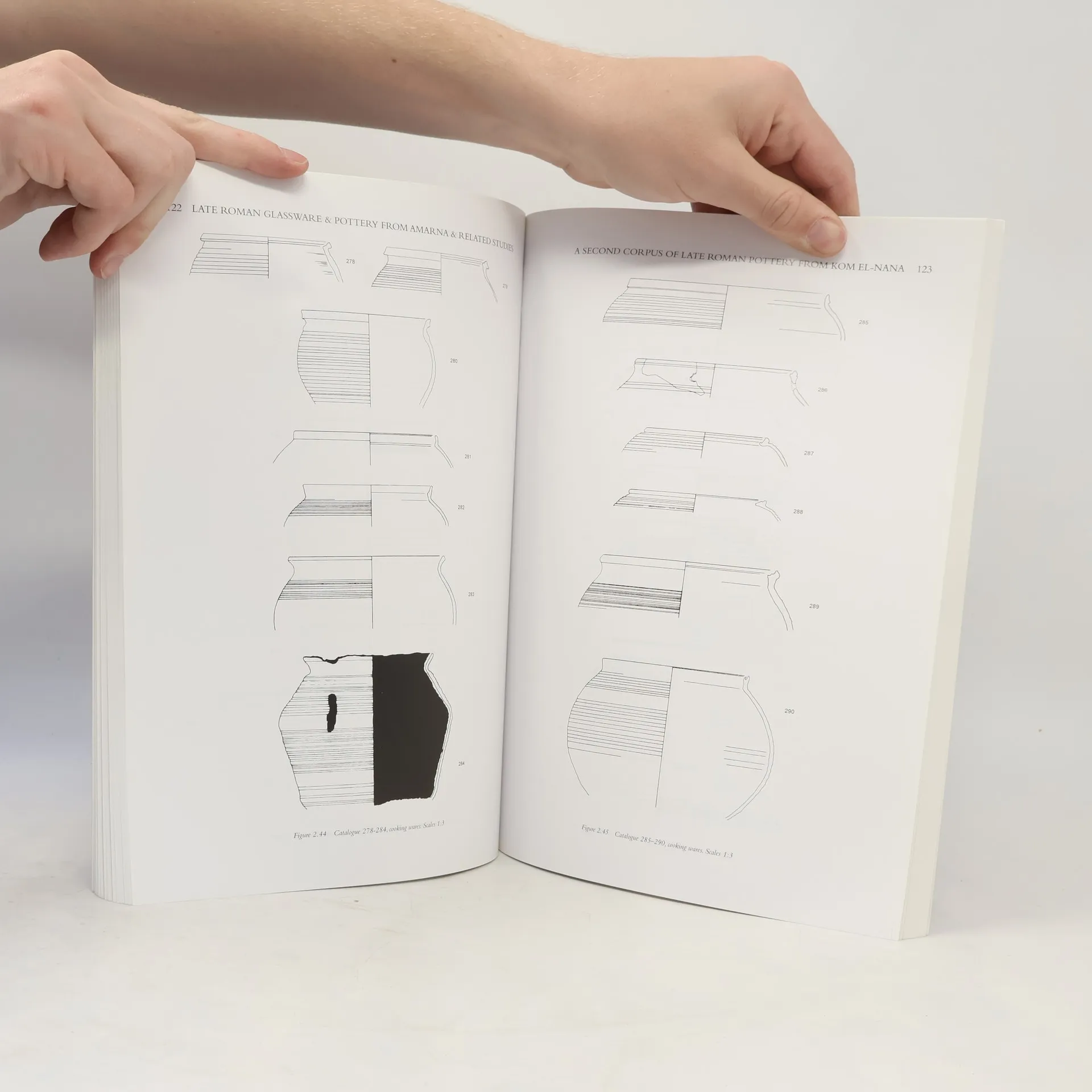
This is the second volume on the monastic site of Kom el-Nana at Tell el-Amarna and brings up-to-date the excavations carried out there. The first volume contained mainly unstratified pottery and no glass, and included some of the Late Roman sites around Amarna. This volume brings together the stratified pottery and both stratified and unstratifued glass and includes more Late Roman sites around Amarna which were visited by Robert Miller in 1988 and Barry Kemp in 1995. Due to the incomplete nature of the excavations at present (only around a third of the monastery has so far been excavated) and the time elapsed since abandonment, the conclusions reached on the dating of the site may well have to be revised in future. In the meantime, the collections of pottery and glass will, hopefully, prove useful for those working in the Middle East and especially in Egypt.
Zakup książki
EES Excavation Memoir - 102: Late Roman Glassware and Pottery from Amarna and Related Studies, Jane Faiers, Gillian Pyke, Wendy Smith
- Język

- Rok wydania
- 2005
- Oprawa
- (miękka)
Metody płatności
Nikt jeszcze nie ocenił.
- Tytuł
- EES Excavation Memoir - 102: Late Roman Glassware and Pottery from Amarna and Related Studies
- Język
- angielski
- Autorzy
- Jane Faiers, Gillian Pyke, Wendy Smith
- Wydawca
- Egypt Exploration Society
- Rok wydania
- 2005
- Oprawa
- miękka
- Liczba stron
- 267
- ISBN10
- 0856982121
- ISBN13
- 9780856982125
- Seria
- Kategorie
- Opis
- This is the second volume on the monastic site of Kom el-Nana at Tell el-Amarna and brings up-to-date the excavations carried out there. The first volume contained mainly unstratified pottery and no glass, and included some of the Late Roman sites around Amarna. This volume brings together the stratified pottery and both stratified and unstratifued glass and includes more Late Roman sites around Amarna which were visited by Robert Miller in 1988 and Barry Kemp in 1995. Due to the incomplete nature of the excavations at present (only around a third of the monastery has so far been excavated) and the time elapsed since abandonment, the conclusions reached on the dating of the site may well have to be revised in future. In the meantime, the collections of pottery and glass will, hopefully, prove useful for those working in the Middle East and especially in Egypt.