

Więcej o książce
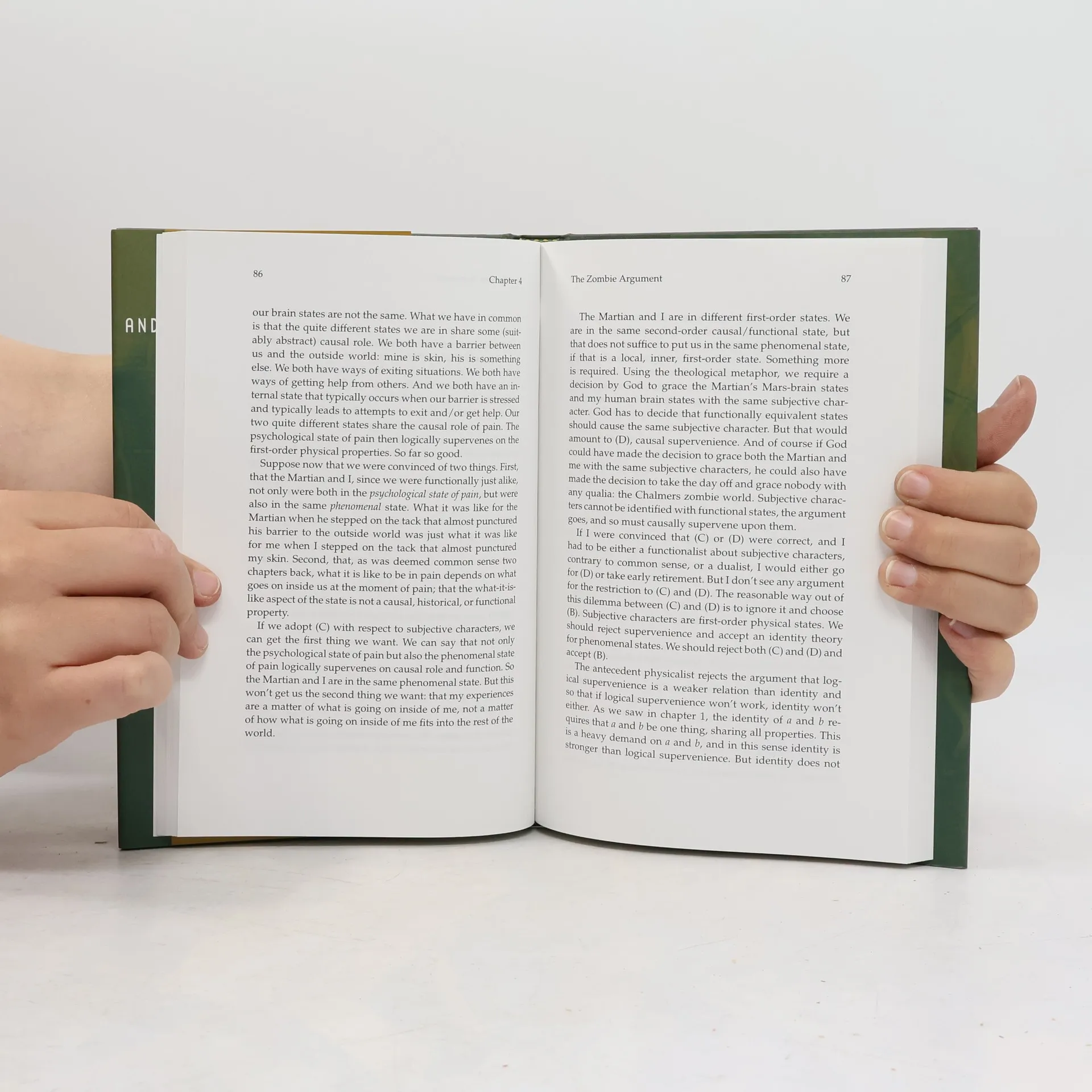
Physicalism is the idea that if everything that goes on in the universe is physical, our consciousness and feelings must also be physical. Ever since Descartes formulated the mind-body problem, a long line of philosophers has found the physicalist view to be preposterous. According to John Perry, the history of the mind-body problem is, in part, the slow victory of physical monism over various forms of dualism. Each new version of dualism claims that surely something more is going on with us than the merely physical. In this book Perry defends a view that he calls antecedent physicalism. He takes on each of three major arguments against physicalism, showing that they pose no threat to antecedent physicalism. These arguments are the zombie argument (that there is a possible world inhabited by beings that are physically indiscernible from us but not conscious), the knowledge argument (that we can know facts about our own feelings that are not just physical facts, thereby proving physicalism false), and the modal argument (that the identity of sensation and brain state is contingent, but since there is no such thing as contingent identity, sensations are not brain states).
Zakup książki
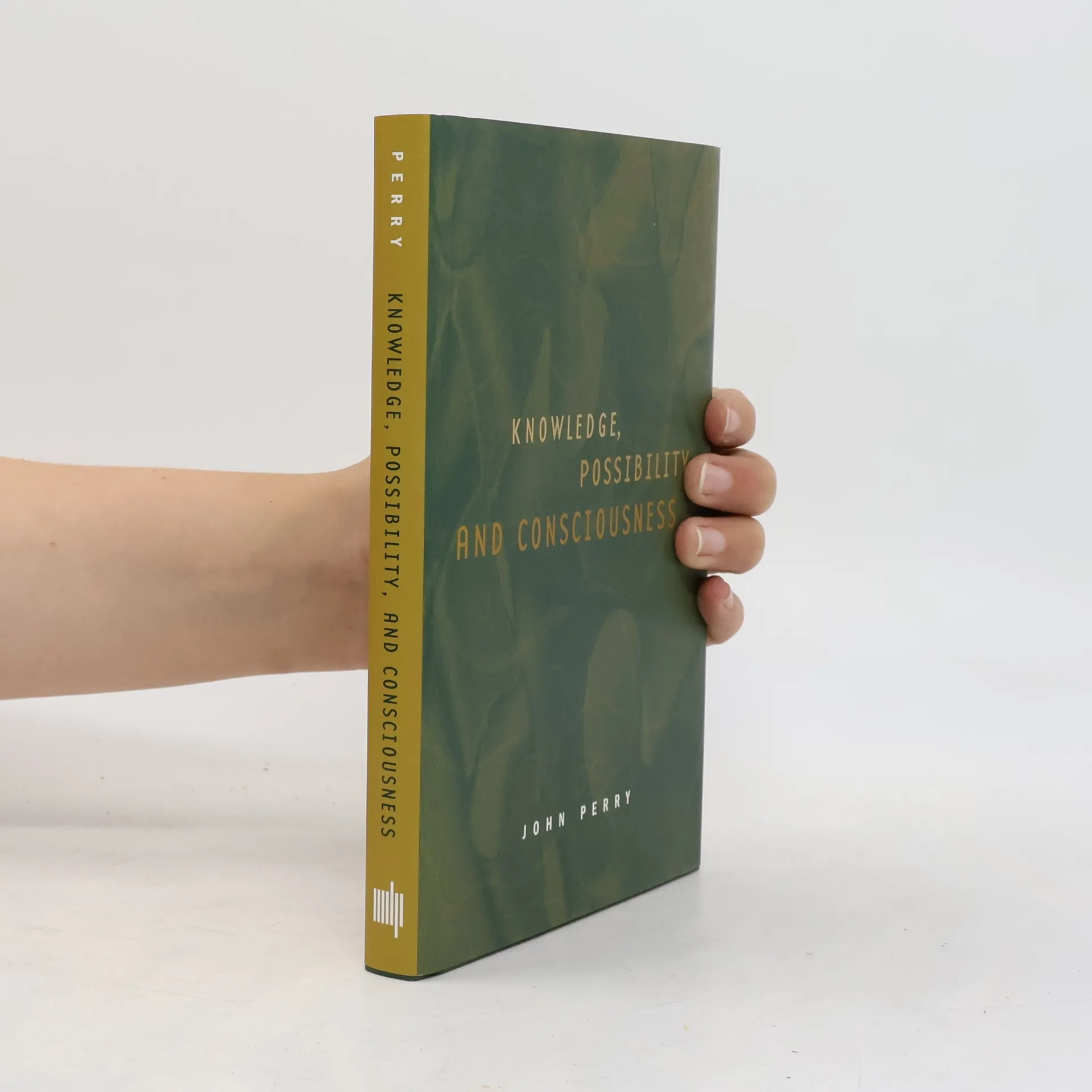
Knowledge, Possibility, and Consciousness, John Perry
- Język

- Rok wydania
- 2001
- Oprawa
- (twarda),
- Stan książki
- Bardzo dobry
- Cena
- 23,06 zł
Metody płatności
Nikt jeszcze nie ocenił.
- Tytuł
- Knowledge, Possibility, and Consciousness
- Podtytuł
- The 1999 Jean Nicod Lectures
- Język
- angielski
- Autorzy
- John Perry
- Wydawca
- MIT Press
- Rok wydania
- 2001
- Oprawa
- twarda
- Liczba stron
- 237
- ISBN10
- 0262161990
- ISBN13
- 9780262161992
- Seria
- Tagi
- Opis
- Physicalism is the idea that if everything that goes on in the universe is physical, our consciousness and feelings must also be physical. Ever since Descartes formulated the mind-body problem, a long line of philosophers has found the physicalist view to be preposterous. According to John Perry, the history of the mind-body problem is, in part, the slow victory of physical monism over various forms of dualism. Each new version of dualism claims that surely something more is going on with us than the merely physical. In this book Perry defends a view that he calls antecedent physicalism. He takes on each of three major arguments against physicalism, showing that they pose no threat to antecedent physicalism. These arguments are the zombie argument (that there is a possible world inhabited by beings that are physically indiscernible from us but not conscious), the knowledge argument (that we can know facts about our own feelings that are not just physical facts, thereby proving physicalism false), and the modal argument (that the identity of sensation and brain state is contingent, but since there is no such thing as contingent identity, sensations are not brain states).