



Więcej o książce
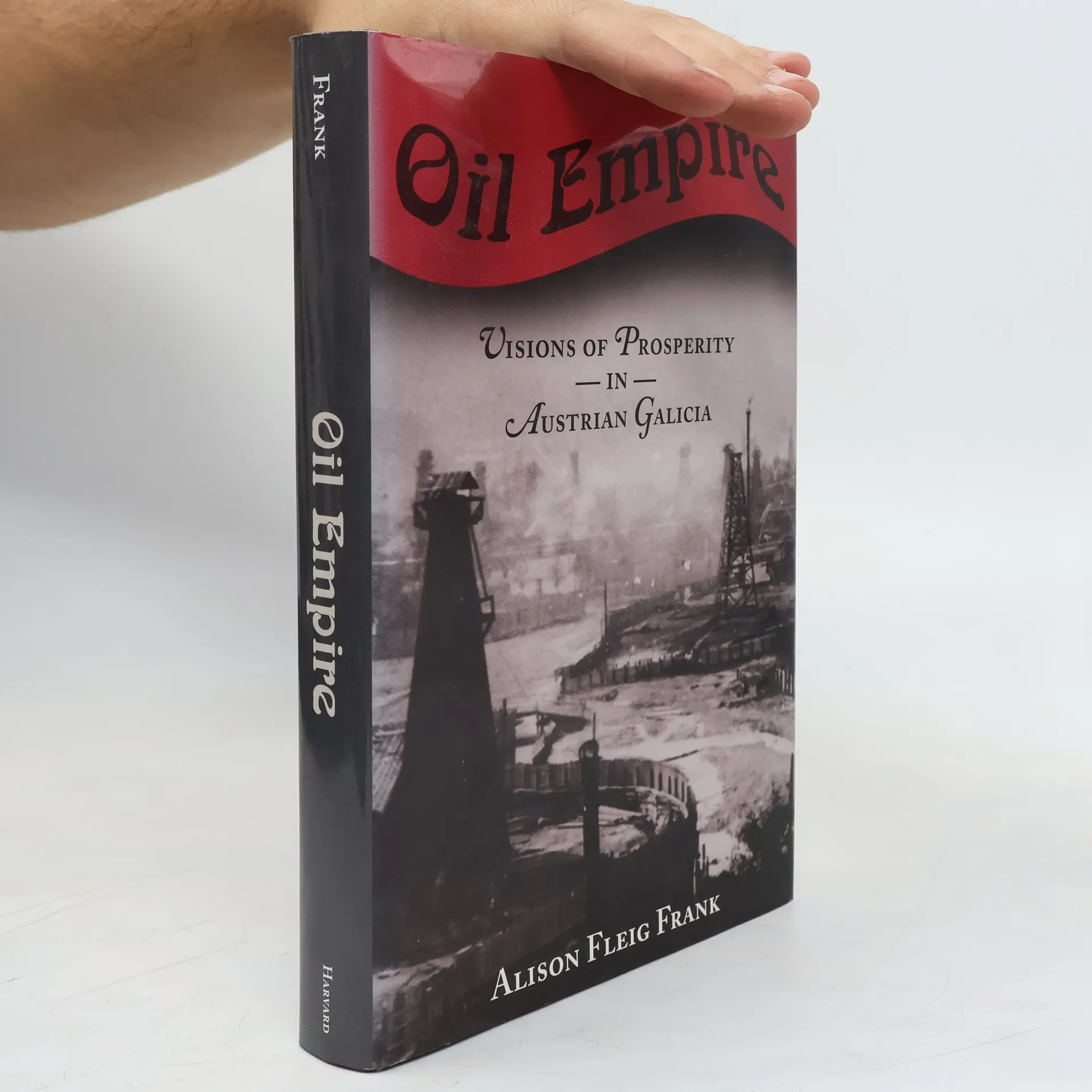
At the beginning of the twentieth century, the Austrian Empire ranked third among the world's oil-producing states (surpassed only by the United States and Russia), and accounted for five percent of global oil production. By 1918, the Central Powers did not have enough oil to maintain a modern military. How and why did the promise of oil fail Galicia (the province producing the oil) and the Empire? In a brilliantly conceived work, Alison Frank traces the interaction of technology, nationalist rhetoric, social tensions, provincial politics, and entrepreneurial vision in shaping the Galician oil industry. She portrays this often overlooked oil boom's transformation of the environment, and its reorientation of religious and social divisions that had defined a previously agrarian population, as surprising alliances among traditional foes sprang up among workers and entrepreneurs, at the workplace, and in the pubs and brothels of new oiltowns. Frank sets this complex story in a context of international finance, technological exchange, and Habsburg history as a sobering counterpoint to traditional modernization narratives. As the oil ran out, the economy, the population, and the environment returned largely to their former state, reminding us that there is nothing ineluctable about the consequences of industrial development.
Zakup książki
Harvard Historical Studies: Oil Empire, Alison Fleig Frank
- Język

- Rok wydania
- 2005
- Oprawa
- (twarda)
Metody płatności
Nikt jeszcze nie ocenił.
- Tytuł
- Harvard Historical Studies: Oil Empire
- Podtytuł
- Visions of Prosperity in Austrian Galicia
- Język
- angielski
- Autorzy
- Alison Fleig Frank
- Wydawca
- Harvard University Press
- Rok wydania
- 2005
- Oprawa
- twarda
- Liczba stron
- 366
- ISBN10
- 0674018877
- ISBN13
- 9780674018877
- Seria
- Tagi
- Tematy historyczne, Polska, Austro-Węgry, Ropa
- Opis
- At the beginning of the twentieth century, the Austrian Empire ranked third among the world's oil-producing states (surpassed only by the United States and Russia), and accounted for five percent of global oil production. By 1918, the Central Powers did not have enough oil to maintain a modern military. How and why did the promise of oil fail Galicia (the province producing the oil) and the Empire? In a brilliantly conceived work, Alison Frank traces the interaction of technology, nationalist rhetoric, social tensions, provincial politics, and entrepreneurial vision in shaping the Galician oil industry. She portrays this often overlooked oil boom's transformation of the environment, and its reorientation of religious and social divisions that had defined a previously agrarian population, as surprising alliances among traditional foes sprang up among workers and entrepreneurs, at the workplace, and in the pubs and brothels of new oiltowns. Frank sets this complex story in a context of international finance, technological exchange, and Habsburg history as a sobering counterpoint to traditional modernization narratives. As the oil ran out, the economy, the population, and the environment returned largely to their former state, reminding us that there is nothing ineluctable about the consequences of industrial development.