

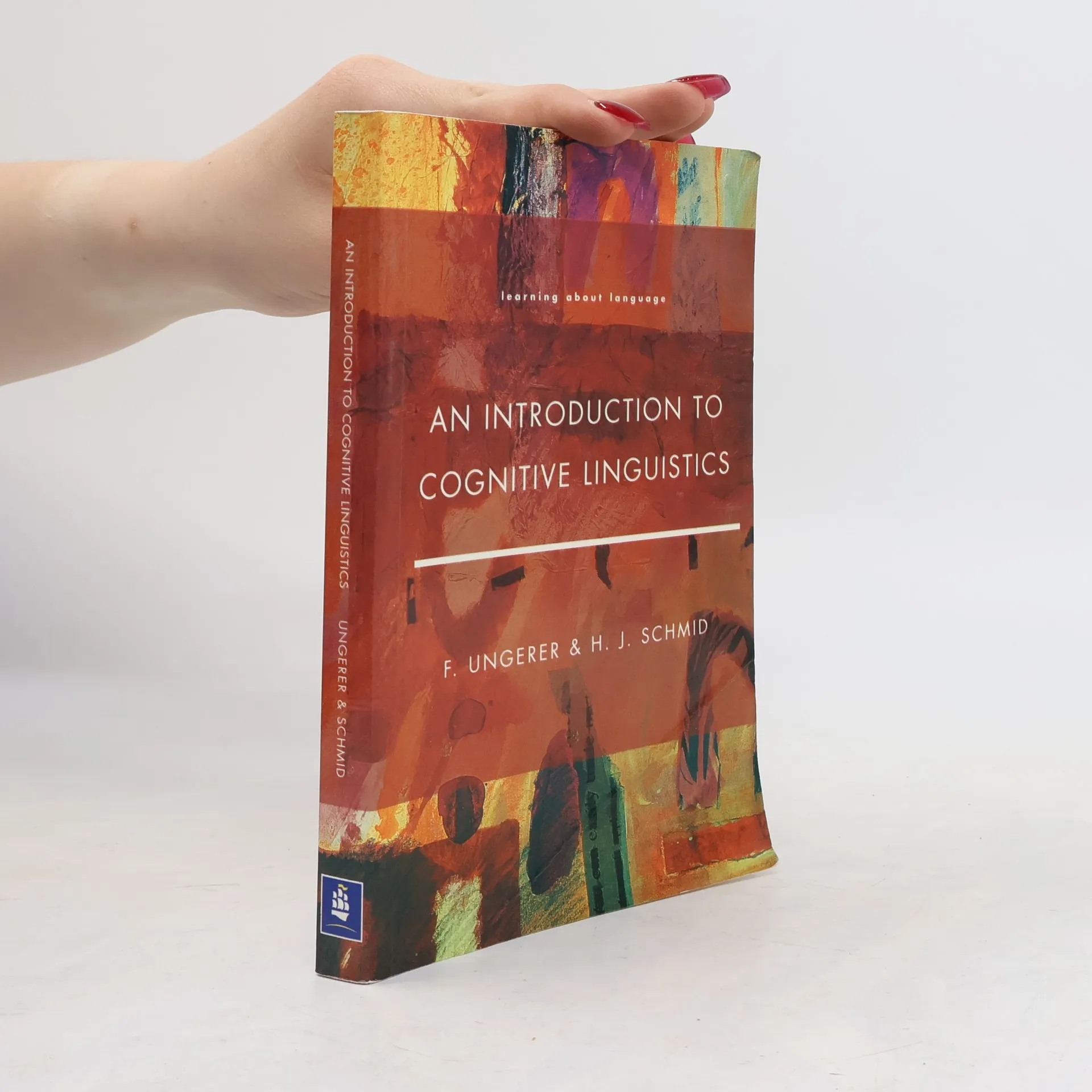


Więcej o książce
Learning About Language is an exciting and ambitious series of introductions to fundamental topics in language, linguistics and related areas. The books are designed for students of linguistics and those who are studying language as part of a wider course. Cognitive Linguistics explores the idea that language reflects our experience of the world. It shows that our ability to use language is closely related to other cognitive abilities such as categorization, perception, memory and attention allocation. Concepts and mental images expressed and evoked by linguistic means are linked by conceptual metaphors and metonymies and merged into more comprehensive cognitive and cultural models, frames or scenarios. It is only against this background that human communication makes sense. After 25 years of intensive research, cognitive-linguistic thinking now holds a firm place both in the wider linguistic and the cognitive-science communities.
Zakup książki
An Introduction to Cognitive Linguistics, Friedrich Ungerer, Hans-Jörg Schmid
- Język

- Rok wydania
- 1996
- Oprawa
- (miękka)
Metody płatności
Nikt jeszcze nie ocenił.
- Tytuł
- An Introduction to Cognitive Linguistics
- Język
- angielski
- Autorzy
- Friedrich Ungerer, Hans-Jörg Schmid
- Wydawca
- Addison-Wesley Pub
- Rok wydania
- 1996
- Oprawa
- miękka
- Liczba stron
- 352
- ISBN10
- 0582239664
- ISBN13
- 9780582239661
- Seria
- Kategorie
- Tagi
- Lingwistyka
- Opis
- Learning About Language is an exciting and ambitious series of introductions to fundamental topics in language, linguistics and related areas. The books are designed for students of linguistics and those who are studying language as part of a wider course. Cognitive Linguistics explores the idea that language reflects our experience of the world. It shows that our ability to use language is closely related to other cognitive abilities such as categorization, perception, memory and attention allocation. Concepts and mental images expressed and evoked by linguistic means are linked by conceptual metaphors and metonymies and merged into more comprehensive cognitive and cultural models, frames or scenarios. It is only against this background that human communication makes sense. After 25 years of intensive research, cognitive-linguistic thinking now holds a firm place both in the wider linguistic and the cognitive-science communities.